

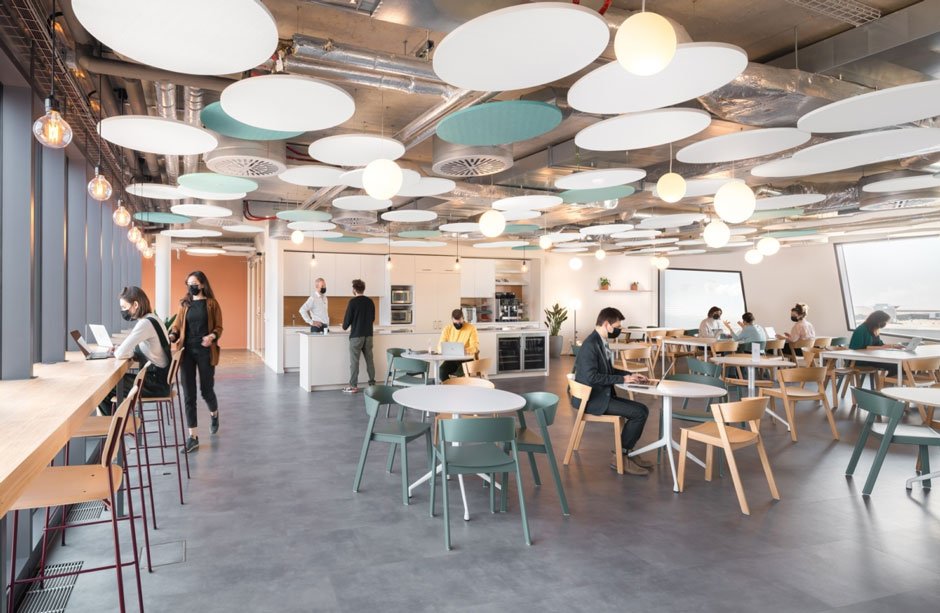
Designing Business Spaces That Boost Engagement and Operational Flow
Business spaces influence how people think, move, and interact. Every layout choice shapes the quality of customer experiences and the speed of internal work. When spaces support clear navigation, purposeful movement, and predictable routines, businesses improve engagement and reduce friction across daily operations. Layout becomes a strategic tool for stronger performance when each zone, pathway, and fixture supports the goals of the organization.
Understanding how layout affects business engagement
Engagement rises when customers understand where to go, how to move, and what each area offers. A structured environment removes confusion, encourages exploration, and builds comfort. People respond well to spaces with logical pathways, visible focal points, and clear lines of sight. They stay longer and interact more when movement feels natural instead of forced.
Employees experience similar benefits. Efficient layouts reduce stress, eliminate wasted steps, and support faster decision-making. When essential items sit within reach and work zones follow a logical pattern, teams maintain focus with fewer interruptions. Engagement from both groups grows when the environment supports clarity, comfort, and consistent direction.
Identifying layout challenges and operational bottlenecks
Businesses often struggle with cramped walkways, hidden service points, poorly placed equipment, or seating areas that block movement. These issues slow down work, distract customers, and weaken the flow of each day. Bottlenecks appear when people pause to ask for directions, move around obstacles, or wait in crowded areas.
Owners and managers improve outcomes by observing traffic patterns across busy periods. Footfall mapping, basic time studies, and staff feedback reveal where delays begin. Once problem zones become visible, strong solutions follow. The goal is not to create more space but to use existing space with greater precision.
Designing zones that support purpose and flow
Purposeful zoning strengthens engagement and improves productivity. Service counters, consultation areas, seating zones, storage rooms, and display sections work best when boundaries remain clear. Each zone should guide people through a logical sequence. When activities stay aligned to their intended areas, noise decreases, distractions fade, and customer interactions improve.
Lighting and visibility help people understand direction without spoken guidance. Signage strengthens clarity when placed at natural decision points. A layout with distinct zones also supports fairness and order by reducing crowding and keeping high-value areas free of disruptions. When zones follow a thoughtful structure, businesses encourage confident movement and smooth workflow.
Improving movement patterns through strategic space planning
Movement depends on how entries, aisles, fixtures, and furniture shape each path. Wide walkways allow customers and employees to pass without conflict. Straight lines and clear views help visitors understand where to go even during busy periods. Strategic spacing prevents clusters of people from forming near doors, registers, or seating areas.
Equipment placement influences momentum. Items that are used frequently should be placed in accessible locations, while less important items should be stored in secondary positions. Reducing backtracking strengthens operational flow and reduces the time needed for simple tasks. Businesses planning structural changes benefit from understanding construction regulations, which support safe and compliant upgrades. When movement aligns with the purpose of each area, the environment promotes efficiency with minimal strain.
Enhancing durability and safety with high-quality fixtures
Daily business activity places pressure on fixtures, doors, surfaces, and storage systems. Durable materials support safety, protect long-term budgets, and present a professional image. Wide usage areas require equipment built to withstand repeated contact without wearing out quickly. Strong materials reduce maintenance delays and limit disruptions that interrupt work.
Well-designed restroom areas illustrate this principle clearly. Durable options such as powder coated restroom partitions support privacy, hygiene, and visual consistency. High-quality partitions resist moisture, scratches, and long-term wear, which keeps facilities reliable and presentable. Customers notice when a business invests in materials that improve safety and reflect strong organizational standards.
Using design to support brand experience and customer trust
A well-organized environment communicates discipline, professionalism, and care. Customers trust businesses that show clear attention to detail from the moment they enter the space. Colors, textures, furniture, and layouts influence mood and behavior. When these elements remain consistent with brand identity, the entire environment reinforces the message the business wants to deliver.
A structured layout also supports emotional comfort. People appreciate predictable navigation and visible points of assistance. When customers feel at ease, they ask more questions, explore more products, and engage with staff without hesitation. Design shapes behavior long before a conversation begins, so a strong layout becomes a silent partner in every interaction.
Monitoring and updating layout performance
Business needs shift over time, so layout decisions require periodic review. Customer behavior changes during different seasons, staffing levels change, and new services introduce new movement patterns. Regular evaluation keeps the environment aligned with current goals instead of outdated assumptions.
Managers gather helpful insights through staff observations and customer feedback. Reviewing crowd points, aisle conditions, and fixture performance reveals where updates support stronger results. Small adjustments, such as repositioning seating or adjusting product displays, often produce immediate improvements. Larger updates follow longer-term analysis. Continuous attention ensures the layout evolves with the organization instead of falling behind.
Conclusion
Business success grows when spaces support ease, confidence, and consistent movement. A layout with clear zones, thoughtful pathways, and durable materials strengthens engagement for customers and employees. Structured environments reduce friction, improve speed, and build trust long before any service begins. When businesses treat layout as a strategic priority instead of a one-time setup task, they create spaces that adapt, support stronger performance, and reinforce long-term goals.