

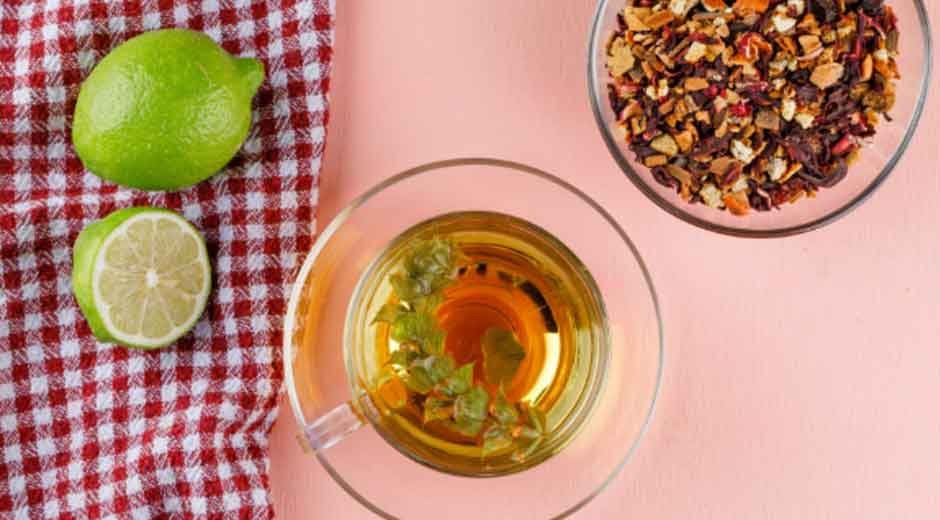
Best Caribbean Tea Flavors You Must Try
The Caribbean is widely celebrated for its beaches, music, and cuisine, but one of its most underrated treasures is tea. Across the islands, tea is not simply a beverage—it is a ritual tied to healing, family traditions, and the natural abundance of the tropics. From herbal infusions made with freshly picked leaves to carefully crafted blends enjoyed in the evening breeze, Caribbean tea flavors offer a sensory journey unlike any other. Rooted in indigenous knowledge, African heritage, and European influence, these teas reflect the region’s history while embracing modern tastes and wellness trends.
Lemongrass Tea: A Caribbean Classic
Lemongrass tea is one of the most widely consumed teas across the Caribbean. Known locally by different names depending on the island, it is prized for its light citrus aroma and refreshing flavor. Lemongrass grows easily in tropical climates, making it a staple in home gardens. Traditionally, the leaves are cut fresh, lightly crushed, and steeped to release their oils.
This tea is commonly enjoyed in the evening, often believed to promote relaxation and better sleep. Its clean, lemony taste pairs well with a touch of honey or ginger, but many locals prefer it plain. Lemongrass tea perfectly captures the simplicity of Caribbean tea culture—fresh ingredients, minimal processing, and a deep connection to nature.
Ginger Tea: Warmth and Tradition
Ginger tea is another cornerstone of Caribbean households. Strong, spicy, and comforting, it is often prepared using freshly grated ginger root rather than dried powder. This method produces a bold infusion that warms the body and awakens the senses.
Across the islands, ginger tea is associated with digestive comfort and immune support, making it a popular choice during cooler evenings or rainy days. Some variations include cinnamon sticks or cloves, creating a deeper, more aromatic profile. Ginger tea also bridges the gap between everyday home remedies and the refined blends often featured in Caribbean gourmet collections.
Soursop Leaf Tea: Earthy and Unique
Soursop, known for its distinctive fruit, also offers leaves that are widely used for tea. Soursop leaf tea has an earthy, slightly bitter taste that sets it apart from sweeter herbal infusions. While not typically consumed for flavor alone, it is deeply embedded in Caribbean herbal traditions.
Prepared by gently boiling the leaves and allowing them to steep, this tea is often enjoyed without sweeteners. Its bold character reflects the more medicinal side of Caribbean tea culture, where taste is secondary to tradition and purpose. Today, soursop leaf tea is gaining attention among tea enthusiasts looking for unique, authentic island flavors.
Puerto Rican Tea Traditions
Puerto Rican tea culture stands out for its blend of herbal remedies and European-style tea appreciation. Puerto Rican tea often features locally grown herbs such as anise, mint, basil, and bay leaf, combined in ways passed down through generations. These teas are commonly prepared at home and shared among family members, especially during moments of rest or conversation.
One popular example includes anise tea, valued for its mild sweetness and soothing qualities. Mint-based infusions are also widely enjoyed, particularly in warmer months. What defines Puerto Rican tea is its balance—gentle flavors, comforting aromas, and a sense of familiarity that turns each cup into a moment of calm. While modern cafés now offer curated blends, the heart of Puerto Rican tea culture remains firmly rooted in tradition.
Hibiscus Tea: Vibrant and Refreshing
Hibiscus tea, often known as sorrel in parts of the Caribbean, is one of the most visually striking teas in the region. Its deep red color and tangy flavor make it instantly recognizable. Brewed from dried hibiscus petals, this tea can be enjoyed hot or cold, depending on the season.
The flavor is tart and cranberry-like, often sweetened with sugar or spiced with ginger and cloves. Hibiscus tea is especially popular during holidays and celebrations, served as a festive drink that brings people together. Its bold taste and vibrant appearance have made it a favorite in both traditional settings and modern Caribbean gourmet tea collections.
Cinnamon and Spice Infusions
Spices play a central role in Caribbean cuisine, and tea is no exception. Cinnamon tea, sometimes blended with nutmeg, star anise, or allspice, offers a warm and comforting experience. These infusions are particularly popular in the evenings or during cooler weather, even in tropical climates.
Cinnamon sticks are typically simmered slowly, allowing their natural sweetness to infuse the water. The result is a smooth, aromatic tea that feels both indulgent and grounding. Spice-based teas reflect the Caribbean’s historical role in the global spice trade and its lasting influence on local flavors.
Mint Tea: Fresh and Cooling
Mint tea is widely enjoyed across the Caribbean, especially after meals. Fresh mint leaves are often steeped lightly to preserve their cooling qualities and natural sweetness. The flavor is clean, bright, and refreshing, making it ideal for warm afternoons.
In some islands, mint is combined with lemongrass or basil to create layered herbal blends. These teas are often served without milk, allowing the freshness of the herbs to shine. Mint tea’s versatility has made it a staple in both home kitchens and upscale Caribbean gourmet tea menus.
Cocoa Tea: A Caribbean Comfort
Cocoa tea is a unique Caribbean creation that blurs the line between tea and hot chocolate. Made from grated cocoa sticks derived from fermented and dried cacao beans, this beverage is rich, aromatic, and deeply comforting. Spices such as cinnamon, nutmeg, and bay leaf are often added during preparation.
Unlike conventional chocolate drinks, cocoa tea has a more complex, less sweet profile. It is traditionally enjoyed in the morning and is closely associated with Caribbean identity and heritage. Cocoa tea stands as a reminder that Caribbean tea culture extends beyond herbs, embracing local agricultural products in creative ways.
Modern Caribbean Gourmet Tea Blends
As interest in artisanal and specialty teas grows globally, Caribbean gourmet producers are reimagining traditional flavors for modern audiences. These blends often combine classic herbs like lemongrass or hibiscus with unexpected ingredients such as dried tropical fruits, vanilla, or floral notes.
Packaged beautifully and crafted with care, Caribbean gourmet teas offer a refined introduction to island flavors while preserving their authenticity. They are increasingly found in specialty shops and resorts, allowing visitors to take a piece of the Caribbean home with them. These modern blends demonstrate how traditional tea culture continues to evolve without losing its roots.
Why Caribbean Tea Is Worth Exploring
Caribbean tea flavors stand out for their freshness, diversity, and cultural depth. Each cup tells a story—of gardens tended by hand, recipes shared across generations, and moments of connection around a simple pot of tea. Unlike heavily processed commercial teas, many Caribbean infusions rely on whole leaves, roots, and spices, resulting in bold yet natural flavors.
Whether you are drawn to the soothing simplicity of lemongrass, the warmth of ginger, or the distinctive character of Puerto Rican tea traditions, exploring Caribbean teas is an invitation to slow down and savor something genuine. From humble home brews to refined Caribbean gourmet blends, these teas offer an authentic taste of island life that goes far beyond the cup.