

Urban Flooding 101: How Cities Cope with Flash Floods
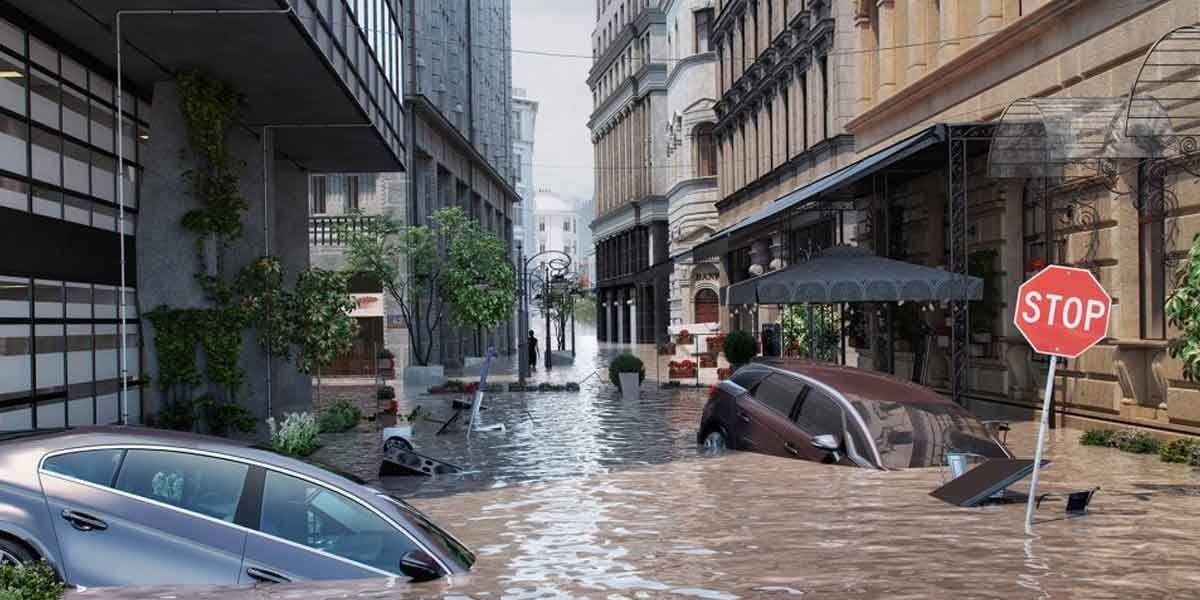
Concrete jungles are designed for efficiency, commerce, and high-density living, but they often struggle when nature unleashes a sudden downpour. As cities grow, the natural landscape gets replaced by pavement, buildings, and roads. This transformation significantly alters how water flows through an area. When heavy rains hit, the water has nowhere to go, turning bustling streets into rushing rivers in a matter of minutes.
Understanding why this happens and how municipalities manage the chaos is crucial for residents living in these zones. It is not just about getting wet feet; it is about infrastructure resilience and community safety.
Why Cities Are Vulnerable to Flash Floods
The primary culprit behind urban flooding is the abundance of impermeable surfaces. In a forest or a field, soil absorbs rainwater like a sponge. In a city, asphalt and concrete act as barriers. Rain hits the ground and immediately runs off, searching for the lowest point. Storm drains are designed to catch this runoff, but they have capacity limits. During intense storms, the volume of water can overwhelm the drainage system almost instantly.
Climate patterns also play a significant role. Many regions are experiencing more intense, concentrated storms rather than long, gentle showers. These “cloud bursts” drop massive amounts of water in a short window, outpacing the engineering standards of older drainage systems.
The Impact on Infrastructure and Daily Life
When the drains back up, the consequences ripple through the entire city. Transportation networks are usually the first casualty. Underpasses fill with water, stalling cars and blocking emergency routes. Public transit systems, especially subways and light rails, can face severe disruptions.
Beyond traffic jams, the water threatens the structural integrity of buildings. Basements flood, foundations crack, and electrical systems short out. The economic toll is often staggering, costing millions in repairs and lost business revenue.
Health risks also emerge during these events. Floodwaters in urban areas often mix with sewage, chemicals, and trash. Walking through this water exposes people to bacteria and hazardous substances.
Engineering Solutions and Flood Mitigation
City planners and engineers continually refine their strategies to combat these sudden deluges. Traditional “gray infrastructure” involves pipes, pumps, and concrete channels. While necessary, cities are now complementing these with “green infrastructure.”
Green roofs are becoming popular in dense downtown areas. By planting vegetation on rooftops, buildings can absorb a significant portion of rainfall before it ever hits the street. Permeable pavement is another innovation, allowing water to seep through parking lots and sidewalks into the ground below, reducing surface runoff.
Retention ponds and underground storage tanks act as temporary holding cells for excess water. These structures capture the surge during the peak of the storm and release it slowly back into the system once the rain subsides.
The Role of Maintenance and Preparedness
Even the best-designed systems fail without proper maintenance. Cities must aggressively clean storm drains to prevent leaves and debris from blocking the flow. Residents play a part here, too, by keeping curbs and gutters clear of trash.
Municipalities also rely on advanced warning systems. Meteorologists and city officials work together to issue alerts, giving residents precious time to move vehicles to higher ground or install flood barriers.
Recovery and Restoration Challenges
Once the water recedes, the focus shifts to cleanup. Speed is essential to prevent mold growth and structural decay. Professional teams often have to deploy industrial-grade pumps and dehumidifiers to dry out affected buildings. This process is complex because water can seep into drywall and insulation, hiding damage that isn’t immediately visible.
Homeowners and business owners must act quickly to salvage property. Insurance documentation is a critical first step, followed by the removal of wet materials. In areas prone to sudden storms, local experts are vital. For instance, dealing with water damage in Salt Lake City requires knowledge of the local climate, where dry air can speed up evaporation but sudden temperature drops can complicate the drying process.
Building a Resilient Future
Cities are learning that they cannot simply pave over nature without consequences. The shift toward “sponge cities“—urban areas designed to absorb and reuse rainwater—marks a positive turning point. By integrating parks, wetlands, and smarter building materials, urban centers are becoming more resilient.
Adapting to flash floods is an ongoing challenge, but innovation is leading the way. Through better engineering, community awareness, and proactive maintenance, cities can weather the storm and keep their residents safe.