

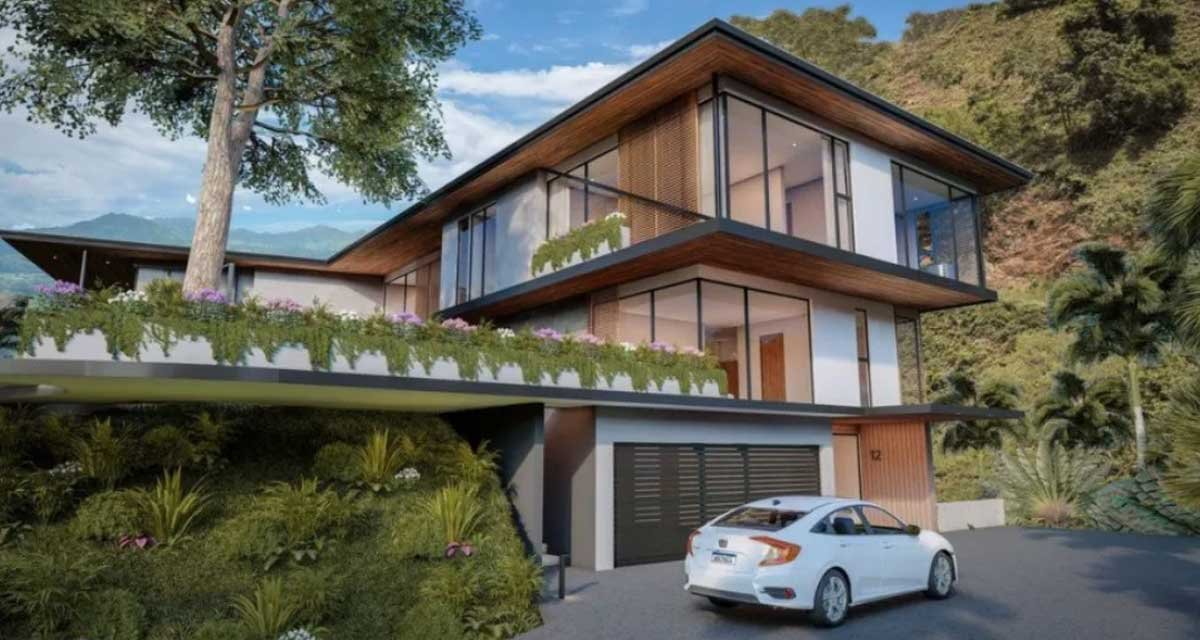
The Rise of Sustainable Living in Costa Rica and How it Impacts Property Investment
Costa Rica has long been known for its stunning landscapes, rich biodiversity, and commitment to environmental preservation. In recent years, however, it has gained a reputation as one of the most progressive countries in terms of sustainable living. From eco-conscious tourism to green building practices, Costa Rica is embracing sustainability in a way that not only benefits the environment but also has a profound impact on the property market. As more people and businesses turn to eco-friendly alternatives, the demand for sustainable real estate is rapidly growing, making it an exciting time for property investors.
Costa Rica’s Commitment to Sustainability
Costa Rica’s commitment to sustainability is not just a trend; it is embedded in the country’s values. The government has set ambitious goals to become carbon neutral by 2050, positioning itself as a global leader in environmental protection. This commitment is reflected in policies and incentives designed to encourage businesses and individuals to reduce their carbon footprints.
The country’s efforts have led to significant advancements in clean energy. As of 2020, Costa Rica generated over 98% of its electricity from renewable sources, primarily hydroelectric, wind, and solar energy. This commitment to renewable energy sources has made Costa Rica an attractive destination for environmentally conscious investors, as it offers not only a beautiful place to live but also an opportunity to invest in sustainable ventures.
Eco-Friendly Architecture and Green Homes
One of the most visible manifestations of Costa Rica’s dedication to sustainability is the rise of eco-friendly architecture. In both urban and rural areas, architects and developers are increasingly prioritizing green building practices. From passive solar design to energy-efficient appliances, green homes in Costa Rica are designed to reduce energy consumption while maximizing comfort and aesthetic appeal.
Eco-friendly homes often feature materials that are locally sourced, reducing the carbon footprint associated with transportation. Additionally, many homes are equipped with rainwater harvesting systems, which help reduce water usage, an important consideration in areas where water conservation is critical. Solar panels are also becoming a common feature, as homeowners seek ways to reduce their reliance on the grid and lower their utility bills.
The Impact on the Property Market
The shift toward sustainability is having a significant impact on the property market in Costa Rica. As more buyers and renters prioritize eco-friendly living, there is a growing demand for properties that offer energy-efficient features and sustainable design. This trend is particularly evident in areas that attract expats and foreign investors, such as the Central Valley, Guanacaste, and the Nicoya Peninsula.
Properties that feature green building certifications, such as LEED (Leadership in Energy and Environmental Design), are becoming increasingly popular. These certifications indicate that a property has met high standards for energy efficiency, water conservation, and indoor environmental quality. As a result, buyers are willing to pay a premium for properties that meet these standards, and developers are keen to incorporate sustainable features into their projects.
The Role of Technology in Sustainable Living
In addition to eco-friendly building practices, technology is playing a crucial role in making sustainable living more accessible and efficient. One of the most important technological advancements in recent years is the development of electric vehicles (EVs). As more people around the world adopt electric cars, the demand for EV charging stations is growing. In Costa Rica, this demand is being met with the installation of EV charging solutions across various sectors, from residential complexes to commercial properties.
These solutions, which can include everything from smart charging stations to app-powered access, make it easier for residents, businesses, and visitors to charge their electric vehicles. Property owners can benefit from enhanced control over their charging infrastructure, gaining revenue visibility while offering a seamless and convenient experience for EV drivers. As more properties incorporate these solutions, the transition to sustainable, electric-powered transportation becomes more accessible and efficient, further supporting the country’s commitment to sustainability.
The Benefits of Investing in Sustainable Properties
For property investors, the rise of sustainable living in Costa Rica presents a unique opportunity. Sustainable properties often have lower operating costs, as they require less energy and water to maintain. This translates into long-term savings for property owners and tenants, making these properties an attractive investment.
In addition, sustainable properties tend to appreciate at a faster rate than traditional properties, particularly as environmental concerns become more central to the global conversation. Investors who focus on green real estate can benefit from strong demand, especially in regions where eco-conscious living is a priority.
Furthermore, sustainable properties are less vulnerable to the risks associated with climate change. Costa Rica is particularly prone to natural disasters such as earthquakes, hurricanes, and flooding. However, eco-friendly properties are often built with resilience in mind, incorporating materials and designs that can withstand these challenges. This makes them a safer and more stable investment in the long run.
The Role of Government Policies and Incentives
Costa Rica’s government has played a key role in promoting sustainable real estate development. Through various incentives and policies, the government encourages property developers and homeowners to adopt green building practices. For example, there are tax incentives for installing solar panels, as well as grants and subsidies for projects that focus on renewable energy and water conservation.
Additionally, the government has established guidelines for sustainable tourism, which has a direct impact on the real estate market. With the rise of eco-tourism, there is increasing demand for properties that can accommodate visitors seeking environmentally conscious accommodations. Developers who incorporate sustainable features into their properties are well-positioned to capitalize on this growing market.
Conclusion
Costa Rica’s commitment to sustainability is transforming the property market, creating new opportunities for investors and homeowners alike. From eco-friendly architecture to the rise of electric vehicles, the country is embracing a future where sustainability is at the forefront of development. For property investors, this shift presents a chance to invest in properties that not only offer strong financial returns but also contribute to a cleaner, greener world.