

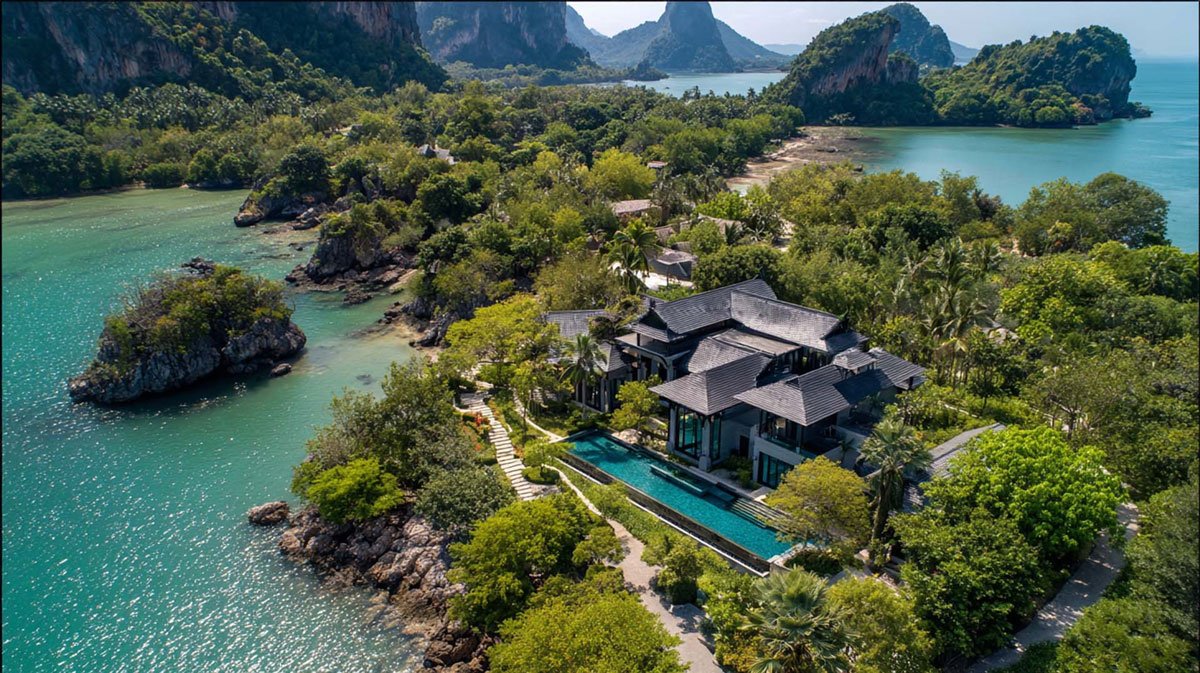
Buying Property in Koh Samui: What Foreign Buyers Need to Know Before Investing
Koh Samui has quietly become one of Southeast Asia’s most attractive real estate markets for foreign buyers. Once known primarily as a backpacker destination, the island has evolved into a mature property market with luxury villas, international schools, modern hospitals, and a growing community of long-term residents.
For overseas buyers considering property in Thailand, Koh Samui offers a compelling mix of lifestyle appeal and investment potential. However, buying property as a foreigner comes with specific legal, financial, and practical considerations that deserve careful attention before committing to a purchase.
Why Koh Samui Attracts Foreign Property Buyers
Koh Samui stands out from many other Thai destinations due to its balance between development and livability. The island has an international airport with direct regional connections, reliable infrastructure, and amenities that appeal to both retirees and working professionals.
Foreign buyers are drawn to the Koh Samui property market for several reasons: high-quality villa construction, consistent rental demand, modern healthcare access, and property prices that remain lower than Phuket or Bali for comparable quality. Unlike some rapidly overbuilt markets in the region, Koh Samui has maintained relatively low density, which tends to support steadier long-term value.
Can Foreigners Own Property in Koh Samui?
Foreign property ownership in Thailand is often misunderstood. Foreigners cannot own land outright in their personal name, but there are legal structures that allow secure investment.
Foreigners can own condominium units freehold, provided foreign ownership in the building stays below 49 percent of total sellable area. This makes condos the simplest option, though villa-style condos are limited on Koh Samui. Buyers interested in condos should verify the foreign ownership quota before committing, as buildings near the limit may have restrictions on future sales to other foreigners.
Most foreign buyers interested in Koh Samui real estate want villas, which involve land. Common structures include long-term leasehold arrangements, often 30 years with renewal clauses, Thai company ownership set up legally, and superficies or usufruct rights in specific cases. Each carries different legal and tax implications. The right choice depends on the buyer’s timeline, appetite for administrative complexity, and long-term plans for the property.
Freehold vs Leasehold: What Is the Difference?
Freehold gives permanent ownership and applies only to condominiums under Thai law. Leasehold provides the right to use land or property for a fixed period, commonly 30 years, with renewal options. Well-drafted lease agreements can provide genuine long-term security. Poorly drafted ones create problems that only surface years later.
Foreign buyers should never rely on verbal renewal promises. Everything must be in writing, in enforceable contracts.
Financing Property Purchases as a Foreigner
This catches many foreign buyers off guard: most purchases happen in cash. Thai banks rarely offer mortgages to non-residents, and when they do, the documentation requirements are substantial.
Some buyers arrange offshore financing against assets in their home country. Private lending exists within the expat community, though it carries obvious risks. Seller financing appears occasionally, usually when properties have sat on the market for a while. The main point is straightforward. Arrange funding before committing. Buyers who assume financing will sort itself out after arrival often find themselves stuck.
Choosing the Right Location on the Island
Location matters enormously, and Koh Samui is not one uniform market.
Bophut and Fisherman’s Village work well for buyers who want walkability and dining options. Rental demand stays strong there. Chaweng has nightlife and convenience but gets noisy in spots. Lamai tends to attract buyers looking for quieter surroundings at better prices. Maenam suits families and long-term residents. Plai Laem and Choeng Mon draw luxury buyers and investors targeting the high end.
What catches people out is the gap between seeing a property online and experiencing it in person. That hillside villa with the stunning sea view might also mean a steep, narrow access road that gets difficult in heavy rain. Properties on slopes sometimes have water pressure issues. Proximity to the ring road affects both convenience and noise levels. None of this shows up in listing photos, which is why visiting before buying matters so much.
Understanding Property Prices and Market Value
Prices vary enormously based on location, views, land title type, construction quality, and access infrastructure.
Sea view villas carry premiums, but hillside properties often come with higher maintenance costs and access complications. Beachfront land is scarce and priced accordingly. New developments are not automatically better than well-maintained resale villas, and asking prices frequently sit above what properties actually sell for. First-time buyers without local knowledge can easily overpay. Independent guidance helps, especially for understanding what comparable properties have actually traded for rather than what sellers are hoping to get.
Taxes, Fees, and Ongoing Ownership Costs
Buyers focused only on the purchase price tend to underestimate what else they will pay. Transfer fees, withholding tax, and specific business tax may apply depending on the transaction structure and how long the seller owned the property.
Ongoing costs add up too. Management fees for developments with shared amenities. Sinking fund contributions. Insurance. Pool and garden maintenance. Tropical climates are hard on buildings, and properties left unattended deteriorate faster than owners expect. Budget for upkeep, not just acquisition.
Legal Due Diligence Is Not Optional
Skipping legal checks is one of the fastest ways to create expensive problems. It is also surprisingly common.
Proper due diligence means verifying land title documents, checking zoning and building permits, confirming access rights and utility connections, reviewing lease terms and company structures, and ensuring compliance with local planning regulations. Title issues in particular can be complicated. Thailand has several types of land title with different levels of security, and not all land that appears buildable is legally clear for development.
Problems found after purchase are far harder and more expensive to fix. Foreign buyers should engage an independent lawyer who specializes in Thai property law and works only for the buyer. Lawyers suggested by agents or sellers may not provide the same scrutiny. The cost of proper legal review is modest compared to what problems can cost later.
Rental Potential and Investment Considerations
Many buyers factor rental income into their decision. Koh Samui offers opportunities for both short-term holiday lets and long-term leasing, but expectations need to be grounded.
Yields vary by location and property type. Villas closer to popular beaches generally perform better for short-term rentals, while properties in quieter areas may suit long-term tenants. Management and maintenance reduce net returns, sometimes significantly. Short-term rentals require licensing, hands-on management, and consistent marketing effort. Occupancy fluctuates seasonally, with the high season months carrying most of the annual income for holiday rental properties.
A property bought purely as an investment needs different evaluation than a lifestyle home that earns some rental income on the side. Mixing the two without clarity about priorities can lead to disappointment on both fronts.
Exit Strategy and Resale Considerations
Thinking about resale before buying feels premature, but it matters. The Koh Samui property market is smaller and less liquid than major urban markets. Properties can sit for months, sometimes longer, especially in less central locations or during slower periods.
The legal structure chosen at purchase affects resale directly. Some structures transfer more easily than others. A well-documented leasehold with clear terms resells more smoothly than one with vague renewal language. Company structures require proper maintenance over the years, and neglected paperwork can complicate sales later.
Buyers should also be honest about whether they are making a lifestyle decision or a financial investment. The two can overlap, but they sometimes point toward different choices. A property perfect for personal use may not be the easiest to sell when the time comes.
Common Mistakes Foreign Buyers Make
The most frequent mistakes: buying without visiting in person, trusting verbal assurances instead of written contracts, working with unlicensed intermediaries, underestimating ongoing costs, and prioritizing price over legal security.
Avoiding these comes down to preparation and patience. Rushing to secure a property rarely ends well.
Working With Local Expertise
Navigating Koh Samui real estate requires local knowledge. Regulations, pricing norms, and construction standards differ from mainland Thailand and other islands. For most foreign buyers, working with experienced local professionals who understand both the legal framework and the practical realities of the island makes the process considerably smoother.
Further Reading
For readers interested in learning more about the Koh Samui property market or exploring current listings, local market insights and property information can be found at Conrad Properties.