

What’s the Most Cost-Effective Way to Furnish Multiple Investment Properties?
Furnishing one investment property is manageable. Furnishing three, five, or ten is where small inefficiencies start getting expensive.
Most investors lose money in the fit-out phase for the same reason. They treat each property like a separate shopping trip instead of a repeatable business process. That usually means too much retail pricing, too many delivery fees, and too much time spent fixing avoidable problems. If you’re building a portfolio in Australia, the cheapest option on paper often turns into the most expensive option once delays, replacements, and vacancy are factored in.
Buying in Volume Changes Everything
The biggest saving comes from standardising your purchasing. Once you’re furnishing multiple properties, buying in volume gives you leverage on price, freight, installation, and replacement stock.
That’s why many experienced investors stop buying piece by piece from mainstream retailers. A proper interior design furniture package can cut out a lot of waste because it bundles selection, sourcing, delivery, and setup into one process. You’re not paying retail margins across dozens of individual items, and you’re not losing days chasing missing stock or rescheduling installers.
There’s also a consistency benefit that matters more than people expect. When your properties use similar dining chairs, sofas, bed bases, and whitegoods, your property manager knows exactly what’s in each dwelling. Reordering becomes easier. Styling stays consistent across listings. Photos look sharper. The whole portfolio feels more organised.
Volume buying also reduces soft costs. Less time on site. Fewer separate invoices. Fewer cartons to dispose of.
Financing the Setup Without Tying Up Cash
A lot of investors can afford the furniture. That doesn’t mean paying cash is the best move.
If you tie up too much capital in fit-outs, you lose flexibility for maintenance, vacancy periods, rate rises, and future acquisitions. In practice, cash reserves are often more valuable than the discount you might get from clearing the whole invoice upfront. Properties have a habit of needing something expensive at the wrong time.
This is where low doc commercial loans can make sense for the right borrower. They’re not a universal answer, and they need to be assessed properly, but they can help investors fund furnishing costs without draining working capital. That matters most when you’re setting up several properties at once, or when your income structure is a bit more complex than a standard PAYG application.
The key is matching the finance term to the life of the fit-out and the income strategy behind the property. If the furniture is there to support stronger rental returns, quicker leasing, or furnished short-stay income, the funding should support that purpose rather than create pressure from day one. Cheap finance that damages cash flow isn’t actually cheap.
Depreciation and Tax Treatment
Tax treatment is one of the more overlooked parts of furnishing strategy, which is odd because it changes the real cost of the setup.
In Australia, furniture, appliances, and other removable assets are generally treated differently from the building itself. That means items such as beds, lounges, fridges, washing machines, and dining settings may form part of a depreciation schedule, depending on the property type and ownership structure. Investors who keep proper records from the start usually make life easier for both their accountant and their quantity surveyor.
This is another reason bulk procurement helps. One clean supplier invoice is easier to track than a stack of scattered receipts from ten retailers and a couple of Facebook Marketplace pickups. It also gives you a clearer picture of what was installed, when it was installed, and what needs replacing later.
None of this means investors should buy furniture just for a tax deduction. That’s how people end up with overpriced fit-outs and a false sense of savings. The deduction helps, but the real win is buying durable items that earn their keep over time.
Second-Hand Isn’t Always Cheaper
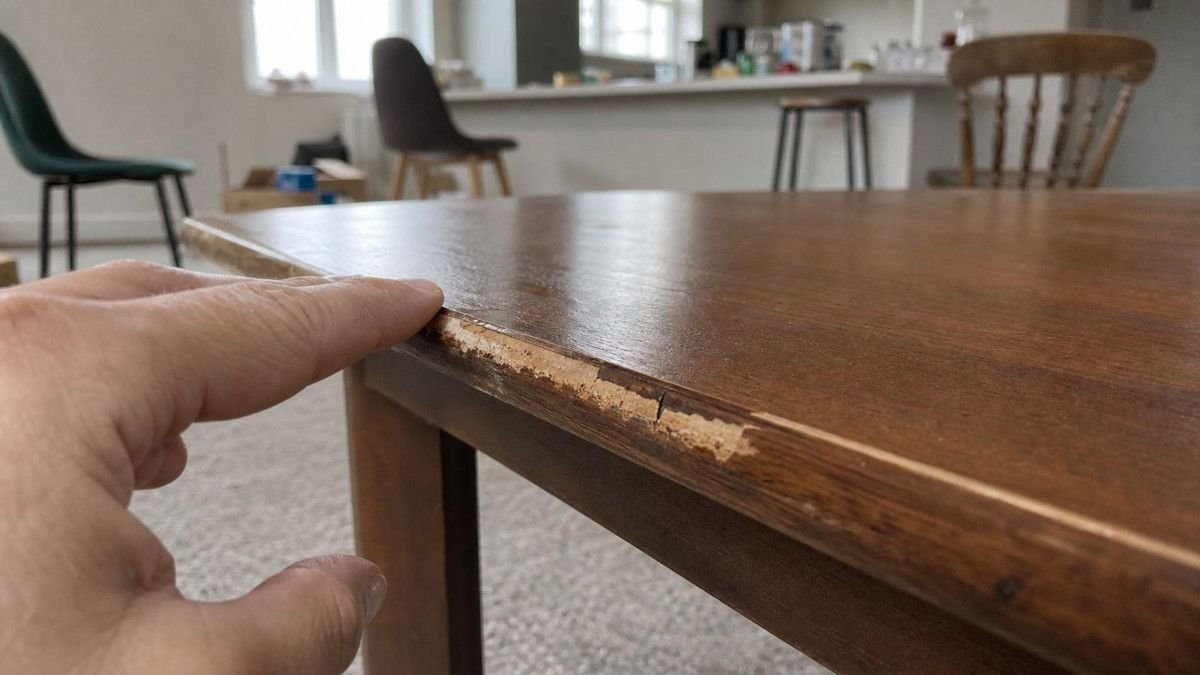
Second-hand furniture looks attractive when you’re trying to keep setup costs down. Sometimes it works. Often it doesn’t.
The purchase price might be lower, but the total cost is harder to control. Used items can vary in quality, size, finish, and remaining lifespan. One sofa may look fine in a listing photo and sag badly six months later. A second-hand fridge might run well enough at handover, then fail just after the tenant moves in. That sort of saving disappears quickly.
There’s also the labour factor. Sourcing used furniture across Gumtree, auctions, warehouse clearances, and local sellers takes time. Then you need transport, storage, cleaning, and usually a few compromises. If you’re furnishing multiple properties, those compromises stack up. Rooms start to feel mismatched, and replacements become difficult because the exact item is no longer available.
Second-hand can still have a place. It can work for selected decorative pieces, occasional tables, or certain common-area items where wear is less critical. But relying on it as the backbone of a multi-property furnishing plan usually creates more admin than value.
The Short-Stay vs Long-Term Rental Divide
The best furnishing strategy depends heavily on the rental model. Investors sometimes miss that and apply the same fit-out logic to very different assets.
For long-term rentals, you generally want durability, simplicity, and easy replacement. The furniture needs to hold up, look neutral, and avoid anything too trend-driven. Tenants staying for twelve months or more care more about function than boutique styling. A clean, sturdy setup usually beats a fashionable one.
Short-stay properties are a different game. Presentation matters more because the furniture is part of the product being sold every night. Guests book with their eyes first, and the photos need to justify the rate. That doesn’t mean spending like a hotel operator, but it does mean investing a bit more carefully in visual cohesion, comfort, and items that elevate the listing without becoming fragile.
This is where some investors overspend. They fill a unit with delicate décor, light-coloured upholstery, and fiddly furniture that looks great for two weeks and then starts costing money. Short-stay still needs commercial thinking. It just needs better styling as well.
Maintenance and Replacement Planning
The most cost-effective furnishing plan is the one that still works two years later.
That means choosing items based on replacement practicality, not just showroom appeal. Can you reorder the same bed base? Is the dining chair part of an ongoing range? Can cushion covers be cleaned or swapped without replacing the whole sofa? These are the questions that save money later.
A maintenance plan should be built into the original purchase decision. Keep a master inventory. Record supplier details, dimensions, colours, and installation dates. If you’re managing several furnished properties, keep one or two spare items in reserve where it makes sense, especially for lamps, dining chairs, and smaller soft furnishings that take regular damage.
Some investors resist standardisation because they want every property to feel unique. Fair enough. But there’s a point where uniqueness starts acting like a tax on your time. Repetition is useful. Your future self, and probably your property manager, will appreciate it.
Final Thoughts
For most Australian investors, the cheapest furnishing strategy is rarely the most fragmented one. Buying in volume, keeping specifications consistent, protecting cash flow, and planning for replacement usually produces a better result than bargain hunting across twenty different suppliers.
A good fit-out should help the property lease faster, present better, and stay easier to manage. If it does that without chewing through your cash reserves or creating endless replacement issues, it’s doing its job.