

How to Get Rid of Water Roaches: The Giant Ones That Come From Drains
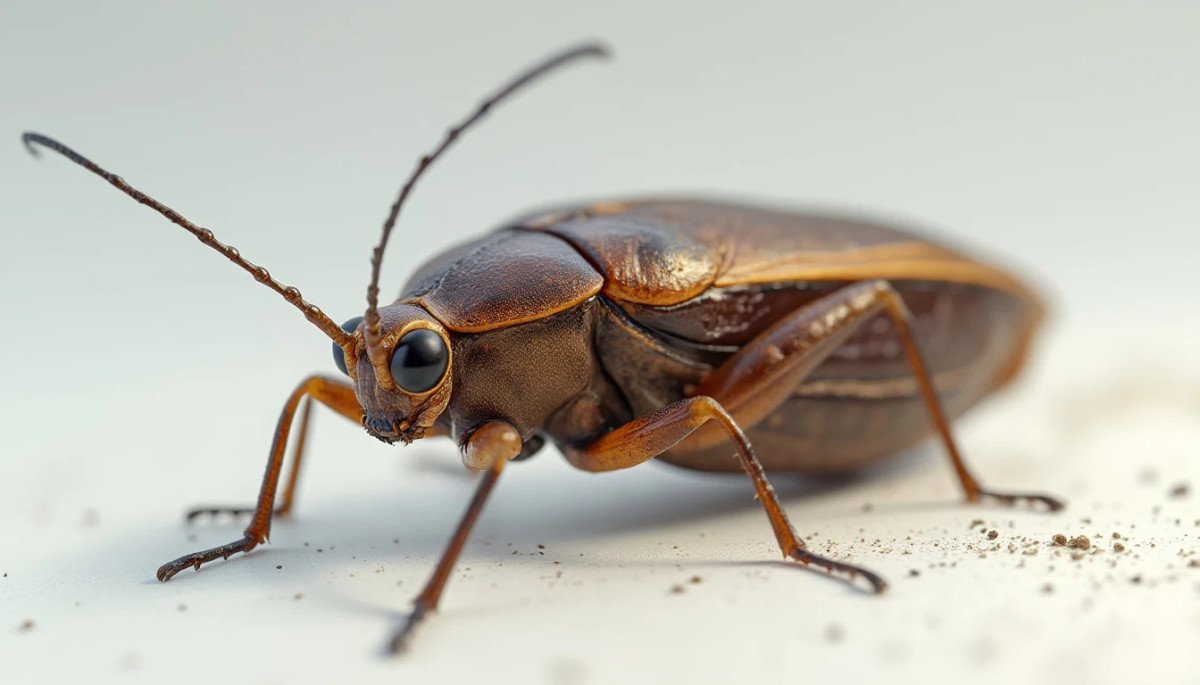
You walked into the bathroom at midnight and a massive reddish brown roach was sitting in the sink. It was nearly two inches long. It did not scurry when you turned on the light. It just sat there, antennae waving slowly. This is a water roach, and it probably came up through the drain.
Water roach is a common name that refers to two different cockroach species depending on where you live. In the South, it means the American cockroach, the large reddish brown roach that enters through sewer lines and drains. In the Northeast and Midwest, it often means the oriental cockroach, the shiny black roach that lives in damp basements and crawl spaces. This guide covers both, with the primary focus on American roaches, which are the more common meaning of the term in most of the United States. Oriental roaches are covered in more detail in a separate guide.
American Roach vs. Oriental Roach: Which Water Roach Do You Have
American roaches are the largest common cockroach in the United States. They are reddish brown with a pale yellow band behind the head and can reach an inch and a half to two inches long. Both males and females have full-length wings and can glide short distances, though they rarely fly indoors. They are most common in the southeastern United States but are found nationwide. In the South they are called palmetto bugs.
Oriental roaches are shiny dark brown to black, about one inch long, with short nonfunctional wings. They move slowly and cannot climb smooth surfaces. They prefer cool, damp environments and are most common in the northeastern and midwestern United States.
The treatment approach is different for each. American roaches come from sewers, drains, and outdoor mulch. Oriental roaches come from damp leaf litter, crawl spaces, and foundation-level moisture. If you find a roach in the sink or tub that you can identify as an American roach, the source is likely the drain. If you find dark black roaches in the basement, they are likely oriental roaches and the source is moisture in the foundation perimeter.
Getting Rid of American Water Roaches
Step One: Treat Your Drains
American roaches live in sewer systems and storm drains. They travel up drain pipes into homes through floor drains, sink drains, shower drains, and toilet bowls. The water in the P-trap under every sink and floor drain normally blocks them, but if a drain is rarely used, the water in the P-trap evaporates. The drain becomes an open highway from the sewer directly into your home.
Pour a gallon of water down every drain that is used less than once a week. This includes basement floor drains, guest bathroom sinks and showers, laundry room floor drains, and utility sinks. The water refills the P-trap and physically blocks roaches from climbing up the pipe. Do this monthly. It costs nothing and takes five minutes.
For drains that are used regularly but still produce roaches, apply a drain insecticide foam or gel. These products expand inside the pipe, coating the interior surface with insecticide that kills roaches as they travel up the pipe. Products labeled for drain treatment cost $8 to $15 per can and treat multiple drains. Apply monthly during peak roach season from spring through fall.
Install drain covers with fine mesh screens over floor drains. The cover allows water to flow through while blocking roaches physically. A stainless steel drain cover with a removable screen costs $5 to $10 at any hardware store and installs in 30 seconds.
Step Two: Seal Entry Points at Ground Level
American roaches enter at ground level through gaps that are surprisingly large. They are big insects, so the openings they use are big enough to see. The most common entry points are the gap under exterior doors, especially garage and basement doors, gaps around plumbing penetrations where pipes enter the foundation or the wall under sinks, cracks in the foundation larger than a quarter inch, gaps around window frames and window air conditioning units, and weep holes in brick veneer walls.
Install door sweeps on all exterior doors. The gap under a door without a sweep is the most common American roach entry point. A sweep costs $8 to $15 per door. Seal around plumbing penetrations with expanding foam or silicone caulk. For larger gaps around sewer cleanout pipes and main water lines entering the basement, pack copper mesh into the opening first, then seal over it.
Seal foundation cracks with hydraulic cement, which expands as it cures and creates a watertight seal. Unlike regular caulk, hydraulic cement works on damp surfaces and bonds to concrete. A 10-pound tub costs $15 to $20. Inspect the foundation perimeter annually for new cracks.
Step Three: Reduce Outdoor Attractants
American roaches live outdoors in mulch, leaf litter, woodpiles, and sewer openings. Reducing the outdoor population reduces indoor encounters.
Move mulch and leaf litter away from the foundation. American roaches feed on decaying organic matter. Mulch beds against the foundation are a buffet and a highway combined. Replace organic mulch within three feet of the foundation with gravel or stone.
Check sewer and septic system access points. The cap on your sewer cleanout pipe in the yard may be loose or cracked. This is a direct exit from the sewer to your yard. Tighten it or replace it. A replacement cap costs $5 to $10. Also check the seal around the toilet base. A loose toilet wax ring allows roaches to exit the drain pipe from under the toilet. If you see roaches near the toilet base, replace the wax ring. It costs $10 and takes an hour.
Apply granular insecticide bait around the foundation perimeter. A band three to six feet wide treated with a granular bait containing hydramethylnon or fipronil kills roaches foraging near the foundation before they find an entry point. One application lasts four to six weeks. A 10-pound bag costs $15 to $25.
If Your Water Roaches Are Oriental Roaches
Oriental roaches require a different approach focused on moisture reduction and foundation-level sealing. Eliminate standing water and reduce humidity in basements and crawl spaces. Fix plumbing leaks and insulate cold water pipes to prevent condensation. Remove leaf litter and organic debris from the foundation perimeter. Seal foundation cracks and install door sweeps. Full details are in the separate guide on oriental roach control. The key difference from American roach control is that oriental roaches rarely come from drains. They walk in through foundation gaps attracted by moisture, not sewer gas.
DIY vs. Professional for Water Roaches
American and oriental roaches are easier to control with DIY methods than German roaches because they do not establish indoor breeding colonies. An American roach found indoors is an individual that wandered in, not evidence of a nest in your walls. DIY treatment with drain maintenance, door sweeps, foundation sealing, and outdoor perimeter bait costs $40 to $80 in supplies and eliminates the problem for most homes.
Call a professional if roaches persist after sealing all visible entry points and treating drains. This usually indicates a sewer line break on your property that is releasing roaches underground, a municipal sewer access point near your home that cannot be DIY-sealed, or a large outdoor population in a neighboring property that requires coordinated treatment. Professional treatment for water roaches costs $150 to $300 for a one-time perimeter and drain treatment.
Frequently Asked Questions
Why do I keep finding roaches in my sink or bathtub?
American roaches climb up drain pipes and fall into sinks and tubs. They can climb the vertical pipe but cannot climb the smooth porcelain sides of the fixture to escape. Oriental roaches also appear in sinks and tubs for the same reason, but they enter from damp basements and crawl spaces rather than sewer lines. If the roach in the sink is large and reddish brown, it is an American roach from the drain. Pour water down infrequently used drains to refill the P-trap. If the roach is black and shiny, it is an oriental roach from basement moisture. Reduce humidity and seal foundation gaps.
Is a water roach the same as a water bug?
No. Water roach is a common name for American and oriental cockroaches, which are true cockroaches. True water bugs belong to the family Belostomatidae and are aquatic insects that live in ponds and streams. They are predators that can deliver a painful bite. American and oriental roaches do not bite. The confusion is purely linguistic. The insect in your sink is a cockroach, not a true water bug.
Can water roaches fly?
American roaches can glide short distances and occasionally fly, especially in warm weather. Males are more likely to fly than females. They rarely fly indoors. Oriental roaches cannot fly at all. If a large roach flew at you near the porch light, it was an American roach. If a large dark roach is sitting still in the basement, it is probably an oriental roach.