

Natural Flea Treatment for Your House: What Actually Works Without Chemicals
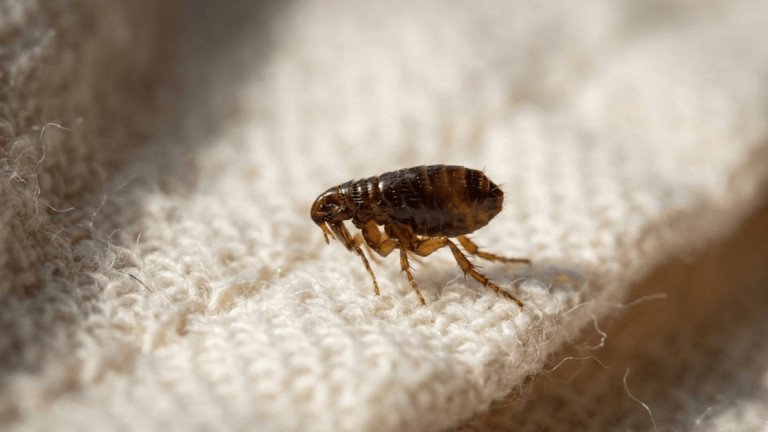
Your dog brought fleas inside and you do not want to spray synthetic insecticides across every room. You have kids crawling on the carpet, a cat that grooms its paws, or just a general preference for keeping chemicals out of your home. The good news is that natural flea control can work. The less good news is that it takes more effort than a single visit from an exterminator with a spray rig.
Natural flea treatment works through mechanical kill and desiccation rather than chemical poisoning. You are not poisoning the fleas. You are physically damaging their exoskeleton, removing them through vacuum suction, or dehydrating them with substances that absorb moisture. This requires consistency. The methods below are ranked by how well they work, from most effective to supportive only.
The Vacuum Cleaner: Your Primary Weapon
A vacuum cleaner is the single most effective natural flea control tool in your house. It removes adult fleas, eggs, larvae, and pupae from carpets and upholstery through physical suction. It also removes the dried blood feces that flea larvae feed on. It requires no chemicals and leaves no residue.
Vacuum every carpeted room, every area rug, and every upholstered surface in the house. Go slowly. A single pass removes about 30 percent of fleas at each life stage. Two slow passes per area removes over 90 percent. Pay attention to areas where pets sleep, which is where the majority of eggs accumulate. Also vacuum under furniture, along baseboards, and in the crevices of couch cushions where flea eggs roll into hiding.
Dispose of the vacuum contents immediately after each session. Fleas can survive inside a vacuum bag or canister and crawl back out. If you use a bagged vacuum, remove the bag, seal it in a plastic garbage bag, and take it to an outdoor trash can. If you use a bagless vacuum, empty the canister into a sealed plastic bag outdoors, then wash the canister with hot soapy water.
Vacuum daily for the first week of treatment. This stimulates flea pupae to emerge from their cocoons. Flea pupae can remain dormant for months, waiting for the vibration, heat, and carbon dioxide that signal a host is nearby. Daily vacuuming tricks pupae into emerging, at which point they encounter whatever treatment you have on the carpet. Daily vacuuming for seven to ten days significantly shortens the timeline of a flea infestation.
Steam Cleaning: Heat Kills Every Life Stage
Steam kills adult fleas, eggs, larvae, and pupae at temperatures above 140 degrees Fahrenheit. It is the only natural method that reliably kills flea pupae, which are encased in a protective cocoon that resists desiccants and most natural sprays. Steam penetrates carpet fibers and upholstery fabric where pupae hide.
Rent or use a steam cleaner with a water temperature of at least 200 degrees at the boiler. The steam exiting the nozzle will be slightly cooler but still well above the 140-degree threshold that kills fleas on contact. Steam clean every carpet, area rug, and upholstered surface in rooms where pets spend time. Move furniture and steam underneath. Go slowly. The longer the steam contacts the carpet fibers, the deeper the heat penetrates.
Steam cleaning also removes flea dirt, which is the dried blood feces that larvae feed on. This eliminates the larval food source, which is essential for breaking the lifecycle. After steam cleaning, the carpet will be damp. Run fans and a dehumidifier to dry the carpet within 12 hours. Wet carpet left to dry slowly can develop mold, which replaces one problem with another.
Diatomaceous Earth: The Mechanical Desiccant
Food-grade diatomaceous earth is the most effective natural powder for flea control. It is fossilized algae ground into microscopic sharp-edged particles. When a flea walks through the powder, the particles cut the waxy coating on its exoskeleton. The flea then dehydrates and dies. This is a mechanical kill. No chemical resistance can ever develop.
Apply a thin layer of food-grade diatomaceous earth to carpets, area rugs, pet bedding areas, and along baseboards. Use a bulb duster or a fine mesh sieve to apply an even, barely visible layer. The powder must be thin. Fleas avoid visible piles. A light dusting they do not see is the one they walk through.
Leave the diatomaceous earth in the carpet for 12 to 24 hours. During this time, fleas that move through the carpet encounter the powder and begin dehydrating. After 12 to 24 hours, vacuum the carpet thoroughly to remove the powder and the dead and dying fleas. Dispose of the vacuum contents outdoors in a sealed bag.
Food-grade diatomaceous earth is safe for pets and people, but the dust is irritating to lungs during application. Wear a dust mask. Keep pets and children out of the room during application and until the powder has settled, which takes about 30 minutes. Once the powder is worked into the carpet fibers, it poses no respiratory risk during normal activity.
Salt: Dehydration Through Osmosis
Finely ground table salt or sea salt dehydrates fleas by drawing moisture out of their bodies through osmosis. It is effective against adult fleas and larvae but does not penetrate pupal casings. Salt works best when left in carpets for 24 to 48 hours, which is longer than diatomaceous earth requires.
Grind salt to a fine powder in a food processor or blender. Coarse salt does not distribute evenly and is avoided by fleas. Sprinkle the finely ground salt across carpets and area rugs. Work it into the carpet fibers with a broom or brush so it reaches the base of the carpet where flea eggs and larvae accumulate. Leave the salt in the carpet for 24 to 48 hours. Then vacuum thoroughly and dispose of the contents outdoors.
Salt is safe for pets and children in the quantities used for flea treatment. A pet walking on salted carpet and licking its paws ingests a trivial amount of sodium. The risk is to the carpet, not the pet. Salt can wick moisture from the air and leave a residue that attracts dirt. Vacuum thoroughly after treatment. If you live in a humid climate, salt may clump in the carpet rather than staying dry and effective. In humid conditions, use diatomaceous earth instead.
Hot Water Laundry: The Bedding Protocol
Wash all pet bedding, throw blankets, removable cushion covers, and any fabric your pet sleeps on in hot water, at least 130 degrees Fahrenheit, and dry on high heat. The combination of hot water, detergent, and mechanical agitation kills fleas, eggs, and larvae. The dryer heat finishes off anything that survived the wash.
Do this on day one of treatment and repeat every three to four days for two weeks. This matches the flea egg-hatching cycle. Eggs laid before the first wash hatch within a few days. The new larvae are on the bedding you just washed. Washing every three to four days catches each emerging wave before they can develop into biting adults.
Do not carry infested bedding through the house to the laundry room. Bag it in the room where it was collected, carry the sealed bag to the laundry, and empty it directly into the machine. Flea eggs and larvae fall off fabric during transport. Bagging contains them.
Beneficial Nematodes: Natural Outdoor Flea Control
If your pet spends time in the yard, the yard is producing fleas that hitchhike indoors on the animal. Beneficial nematodes are microscopic roundworms that live in soil and feed on flea larvae. They are completely harmless to pets, people, plants, and beneficial insects like bees and butterflies.
Apply nematodes to shaded, moist areas of the yard where pets rest. This includes under decks, in mulch beds, along fence lines, and under shrubs. Nematodes need moisture to survive and move through soil. Water the area before and after application. Apply in early morning or late evening, as nematodes are killed by direct sunlight and heat.
One application of nematodes costs $20 to $40 and covers 2,000 to 3,000 square feet. They establish in the soil and continue controlling flea larvae for the rest of the season, though a second application mid-summer improves coverage. Nematodes are living organisms. Buy them from a reputable supplier and apply them within the shelf life printed on the package. Dead nematodes do nothing.
Natural Flea Sprays: What Works and What Does Not
What Works
Cedar oil spray. Cedar oil kills fleas on contact by disrupting their exoskeleton and respiratory system. It has a residual repellent effect for several days. Mix cedar oil concentrate with water in a spray bottle according to the label and spray carpets, pet bedding, and upholstery. Keep pets out of treated areas until the spray dries, typically one to two hours.
Lemongrass and peppermint oil sprays. These repel adult fleas but do not reliably kill them. They are useful as a supplementary repellent on pet bedding and around doorways after the primary treatment with vacuuming and diatomaceous earth has eliminated the active infestation.
Vinegar spray. White vinegar or apple cider vinegar mixed with equal parts water in a spray bottle repels fleas from treated surfaces. It does not kill them. Use it on hard floors and baseboards as a repellent, not as a primary treatment.
What Does Not Work
Baking soda. There is no evidence that baking soda kills fleas or their eggs. The claim that baking soda dehydrates fleas by absorbing moisture from their exoskeleton is not supported by entomological research. Salt and diatomaceous earth are effective desiccants. Baking soda is not.
Dish soap traps. Placing a bowl of soapy water under a lamp at night catches a few adult fleas that jump toward the light. It catches maybe a dozen fleas in a night. There are hundreds more in the carpet. Dish soap traps are a monitoring tool that tells you fleas are present. They are not a treatment that eliminates an infestation.
Essential oil flea collars and ultrasonic repellents. Neither has evidence of effectiveness for flea control. Do not rely on them as a primary or even secondary method.
What to Expect: The Natural Flea Treatment Timeline
Natural methods take longer than synthetic insecticides because they require physical contact with each flea rather than leaving a toxic residue that kills for weeks.
Day 1. Vacuum entire house. Wash all pet bedding. Steam clean carpets if possible. Apply diatomaceous earth or salt to carpets. Treat pet with a vet-recommended flea medication.
Days 2 through 7. Vacuum daily. Wash pet bedding every three days. Check for live fleas by wearing white socks and walking through carpeted rooms. Fleas that jump onto the socks are visible. The count should decrease daily.
Day 8. Apply diatomaceous earth to carpets again. This catches fleas that have emerged from pupae since the first application. Vacuum after 24 hours.
Day 14. If white sock counts are near zero and no live fleas have been seen for three consecutive days, the infestation is under control. Continue vacuuming every two to three days for another two weeks to catch any late-emerging pupae.
Day 21 and beyond. If you are still seeing fleas after three weeks of consistent daily vacuuming, diatomaceous earth application, and pet treatment, the infestation is severe enough that natural methods alone may not be sufficient. The flea lifecycle includes a pupal stage that can remain dormant for months. A single surviving pupa in a crack between floorboards can restart the infestation. At this point, consider an insect growth regulator, which is a synthetic hormone analog that prevents larvae from developing. It is not a kill-on-contact insecticide and is among the least toxic chemical options available for flea control.
Frequently Asked Questions
Does Dawn dish soap kill fleas on carpets?
Dawn kills fleas on contact by breaking the surface tension of water, causing fleas to sink and drown. This works in a bath for a pet but does not translate to carpet treatment. Pouring soapy water onto carpet saturates the carpet and pad, creating a moisture problem, and the soap does not reach fleas deep in the carpet fibers. Dawn is useful for bathing a pet infested with fleas. It is not a carpet treatment.
Does apple cider vinegar repel fleas?
Apple cider vinegar sprayed on pet bedding or added to a pet’s water may have a mild repellent effect, but the evidence is anecdotal. Fleas do not avoid a treated surface the way they avoid cedar oil. If you want to use vinegar, use it on hard floors and baseboards as a supplementary repellent after the primary treatment. It is not a standalone solution.
Are natural carpet powders at the store as good as diatomaceous earth?
Most commercial natural carpet powders use diatomaceous earth, salt, or sodium borate as their active ingredient. Read the label. If the active ingredient is diatomaceous earth, the store-bought powder is equivalent to what you can buy in bulk for less money. If the active ingredient is sodium borate, it is a stomach poison that kills flea larvae when they eat it, which is a different mechanism than desiccation and takes longer to work. Both are effective when used as directed. The advantage of buying pure diatomaceous earth is cost. A four-pound bag costs $10 to $15 and treats a house multiple times. A single canister of branded carpet powder costs about the same and treats one or two rooms.