

Heathrow Airport Taxi Prices 2026 — The Complete Fare Guide
Heathrow is the busiest airport in the United Kingdom, moving well over 80 million passengers a year through its four terminals. For most of those travellers, the journey doesn’t end when the plane lands — it ends when they finally reach their hotel, office, or front door. And the single question that decides how smooth that last leg feels is a simple one: how much should a taxi from Heathrow actually cost in 2026?
The honest answer is that it depends on what kind of taxi you take, when you travel, and whether you book ahead or take your chances at the rank. This guide breaks down every cost you’re likely to meet this year — the metered black cab tariffs, the fixed private-hire fares, the new airport charges that quietly inflate the bill, and the practical ways to keep your spend sensible without sacrificing comfort.
What’s Changed at Heathrow in 2026
Before looking at fares, it’s worth understanding two changes that came into force this year, because both feed directly into what you pay.
The first is the Heathrow drop-off charge. From 1 January 2026, the fee rose from £6 to £7 for every entry into a terminal forecourt drop-off zone. There are no barriers or payment booths — automatic number-plate recognition cameras simply log your vehicle as it enters. Miss the payment deadline (midnight the day after travel) and you risk an £80 penalty notice, reduced to £40 if settled within fourteen days. Alongside the price rise, Heathrow introduced a strict 10-minute maximum stay in the forecourt. Overstay it and you can be penalised even if you’ve paid the entry fee. Taxis and private-hire vehicles are not exempt, so this charge almost always appears on your final fare, whether the meter is running or the price was fixed in advance.
The second change is the Transport for London tariff review. From 25 April 2026, the minimum black cab fare increased to £4.40, with an across-the-board uplift of roughly 2.9% applied to the metered rates. That sounds small, but on a long airport run those per-mile pennies add up.
Black Cab Fares: The Metered Reality
The famous London black cab is the most visible option. You’ll find ranks directly outside each terminal, and no booking is required — you simply join the queue and go. Black cabs run on a regulated meter set by TfL, which means there is no fixed flat rate to or from Heathrow. The number you see at the end reflects distance, time, and the tariff band that applies to the moment you travelled.
Those tariff bands matter more than most passengers realise. Tariff 1 covers weekday daytimes and is the cheapest. Tariff 2 kicks in during evenings and weekends. Tariff 3 — the priciest — applies at night and on public holidays. The same trip can therefore swing wildly: a quiet Tuesday morning run might settle around £75, while the identical journey at half past five on a wet Friday can push past £110 as the meter ticks over for every minute spent crawling through traffic.
As a working figure for 2026, a metered black cab from Heathrow into central London typically lands somewhere between £75 and £130. To that you should add a small rank pick-up supplement of around £1.60 and, of course, the £7 drop-off charge if you’re heading to the airport rather than leaving it. Because the meter charges for idle time as well as distance, your arrival hour effectively sets your budget. Land during a rush-hour gridlock and you pay for the privilege of sitting in it.
Black cabs are an excellent choice if you value flexibility and don’t mind a variable price. They’re roomy, the drivers know the city intimately, and there’s no need to plan ahead. The trade-off is uncertainty — you genuinely don’t know the total until you arrive.
Pre-Booked Private Hire: The Fixed-Price Alternative
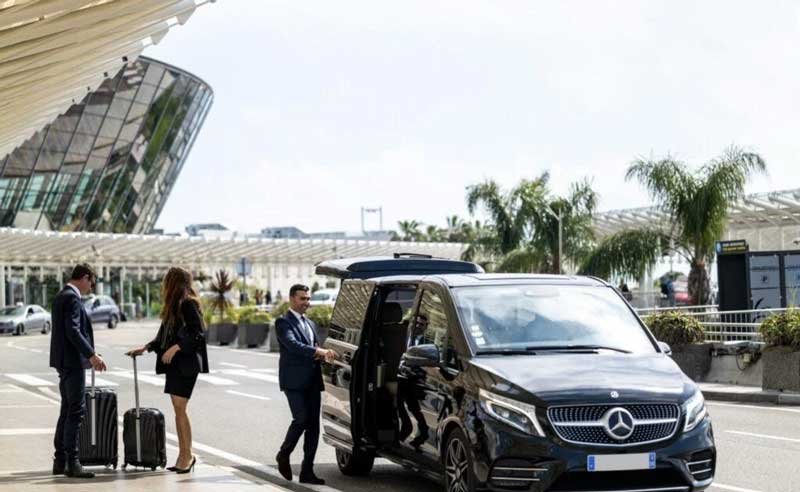
For travellers who prefer to know the cost before they set off, a pre-booked private-hire transfer is usually the smarter pick. This is where a company like Global Airport Taxi comes into its own. Rather than watching a meter climb, you lock in a fixed fare at the moment of booking, and that’s the price you pay — regardless of how heavy the traffic turns out to be.
Fixed private-hire fares from Heathrow to central London in 2026 generally start in the region of £50 to £75 for a standard saloon, depending on your exact destination. Closer terminals like Paddington sit at the lower end, while addresses further across the city or out in the suburbs cost a little more. Larger vehicles naturally carry a premium: estate cars typically run a few pounds above the saloon rate, and a six-seat people carrier for a family or group with luggage usually falls somewhere around £70 to £80.
The appeal isn’t only the price certainty. A reputable operator monitors your flight in real time, so if you’re delayed the driver simply adjusts — no frantic phone calls, no extra charge for the wait. Most include a generous window of complimentary waiting time (often up to an hour at Heathrow), a meet-and-greet inside the terminal with a name board, and help with bags from the arrivals hall to the car. After a long-haul flight, that difference in service is worth a great deal more than the modest gap in fare. Critically, because the price is agreed in advance, the £7 drop-off charge and any congestion charge are already baked in — there are no surprises when you reach your door.
One legal point worth remembering: private-hire vehicles cannot be flagged down or picked up on the spot. They must be booked ahead. That’s exactly why arranging your ride before you fly removes the guesswork entirely.
Ride-Hailing Apps: Convenient but Unpredictable
App-based services such as Uber and Bolt also operate from Heathrow, with designated pick-up points. Off-peak, fares to central London often look attractive — frequently in the £45 to £85 bracket. The catch is surge pricing. During busy periods, demand multipliers can add anywhere from 20% to 50% to the base fare, and since January 2026 all UK ride-hailing fares include 20% VAT, which has nudged headline prices upward. The quote you see when you open the app on a calm afternoon may bear little resemblance to the one waiting for you when an evening of cancelled flights sends everyone scrambling for a car at once. Apps suit spontaneous, off-peak trips; they’re a riskier bet when you need certainty.
How Long Is the Journey?
Heathrow sits roughly 15 to 20 miles from central London, usually reached via the M4 or A4. In light traffic, the drive takes around 45 to 60 minutes. During the weekday peaks — broadly 8:00 to 9:30 in the morning and 17:00 to 19:00 in the evening — that can stretch to 60 to 90 minutes. Build this into your planning, especially if you have a meeting, a connection, or a train to catch. With a metered cab, a longer journey means a higher fare; with a fixed-price transfer, the time you spend in traffic costs you nothing extra.
Smart Ways to Keep Your Fare Down
A few habits make a real difference to what you spend:
- Book in advance for price certainty. A fixed fare protects you from both traffic and surge pricing, and it’s often cheaper than a metered cab during peak hours.
- Travel off-peak where you can. Avoiding the morning and evening rush trims both the journey time and, on a meter, the cost.
- Share the ride. Splitting a single transfer between three or four people almost always beats individual train or app fares per head.
- Always confirm the licensing. Use TfL-licensed operators only, check that the driver and vehicle match your booking confirmation, and ask for a receipt.
- Factor in the extras. Remember the £7 drop-off charge and any congestion charge — with a pre-booked fixed fare these are usually included, which is one less thing to settle on the day.
What About Public Transport?
It would be unfair not to mention the alternatives. The Heathrow Express runs a fast link to Paddington, the Elizabeth line offers a cheaper and well-connected route across the city, and the Piccadilly line on the Underground is the most economical option of all. These are excellent for solo travellers on a budget or anyone travelling light. The moment you add luggage, a family, an awkward arrival time, or a destination that isn’t near a station, though, the door-to-door simplicity of a taxi quickly wins out — particularly when the fare is fixed and a driver is waiting for you by name.
The Bottom Line
Heathrow taxi prices in 2026 sit within a fairly predictable range once you know how the system works. Expect roughly £75 to £130 on a metered black cab into central London, £50 to £85 for a fixed private-hire saloon, and a variable figure on the ride-hailing apps that swings with demand. Layered on top is the £7 drop-off charge and the new 10-minute forecourt rule, both of which reward planning ahead.
If your priority is a price you can count on, a driver who tracks your flight, and a smooth exit from the terminal with your bags carried for you, a pre-booked transfer is hard to beat. Global Airport Taxi offers exactly that — fixed, transparent fares across all four Heathrow terminals, professional licensed drivers, and a service designed so the last leg of your trip is the easiest part of it. Book ahead, know your cost before you fly, and step off your flight into a car that’s already waiting.