

Irrigation Backflow Preventer: Types, Installation, Testing, and What You Need to Know
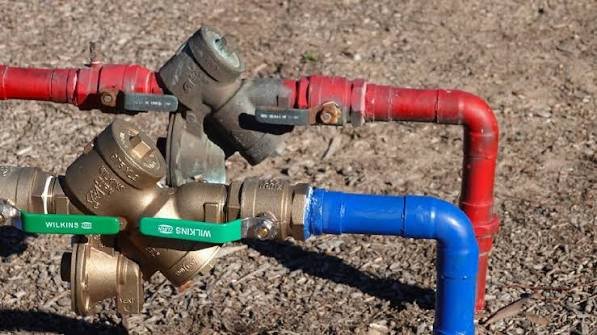 You installed a sprinkler system last summer and it worked perfectly all season. Then a letter arrived from the water department saying you need to have your backflow preventer tested annually and submit the results. You did not even know you had a backflow preventer, let alone where it is located or why it needs testing. You are not alone — most homeowners with irrigation systems have no idea what a backflow preventer does until the water company sends that letter.
A backflow prevention device is used to protect potable water supplies from contamination due to backflow (Wikipedia). An irrigation backflow preventer stops water from your sprinkler system — which contains fertilizer, pesticides, and bacteria from the soil — from flowing backward into your home’s drinking water supply. Without it, a drop in water pressure could draw contaminated water through the system and into the pipes that supply your kitchen faucet.
The types of irrigation backflow preventers, installation requirements, testing procedures, and repair costs vary by device. Here is what you need to know for your system.
Types of Irrigation Backflow Preventers
Three main types of irrigation backflow preventers are used in residential and commercial irrigation systems. Each type has different capabilities, installation requirements, and cost ranges. The table below summarizes the differences.
| Type | Cost | Installation | Testing required
|
| Pressure vacuum breaker (PVB) | $50u2013$150 | Above ground, 12 in above highest sprinkler | Yes, annually |
| Double check valve (DCV) | $100u2013$300 | Below ground in valve box | Yes, annually |
| Reduced pressure zone (RPZ) | $200u2013$600 | Above ground, drainage required | Yes, annually |
The pressure vacuum breaker is the most common type for residential irrigation systems. It is installed above ground on the main irrigation line, typically on a sidewall of the house or on a standpipe near the water meter. The PVB has a vent that opens when water pressure drops, allowing air into the system instead of contaminated water being drawn backward into the house plumbing. The PVB must be installed at least 12 inches above the highest sprinkler head in the system, which is why it is often mounted high on an exterior wall.
The double check valve uses two check valves in series to prevent backflow. It does not have a vent and does not discharge water, which makes it suitable for below-ground installation in a valve box. The double check valve is less visible than a PVB but provides a lower level of protection. It is acceptable for most residential systems but may not meet code requirements for commercial or high-hazard applications.
The reduced pressure zone device provides the highest level of backflow protection. It uses two check valves and a pressure differential relief valve. If the pressure drops, the relief valve opens and discharges water, providing a visible indication that the device is working. The RPZ must be installed above ground with adequate drainage because it can discharge a significant amount of water during operation. It is required for commercial systems and for residential systems with high-hazard contamination risks.
Installation Requirements and Location
The installation location of an irrigation backflow preventer is determined by local plumbing codes and the type of device being installed. Incorrect installation can result in the device failing to prevent backflow, water damage to the property, or a failed annual test.
Pressure vacuum breakers must be installed above ground and at least 12 inches above the highest sprinkler head in the irrigation system. This height requirement ensures that the vent opens properly when pressure drops. The PVB must be protected from freezing — it is not designed to withstand freezing temperatures and will crack if water inside it freezes. In cold climates, the PVB must be drained before winter and removed or insulated.
Double check valves can be installed below ground in a valve box. The valve box must be large enough to provide access for testing and maintenance. The valve box lid should be at grade level and clearly marked. Double check valves are less susceptible to freezing because they are below ground, but they must still be drained before winter in cold climates.
Reduced pressure zone devices must be installed above ground with at least 12 inches of clearance below the relief valve for drainage. The RPZ discharges water during normal operation and requires a drainage system to carry the water away from the foundation. A drain pipe or gravel bed is typically installed below the RPZ. The RPZ must be protected from freezing, which limits its use in cold climates without a heated enclosure.
A licensed plumber with 22 years of experience explained: “The most common mistake I see with backflow preventers is homeowners installing them in basements or crawl spaces to hide them from view. Most devices need to be above ground and accessible for testing.”
Annual Testing and Maintenance
Annual testing of irrigation backflow preventers is required by most local water authorities. The test must be performed by a certified backflow tester who holds a current certification from the state or local health department. The tester attaches a differential pressure gauge to the test cocks on the device and measures the pressure differential across each check valve.
The test results are recorded on a form provided by the local water authority. If the device passes the test, the form is submitted to the water department and the homeowner receives a confirmation. If the device fails, the tester may be able to repair it on-site, or the device may need to be replaced. The annual test typically costs $50 to $150, depending on the location and the type of device.
Maintenance between annual tests is minimal but important. Inspect the device visually each month during the irrigation season. Look for leaks around the fittings, signs of corrosion, and debris around the vent or relief valve. For PVBs, check that the vent is not blocked by dirt, insects, or nests. For RPZs, check that the relief valve is not leaking — a constant drip indicates a failed check valve.
Winterization is critical in cold climates. PVBs and RPZs must be drained before the first freeze. The water supply to the device is shut off, and the test cocks are opened to drain any water remaining in the valve body. Double check valves in valve boxes must be drained or blown out with compressed air to remove water from the valve chambers.
Repair and Replacement Costs
Irrigation backflow preventers are mechanical devices with moving parts that wear out over time. The typical lifespan of a backflow preventer is 10 to 15 years. Repair and replacement costs vary by device type and the extent of the damage.
PVB repair costs $50 to $150. The most common failure is a torn or deteriorated rubber seal inside the vent. Replacement seals cost $10 to $30, and the labor to install them is $40 to $120. If the valve body is cracked from freezing, the entire device must be replaced at a cost of $100 to $300.
Double check valve repair costs $80 to $200. Failed check valves or rubber seals can be replaced individually. Rebuilding a double check valve with new seals, springs, and gaskets costs $100 to $250. Full replacement of a double check valve costs $200 to $500 including installation.
RPZ repair costs $150 to $400. The relief valve and check valves are the most common failure points. A complete rebuild kit with all seals, springs, and gaskets costs $50 to $150. Replacement of an RPZ device costs $400 to $1,000 including professional installation and testing.
The annual test itself often identifies problems before they become expensive repairs. A device that passes the annual test is unlikely to fail catastrophically during the irrigation season. Skipping the annual test to save $50 to $150 often leads to more expensive repairs later.
Cost of Irrigation Backflow Preventers
The cost of an irrigation backflow preventer varies by type, size, and brand. The prices below include the device only, not installation labor.
A residential PVB with 3/4-inch or 1-inch connections costs $50 to $150. Brands like Watts, Febco, and Zurn are the most common and replacement parts are widely available. A PVB for a standard residential system servicing up to 10 sprinkler zones is the most cost-effective choice.
A residential double check valve costs $100 to $300 for a 3/4-inch or 1-inch model. The double check valve is more expensive than a PVB but can be installed below ground, which is an advantage in areas with strict height restrictions or aesthetic concerns.
A residential RPZ device costs $200 to $600 for a 3/4-inch or 1-inch model. The RPZ provides the highest level of protection but the higher cost and above-ground installation requirement make it less common for standard residential systems.
Professional installation labor adds $150 to $400 to the total cost, depending on the complexity of the installation and whether any additional piping or drainage is required. The total installed cost for a PVB is typically $200 to $500. For a double check valve, the total installed cost is $250 to $700. For an RPZ, the total installed cost is $350 to $1,000.
Frequently Asked Questions
What is an irrigation backflow preventer and do I need one?
It stops dirty water from flowing back into your clean water. Most local codes require one on permanent irrigation systems.
What type of backflow preventer do I need for my sprinkler system?
A pressure vacuum breaker is the most common type for homes. It is affordable and meets code requirements for most residential systems.
How often does an irrigation backflow preventer need to be tested?
Annual testing is required by most local water authorities. The test must be performed by a certified backflow tester. Testing costs $50 to $150 and takes about 30 minutes.
How much does an irrigation backflow preventer cost?
A PVB costs $50 to $150 for the device. A double check valve costs $100 to $300. An RPZ costs $200 to $600. Installation labor adds $150 to $400.
How do I winterize my irrigation backflow preventer?
Shut off the water supply and drain the valve body. PVBs and RPZs must be drained before the first freeze to prevent cracking of the valve.
Why is my irrigation backflow preventer leaking?
A leaking vent or relief valve means a failed seal. Fitting leaks can be tightened. Body leaks indicate freeze damage requiring full replacement of the device.
Is a backflow preventer the same as a vacuum breaker?
A pressure vacuum breaker is a type of backflow preventer. Not all backflow preventers are vacuum breakers. Double check valves and RPZ devices are different types with different mechanisms.
How much does it cost to repair an irrigation backflow preventer?
Repair costs $50 to $400 depending on the device type. Seals cost $50 to $150 to replace. Full replacement costs $200 to $1,000 installed.