

Patio Design Ideas Pictures: Layouts, Materials, and Outdoor Features to Transform Your Yard
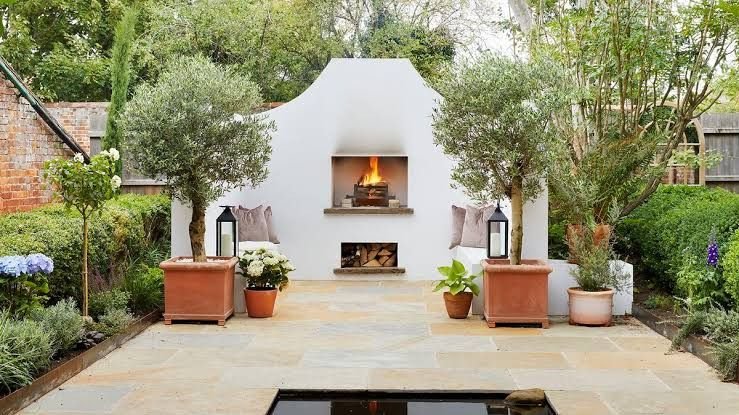 The concrete slab behind your house has been the same since the house was built. It is functional but boring — a gray rectangle that does nothing to invite you outside. You have seen beautiful patios in magazines and online, with warm stone, built-in seating, and soft lighting. You want to transform your patio into a space you actually want to spend time in, but you are not sure where to start with design ideas or which materials will work for your yard and budget.
A patio is an outdoor space generally used for dining or recreation that adjoins a structure and is typically paved (Wikipedia). The best patio design ideas pictures are the ones that show you what is possible for your specific space — whether you have a small city courtyard or a large suburban backyard.
Patio design ideas pictures by layout, material, size, and features help you visualize your ideal outdoor space. Here is everything you need to plan your patio project.
Patio Layout and Shape Ideas
The layout of your patio determines how you use the space and how it connects to your home and yard. The shape should complement the architecture of your house and the natural contours of your property.
A rectangular patio is the most common and cost-effective layout. It works well for dining areas and fits easily against the back of the house. Rectangular patios are the easiest to build and furnish. Standard dining furniture — a 6-foot table with chairs — requires a patio area of at least 10 by 12 feet. Add pathways from the patio to the garden or side yard to create flow.
A curved or freeform patio creates a more natural, organic look that blends with landscaping. Curved patios work well on irregular lots and around existing trees or garden beds. The curves soften the transition between the patio and the lawn. Curved patios cost more to build because the paving materials must be cut to fit the curves, adding 10 to 20 percent to the installation cost.
A multi-level patio divides the outdoor space into distinct zones for different activities. An upper level near the house is used for dining and entertaining. A lower level has a fire pit or seating area. Steps, retaining walls, and planters connect the levels. Multi-level patios work well on sloped lots and create visual interest in flat yards by adding vertical dimension.
| Layout | Best for | Cost factor
|
| Rectangular | Dining, small spaces | Lowest cost |
| Curved / freeform | Natural landscapes, trees | Moderate |
| Multi-level | Sloped lots, zoning | Higher cost |
| L-shaped | Corner spaces, wrap-around | Moderate |
Best Patio Materials — Pavers, Concrete, Stone, and Brick
The material you choose for your patio affects the appearance, cost, durability, and maintenance. Each material has a different look and feel that contributes to the overall design.
Concrete pavers are the most popular patio material for residential use. They are available in a wide range of shapes, colors, and patterns. Pavers are durable, easy to repair — individual pavers can be replaced if damaged — and they allow water to drain through the joints. A paver patio costs $8 to $15 per square foot installed. Pavers can be arranged in running bond, basket weave, or herringbone patterns for different looks.
Stamped concrete is a single poured concrete slab that is stamped with a pattern to mimic stone, brick, or tile. It costs less than individual pavers — $6 to $12 per square foot installed — but is more prone to cracking over time. Stamped concrete requires resealing every two to three years to maintain the color and prevent water damage. The pattern and color options are chosen at the time of pouring and cannot be changed later.
Natural stone — flagstone, bluestone, travertine, or slate — creates the most upscale patio appearance. Stone patios cost $15 to $30 per square foot installed. Each stone is a unique shape and color, creating a one-of-a-kind surface. Stone is durable and ages well but requires a skilled installer for proper fitting. Irregular flagstone laid with grass or ground cover between the stones creates a natural, garden-like look.
Brick patios have a classic, timeless appearance that suits traditional and colonial-style homes. Brick pavers cost $8 to $15 per square foot installed. Brick is durable and colorfast — the color runs through the entire brick, so it does not fade like stamped concrete. Brick can be laid in herringbone, basket weave, or running bond patterns.
Small Patio Design Ideas
A small patio does not mean a small design. The best patio design ideas pictures for small spaces focus on maximizing every square foot with multi-functional furniture, vertical elements, and careful space planning.
Use vertical space for plants and decor. Wall-mounted planters, trellises with climbing vines, and hanging baskets add greenery without taking up floor space. A vertical garden wall creates a lush backdrop for a small patio and provides privacy from neighbors. Outdoor mirrors on the wall reflect light and make the space feel larger.
Choose furniture that serves multiple purposes. A bench with storage underneath holds cushions and gardening supplies. A folding table and stackable chairs can be stored when not in use. A built-in bench along the perimeter maximizes seating without crowding the center of the patio. A small bistro table with two chairs fits on a 6-by-6-foot patio and creates an intimate dining area.
Define the space with an outdoor rug and potted plants. A rug anchors the seating area and adds color and pattern. Plants in containers at different heights — tall grasses, flowering perennials, small shrubs — frame the patio and create privacy. String lights overhead add ambiance and draw the eye upward, making the space feel larger than it is.
Consider a patio with a built-in fire pit as the focal point. A small circular patio with a fire pit in the center and a ring of seating around it creates a cozy gathering space that uses every inch efficiently. A 10-foot diameter circular patio with a fire pit provides seating for six to eight people.
Patio with Fire Pit or Outdoor Kitchen
Adding a fire pit or outdoor kitchen to your patio extends the use of the space into cooler months and makes it a destination for entertaining. These features are the most popular additions to patio design ideas.
A fire pit serves as a natural gathering point. Built-in fire pits cost $500 to $2,000 for materials and installation. Portable fire pits cost $100 to $500. A fire pit should be placed at least 10 feet from the house and any structures. The seating around a fire pit should be arranged so everyone can see the fire and each other — a circular seating arrangement works best. Materials for the fire pit surround should match or complement the patio material.
An outdoor kitchen extends the cooking and entertaining capabilities of the patio. A basic outdoor kitchen with a grill, counter space, and storage costs $2,000 to $5,000. A full outdoor kitchen with a grill, sink, refrigerator, and bar seating costs $5,000 to $15,000 or more. The outdoor kitchen should be placed near the house for easy access to water and electricity. A pergola or roof over the kitchen provides shade and protection from the elements.
A pergola or shade structure defines the space and provides relief from the sun. A wooden pergola costs $500 to $2,000 for materials. A vinyl pergola costs $1,000 to $3,000. Adding retractable shade fabric or climbing vines to the pergola creates dappled shade and makes the patio more usable on hot days. A pergola also provides a structure for hanging lights and outdoor curtains.
A landscape designer with 18 years of experience noted: “The patios that get the most use are the ones that have a clear focal point — a fire pit, a water feature, or a dining table. A focal point gives people a reason to stop and sit.”
Patio Landscaping and Planters
Landscaping around the patio softens the hard surfaces and integrates the patio into the yard. The right plant choices and planter designs create a lush, inviting atmosphere.
Perimeter planting beds around the patio edge frame the space and create a transition between the paved surface and the lawn. Low-growing shrubs like boxwood or lavender work well along the patio edge. Ornamental grasses add texture and movement. Perennial flowers provide seasonal color. The planting beds should be at least 18 inches wide to accommodate plants and allow for growth.
Raised planters built into the patio design add structure and define different zones. A raised planter between the dining area and the seating area creates a visual separation without blocking the view. Planters can be built from the same material as the patio for a cohesive look. Built-in planters can also include built-in seating around the perimeter.
Container gardening on the patio allows flexibility. Pots and urns can be moved and rearranged as the seasons change. A collection of pots in different sizes grouped together creates more visual impact than individual pots scattered around. Use a mix of heights — tall plants in large pots, medium plants in midsize pots, and trailing plants in small pots at the edge of the patio.
Consider a water feature as a landscaping element. A small fountain adds the sound of running water, which masks traffic noise and creates a relaxing atmosphere. A pondless waterfall — water recirculates over rocks and disappears into a hidden reservoir — creates the look of a natural water feature without the maintenance of a pond.
Patio Furniture and Decor Ideas
The furniture and decor on the patio determine how comfortable and inviting the space feels. The right choices make the patio feel like an extension of the indoor living space.
Choose weather-resistant furniture that matches the style of the patio. Wicker and rattan furniture is lightweight and comfortable but needs to be made from synthetic materials for outdoor use. Aluminum and steel furniture is durable and rust-resistant. Teak and cedar furniture is naturally weather-resistant and ages to a silver-gray patina. Cushions should be made from outdoor-grade fabric that resists moisture, UV rays, and mildew.
Outdoor lighting extends the use of the patio into the evening. String lights overhead create a warm, festive atmosphere. Path lights along walkways improve safety. Uplights on trees and architectural features add drama. Solar lights are the easiest to install and require no wiring. Low-voltage LED lights are brighter and more reliable for task lighting over dining and cooking areas.
Outdoor curtains add softness and provide privacy. Curtains on a pergola or covered patio can be drawn for shade and privacy or opened for views and sunlight. Outdoor curtains should be made from weather-resistant fabric and can be left in place through the season. Sheer curtains filter light while still allowing views. Opaque curtains provide full privacy.
Accessories like outdoor pillows, throws, and tabletop decor add color and personality. An outdoor rug ties the furniture grouping together. Lanterns, candles, and tabletop fire bowls create ambiance. A weatherproof storage box keeps cushions and accessories dry and organized when not in use.
Frequently Asked Questions
What is the cheapest patio material?
Stamped concrete is cheapest at $6 to $12 per square foot. Pavers and brick are $8 to $15. Natural stone costs $15 to $30.
How much does a small patio cost to build?
A 10×10 paver patio costs $800 to $1,500. Stamped concrete of the same size costs $600 to $1,200. Costs vary by region.
What is the best low-maintenance patio material?
Concrete pavers are the best low-maintenance option. They do not need sealing like stamped concrete, and individual pavers can be replaced if damaged. Stone is also low maintenance but costs more.
What size patio do I need for outdoor dining?
A 10×12 foot patio is the minimum for dining. A 12×16 patio comfortably seats eight people for outdoor meals.
Do I need a permit to build a patio?
Most areas require a permit for patios over 200 square feet. Check with your local building department before starting any patio construction project.
What direction should a patio face?
South-facing patios get the most sun throughout the day. West-facing patios get afternoon sun and evening warmth. North-facing patios stay cool and are best for hot climates. East-facing patios get morning sun and afternoon shade.
Can I build a patio myself?
DIY is possible for paver patios under 200 square feet. Larger patios need professional equipment. Proper base preparation is critical for a long-lasting patio.
How long does a patio last?
Pavers and stone last 25 to 50 years. Stamped concrete lasts 10 to 20 years before needing resurfacing. Brick lasts 20 to 40 years. Maintenance extends the lifespan.