

Design-Led Heating Solutions That Complement Contemporary Interiors
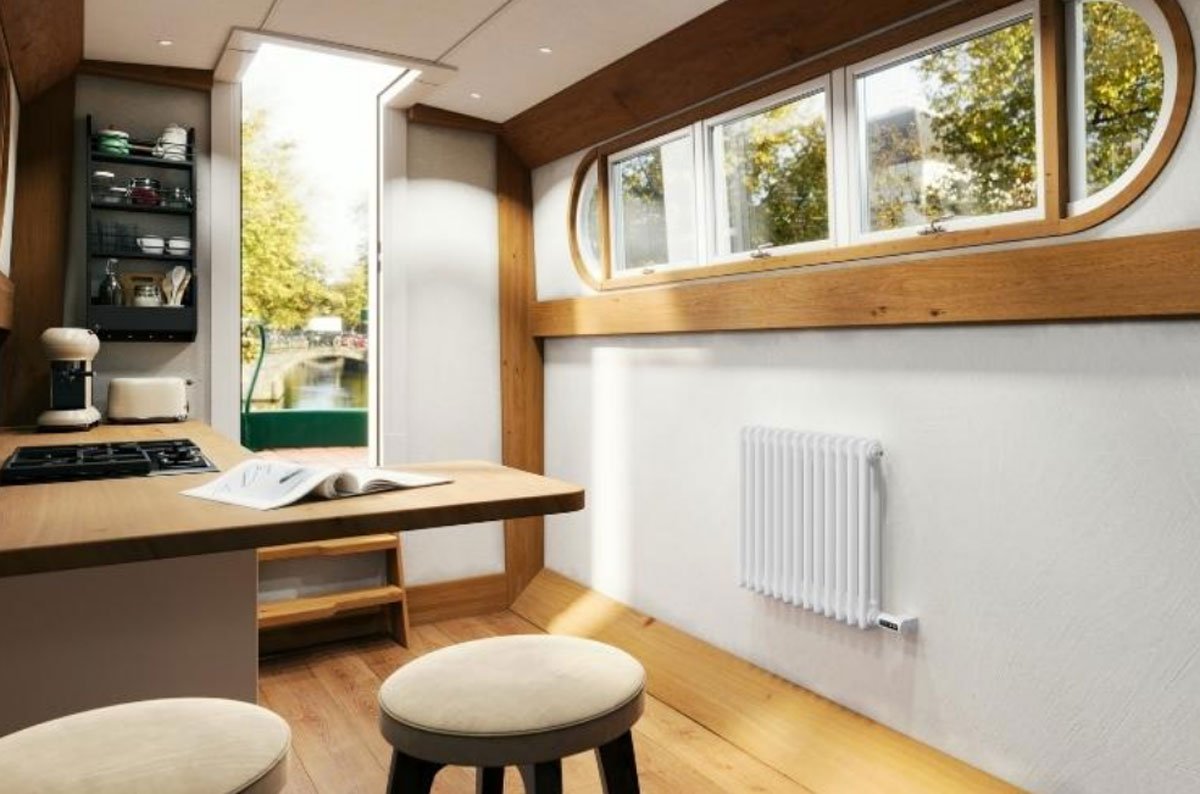
Image from UK Radiators
Interior design has shifted noticeably over the past decade. Modern interiors prioritise clean lines, intentional layouts, and fixtures that feel considered rather than incidental. Within this context, even practical elements such as heating are being reassessed. For property owners, developers, and renovators, the challenge lies in balancing comfort with aesthetics. Heating remains essential, but bulky or outdated fixtures can disrupt carefully planned interiors.
This post explores how modern heating choices can support interior design goals, particularly in properties aimed at buyers or renters who expect both comfort and style. By understanding how heating fits into broader design decisions, you can create spaces that feel cohesive, efficient, and well-suited to modern living.
The Role of Heating in Contemporary Interior Design
In contemporary interiors, every visible element contributes to the overall impression of a space. Flooring, lighting, furniture, and wall finishes are selected intentionally, and heating fixtures are not left behind. Instead of being hidden away or tolerated, they’re expected to complement the surrounding design.
Modern interiors often favour open-plan layouts, neutral colour palettes, and uncluttered walls. Traditional radiators, which are often bulky and visually prominent, can disrupt these design principles. As a result, many designers and homeowners now consider heating at the same planning stage as lighting or storage, rather than as an afterthought.
It’s easier to maintain the visual flow if you choose heating solutions that align with the room’s proportions and materials. Slimline profiles, vertical formats, and understated finishes allow heating to sit comfortably within the space, supporting rather than competing with the interior design.
If you want to refine your interiors, the UK Radiators website offers modern heating options designed to keep your home warm without compromising your layout or style. Exploring contemporary options allows heating to support the room’s function while remaining visually discreet.
Why Minimalism Has Influenced Heating Choices
Minimalism has had a lasting influence on residential design, particularly in homes aimed at modern buyers. This approach values simplicity, functionality, and the careful editing of visual elements. In minimalist interiors, anything that appears unnecessary or overly complex can feel out of place.
Heating solutions have evolved in response to this mindset. There’s greater emphasis on clean silhouettes, smooth surfaces, and finishes that blend into walls or echo other design features. The goal isn’t to draw attention to the heating itself, but to ensure it doesn’t detract from the overall aesthetic.
This approach is especially relevant in properties where space is at a premium or where natural light and views are key selling points. A lighter, more visually transparent heating solution can help maintain openness, making rooms feel larger and more balanced without sacrificing comfort.
Materials, Finishes, and Visual Cohesion
One of the most effective ways to integrate heating into a contemporary interior is through careful selection of materials and finishes. Just as homeowners coordinate metals, wood, and textures across fixtures and fittings, you can choose heating elements that align with the same palette.
Neutral finishes, such as white, anthracite, and soft metallic tones, work well in modern interiors because they complement a wide range of colour schemes. In more design-led spaces, heating can also be used to echo architectural features, such as exposed concrete, matte-black window frames, or brushed-steel accents.
This level of coordination helps heating feel intentional rather than imposed. In many cases, the result is a room where the eye moves naturally from one element to the next, without interruption from a fixture that feels stylistically out of place.
Integrating Heating Solutions Without Disrupting Layouts
Beyond appearance, the placement of heating plays a significant role in how a space functions. Contemporary interiors often rely on flexible layouts, with furniture arrangements that can adapt to different uses. Heating solutions that limit wall space or dictate furniture placement can undermine this flexibility.
Design-led heating options address this issue by offering alternative formats, such as vertical installations or compact profiles. These can be positioned in narrower wall sections or areas that might otherwise be underused, preserving prime wall space for furniture, artwork, or glazing.
Heating as Part of a Holistic Property Upgrade
When upgrading a property, it’s tempting to focus on highly visible changes such as kitchens, bathrooms, or flooring. While these elements are important, heating can have a similarly significant impact on how a space is perceived, particularly by discerning buyers or tenants.
A thoughtfully chosen heating solution signals attention to detail. It suggests that the property has been considered as a whole, rather than updated piecemeal. In contemporary interiors, this holistic approach often resonates more strongly than isolated design features.
Modern heating can also complement other upgrades, such as improved insulation, updated glazing, or smart home features. Together, these elements contribute to a sense of quality and cohesion that enhances the overall appeal of the property.
Considering International Buyers and Design Expectations
For properties marketed to international audiences, design expectations can be particularly nuanced. Buyers may be accustomed to certain standards of comfort and aesthetics, shaped by their experiences in other markets. Heating solutions that feel outdated or intrusive can subtly undermine an otherwise well-presented interior.
Design-led heating helps bridge this gap by aligning with widely recognised contemporary design principles. Clean lines, restrained finishes, and flexible placement tend to translate well across different cultural contexts, making properties feel familiar and appealing to a broader audience.
In this way, heating becomes part of the property’s narrative. Instead of being a purely functional necessity, it contributes to the impression of a modern, well-considered home that meets both practical and aesthetic expectations.
Conclusion
Design-led heating solutions play a quiet but important role in contemporary interiors. By aligning heating choices with broader design principles, property owners can create spaces that feel cohesive, comfortable, and visually balanced. The shift towards minimalist forms, coordinated finishes, and flexible placement reflects a wider understanding that every element in a home contributes to its overall character.
If you’re updating or preparing properties for modern markets, considering heating as part of the design process can yield meaningful benefits. It supports layout flexibility, reinforces aesthetic intent, and signals a level of care that today’s buyers and renters increasingly value. In contemporary interiors, warmth and design no longer need to exist separately; when approached thoughtfully, they can work together to define the space.