

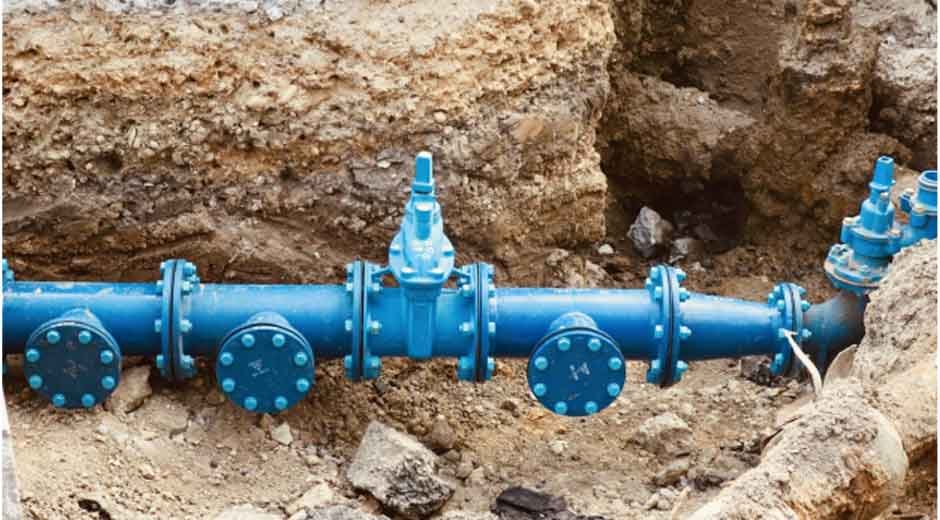
How Seasonal Changes Affect Plumbing and Water Systems in Homes
Weather shifts can surprise your plumbing. Temperature swings change water pressure, soil moves around buried lines, and extra rainfall strains drains. With a few seasonal habits, you can keep water flowing and avoid costly emergencies.
Winter: Freezing Temps And Burst Risk
Cold snaps chill pipes in exterior walls, crawl spaces, and garages. Plumbers from First Choice Plumbing say that the danger rises when water sits still in uninsulated lines, which can expand and crack fittings mid-freeze. A slow drip on the coldest nights, plus pipe insulation and sealed wall gaps, lowers the odds of a break.
Watch the main shutoff and know how to reach it fast. If a faucet slows to a trickle, open the cabinet doors to let warm air in and leave the tap slightly running. After a freeze, listen for hissing and look for damp drywall or warped baseboards that signal a hidden leak.
Spring: Heavy Rains And Groundwater Swings
Melting snow and seasonal storms push a lot of water into the soil. That pressure can send groundwater into basements through hairline cracks or poorly sealed penetrations.
Sump pumps work hardest now, so test yours with a bucket pour and confirm the float switch moves freely.
Gutters and downspouts matter as much as pumps. Keep them clear and aim extensions 1 to 2 meters away from the foundation so roof runoff does not cycle back into your basement. If your area floods, add a check valve to lower sewer backflow risk during big surges.
- Test GFCI outlets around pumps and outdoor receptacles
- Clean yard drains and curb cuts clogged by winter debris
- Inspect hose bibs for cracks from unnoticed freezes
- Schedule a camera check if you had backups last year
Summer: High Demand, Odors, And Water Quality
Hot weather and guests can strain supply lines and water heaters. Long showers and outdoor hoses increase demand, which can expose weak fittings and old rubber washers.
Heat accelerates bacterial growth in traps, unused fixtures, and irrigation lines, which may cause sulfur odors or a musty taste.
Give your water heater a quick flush to clear sediment that builds faster with heavy use. Run seldom-used fixtures for a minute each week to refresh traps and keep odors down. Outdoors, check irrigation heads for leaks that create soggy spots and attract pests.
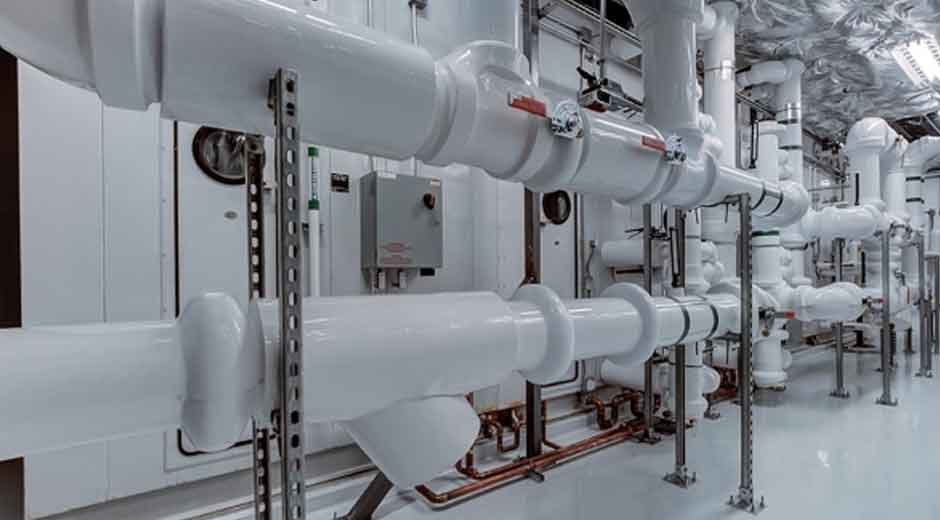
Fall: Prep Work That Prevents Winter Emergencies
Autumn is your reset season. Insulate exposed pipes in attics and garages, and drain outdoor hose lines before the first frost. Clean sediment filters and replace worn supply hoses on washing machines and ice makers so they are not the weak link when temperatures drop.
Think about pressure and expansion. A failing pressure-reducing valve or a missing expansion tank can stress fixtures when cold air contracts lines and the water heater cycles more often.
Have a pro test static pressure at a hose bib and verify thermal expansion is controlled to protect valves and seals.
Good plumbing is about rhythm as much as repair. Seasonal checks keep small issues from turning into soaked floors and sleepless nights. With a little maintenance and timely upgrades, your home’s water systems can handle heat, storms, and freezes without drama.