

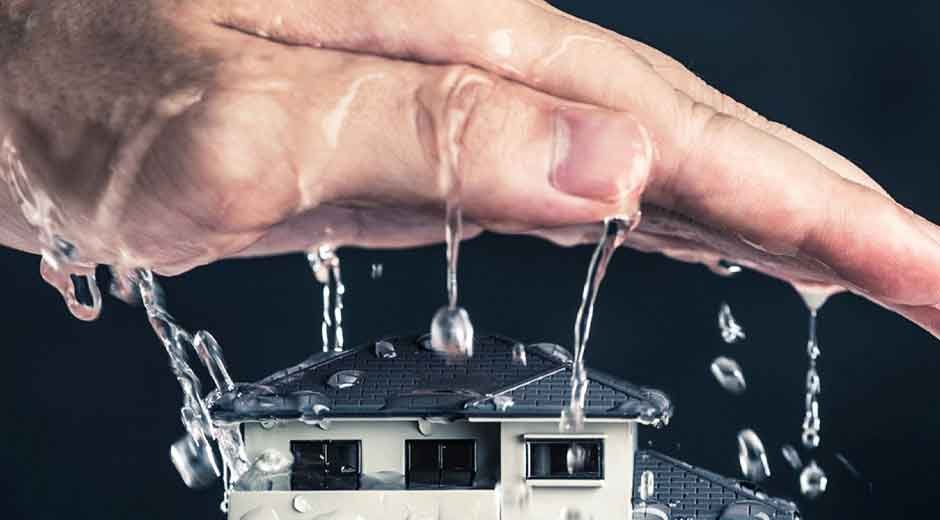
How to Protect Your Home From Water Damage
Water damage stands as one of the most expensive and heartbreaking problems a homeowner can face. It doesn’t just threaten your property’s structural integrity, it can destroy treasured belongings and create dangerous mold conditions that linger for years. Protecting your home from water intrusion isn’t about implementing a single solution; it’s about understanding the multiple weak points throughout your property and addressing them systematically. When you combine smart preventive measures with consistent vigilance, you’ll dramatically reduce the risk of water-related disasters.
Understanding Common Sources of Water Damage
Water finds its way into homes through surprisingly diverse pathways, which is why recognizing the most common culprits becomes so important. Heavy rainfall during severe weather can quickly overwhelm drainage systems and exploit any weakness in your home’s exterior defenses. Plumbing failures, burst pipes, leaking water heaters, malfunctioning washing machine hoses, account for a huge percentage of water damage insurance claims. But that’s not all you need to watch for.
Maintaining Your Roof and Gutters
Your roof system serves as your home’s primary shield against water coming from above, making proper maintenance absolutely non-negotiable. Regular inspections should catch missing, damaged, or deteriorating shingles before they allow moisture to penetrate into underlying structures. The flashing around chimneys, vents, and skylights deserves careful examination too, these transition points frequently develop leaks when sealants break down or metal components start corroding. When storm damage or aging materials compromise your roof’s integrity, professionals who need to perform roofing repair can assess vulnerabilities and address issues before minor leaks turn into major water intrusion problems. Gutters and downspouts play an equally critical role by channeling water away from your foundation and preventing overflow that damages siding, windows, and landscaping. Cleaning gutters at least twice a year removes leaves, debris, and sediment that block proper water flow and create standing water conditions. Make sure downspouts extend at least five to ten feet from your foundation, this directs water to safe drainage areas rather than letting it saturate the soil right next to your basement walls. Installing gutter guards reduces maintenance requirements while preventing clogs, and checking everything after severe weather helps you catch damage before small issues snowball into major headaches.
Protecting Your Foundation and Basement
Foundation waterproofing represents an investment that pays dividends by preventing groundwater intrusion and protecting the structural elements supporting your entire home. The grading around your foundation should slope away at roughly six inches over the first ten feet, directing surface water away from vulnerable basement walls. Applying waterproof sealants to foundation walls creates an extra barrier against moisture penetration, while installing or maintaining proper drainage systems like French drains helps manage groundwater levels effectively. Inside your basement, waterproofing measures include running dehumidifiers to control humidity and prevent condensation, sealing floor cracks with hydraulic cement or epoxy compounds, and installing sump pumps with battery backup systems to remove any water that accumulates.
Implementing Proper Drainage Solutions
Comprehensive drainage management goes well beyond gutters and downspouts, it encompasses your entire property’s ability to handle water runoff effectively. Your yard grading needs evaluation to ensure water flows away from structures instead of pooling near foundations or creating saturated areas that promote settlement. Installing French drains, channel drains, or dry wells in problem areas provides pathways for excess water to disperse safely into lower, lying areas or underground drainage systems. Consider permeable paving options for driveways and walkways that allow water absorption rather than creating impermeable surfaces that increase runoff volume.
Monitoring and Maintaining Plumbing Systems
Your interior plumbing systems need consistent attention to prevent leaks, bursts, and other failures that can release substantial water volumes into living spaces within minutes. Regularly inspecting visible pipes, connections, and fixtures helps you spot corrosion, mineral buildup, or small leaks before they escalate into emergencies. Water heaters should be flushed annually to remove sediment accumulation, and pressure relief valves need testing to ensure they’ll function properly in case of thermal expansion. Installing water leak detection devices near water heaters, under sinks, behind washing machines, and near other water-using appliances provides early warning of problems and can automatically shut off water supply when leaks are detected.
Utilizing Technology and Smart Home Devices
Modern technology offers increasingly sophisticated tools for detecting and preventing water damage before it wreaks havoc on your property. Smart water sensors placed in vulnerable locations transmit alerts to your smartphone when moisture is detected, enabling immediate response even when you’re miles away from home. Whole-home water monitoring systems track usage patterns and can automatically shut off supply when anomalies suggest leaks or unusual consumption. Through smart home integration, these systems work in concert with other devices, triggering alarms, activating ventilation fans, or sending notifications to emergency contacts when problems arise.
Conclusion
Protecting your home from water damage requires a comprehensive approach that combines proactive maintenance, strategic improvements, and vigilant monitoring to address vulnerabilities throughout your property. By understanding common water intrusion sources, maintaining critical systems like roofs and gutters, implementing proper drainage solutions, and leveraging modern detection technology, you can dramatically reduce your exposure to water-related disasters. Regular inspections, timely repairs, and systematic upgrades transform water damage prevention from reactive crisis management into a manageable aspect of responsible homeownership. The investment in preventive measures invariably proves far more cost-effective than addressing the extensive damage, health hazards, and disruption that result from water infiltration.