

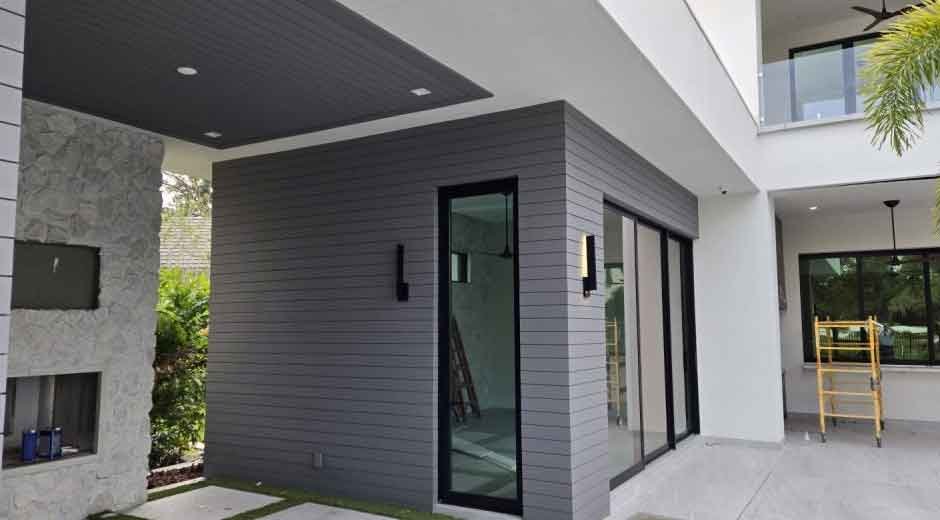
Material Choices That Protect Buildings in Coastal Climates
Building in coastal climates presents unique challenges. The combination of salty air, high humidity, and strong winds can quickly degrade materials that perform well inland. Selecting the right materials from the outset is essential to ensure the longevity and structural integrity of a building. From metals to wood treatments, every choice matters when safeguarding coastal properties.
Understanding the Coastal Environment
Coastal environments are notoriously harsh on construction materials. Salt-laden winds accelerate corrosion, moisture encourages rot, and UV exposure can break down finishes faster than in other regions. Builders must consider these factors carefully during the design and material selection process. Choosing resilient materials not only protects the building but also reduces maintenance costs over time, ensuring the property remains safe and attractive for years.
Metals That Withstand Corrosion
When it comes to metal components in coastal structures, corrosion resistance is paramount. Stainless steel, aluminum, and galvanized steel are excellent options. Stainless steel, in particular, offers superior resistance to rust, even in salty, humid conditions. Using stainless steel fasteners, such as 150mm screws, ensures that critical joints and connections remain strong despite constant exposure to corrosive elements. Investing in high-quality metal fasteners during the initial construction phase can prevent costly replacements in the future.
Treated and Engineered Wood
Wood is a popular choice in coastal architecture due to its natural beauty and versatility. However, untreated timber can quickly succumb to rot and insect damage in a coastal environment. Pressure-treated wood and naturally durable species such as cedar, redwood, or teak offer enhanced resistance to moisture and pests. For structural elements, engineered wood products like laminated beams provide additional stability while reducing the risk of warping or splitting under fluctuating humidity levels. Proper sealing and maintenance further extend the lifespan of wooden components.
Concrete and Masonry Solutions
Concrete and masonry are inherently durable materials, but they still require consideration in coastal areas. Using high-performance concrete with low permeability helps prevent saltwater intrusion, which can corrode embedded steel reinforcement. Similarly, applying protective sealants to masonry surfaces can reduce moisture absorption and limit surface erosion caused by wind-driven sand and rain. Design considerations, such as elevated foundations and adequate drainage, complement material choices by reducing exposure to standing water.
Protective Coatings and Finishes
No matter how robust a material is, protective coatings play a vital role in extending its life in coastal climates. Corrosion-resistant paints, weatherproof stains, and sealants form a barrier against moisture, UV rays, and salt. Regular inspection and maintenance of coatings ensures that the building’s surfaces continue to repel damaging elements. Choosing finishes compatible with the base materials maximizes protection and maintains aesthetic appeal.
The Importance of Thoughtful Fasteners
Even with the best materials, the right fasteners are critical to structural integrity. Coastal conditions can loosen or corrode standard nails and screws, compromising stability. Stainless steel screws and other corrosion-resistant fasteners provide the necessary strength to keep panels, beams, and fixtures secure over time. By selecting fasteners designed for harsh conditions, builders ensure that all components work together to withstand coastal stresses.
Conclusion
Building in a coastal climate requires foresight and careful material selection. From corrosion-resistant metals to treated wood, high-quality concrete, and protective coatings, each choice contributes to a building’s durability. Incorporating robust fasteners ensures that every connection remains strong despite environmental pressures. With the right materials and attention to detail, coastal buildings can remain resilient, safe, and visually appealing for decades.