

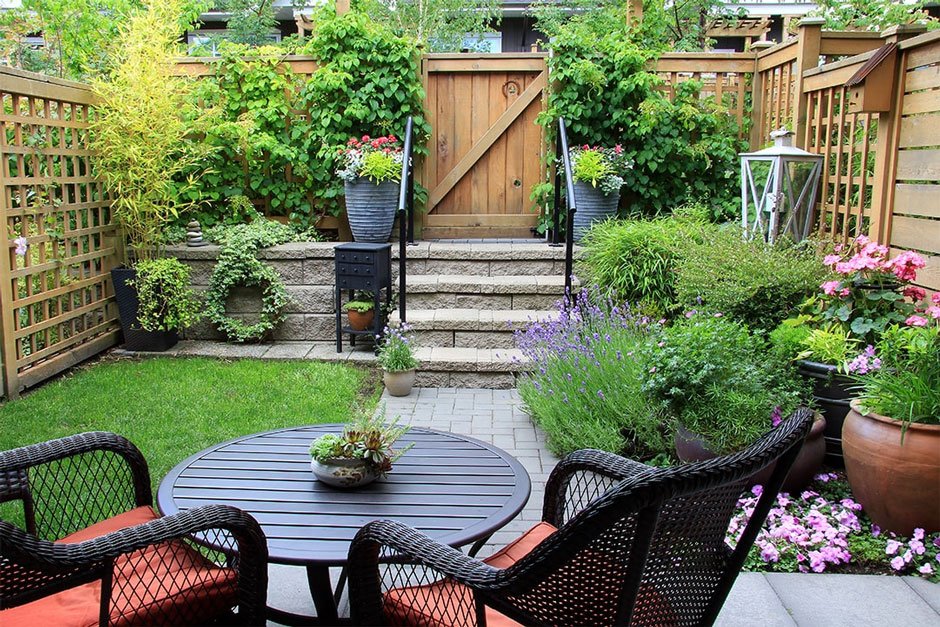
Protecting Outdoor Spaces: Smart Ways Homeowners Preserve Land, Gardens, and Property Value
Outdoor space has become one of the most valuable extensions of a home. Gardens, landscaped yards, and open land are no longer seen as optional extras; they shape daily living, influence buyer perception, and contribute directly to long-term property value. For many homeowners, especially those with larger plots or homes near natural areas, protecting these outdoor spaces is just as important as maintaining the interior.
Without thoughtful planning, outdoor investments can quietly deteriorate. Wildlife activity, shifting weather patterns, and simple wear and tear can undo years of landscaping work in a single season. A proactive approach to outdoor protection helps homeowners preserve the function, appearance, and value of their property while reducing long-term maintenance costs.
Why Outdoor Protection Is a Core Part of Property Care
Your outdoor spaces see a lot of environmental damage. Sun, wind, heavy rain, and temperature changes all affect soil stability and plant health over time. Unlike interior spaces, these areas rarely benefit from quick fixes, which means prevention plays a much larger role than repair.
As outdoor living becomes more popular, the cost of replacing damaged landscaping continues to rise. Mature plants, irrigation systems, and hardscape features represent a significant investment. Protecting them from preventable damage is one of the simplest ways homeowners can safeguard the money and effort already poured into their property.
Common Threats to Gardens and Land
Many homeowners underestimate how quickly outdoor spaces can be compromised. Soil erosion, compacted ground, and repeated foot traffic slowly weaken garden beds and lawns. Over time, these issues affect drainage, plant growth, and overall appearance.
Wildlife presents another major challenge. In areas near wooded land or open countryside, animals such as deer and rabbits can strip gardens bare in days. Temporary deterrents may help briefly, but animals often adapt. This is why many homeowners begin researching more reliable solutions that address the root of the problem rather than masking it.
Designing Outdoor Spaces for Longevity
Good outdoor design focuses on durability as much as aesthetics. Walkways, raised beds, and defined planting zones help control movement and reduce unnecessary wear. Choosing materials designed to withstand weather exposure also plays a key role in how well a space ages.
For properties exposed to consistent wildlife pressure, planning ahead is essential. In those situations, using barriers can be a part of your broader landscape strategy to protect your garden from wildlife damage. This way, you can take a preventative approach rather than a reactionary one. often become part of a broader landscape strategy, rather than something homeowners wait to address after repeated losses.
Setting Boundaries That Blend Into the Landscape
One of the biggest concerns homeowners have about outdoor protection is appearance. There is a common fear that boundaries will make a property feel closed off or visually harsh. Fortunately, modern protection options are subtle and adaptable.
When boundaries are scaled correctly to the property, they often enhance structure rather than detract from it. Clean lines, thoughtful placement, and integration with natural features allow protective elements to blend seamlessly into the landscape while still serving a clear purpose.
Landscaping Choices That Reduce Damage Over Time
Plant selection has a significant impact on how resilient a garden becomes. Native and climate-adapted plants typically require less intervention and recover more quickly from stress. Their deeper root systems also help stabilize soil and reduce erosion.
Layered landscaping further strengthens outdoor spaces. Ground cover, shrubs, and taller plantings work together to limit access points and reduce exposure. This approach not only improves visual depth but also creates natural barriers that protect vulnerable areas of the garden. For example, understanding how to overwinter Lantana ensures this vibrant flowering plant survives colder months, maintaining color and structure in your garden year after year.
Managing Wildlife Responsibly
Protecting outdoor spaces does not mean eliminating wildlife from the surrounding environment. Responsible management focuses on discouraging intrusion without disrupting natural ecosystems. Clear boundaries and consistent deterrents help establish predictable patterns that animals learn to avoid.
Most homeowners find that relying on a single method is rarely effective. Visual deterrents may lose impact, while scent-based options fade over time. Combining these approaches with physical boundaries creates a more dependable system, particularly in regions with regular wildlife activity.
Outdoor Protection and Property Value
From a real estate perspective, outdoor condition plays a growing role in buyer decision-making. Well-maintained gardens and clearly defined land boundaries signal that a property has been cared for holistically. This can increase buyer confidence and reduce concerns about future maintenance.
On the other hand, visible damage or neglected outdoor areas often raise red flags. Buyers may factor in the cost of repairs or ongoing issues when making offers. Proactive outdoor protection helps preserve not only usability but also perceived value during resale.
Making Outdoor Protection Part of Ongoing Maintenance
Like any part of a home, outdoor protection works best when you review it regularly. Seasonal changes, plant growth, and evolving wildlife behavior can all affect how well existing measures perform. Periodic assessments help homeowners stay ahead of potential problems.
Adjusting boundaries, reinforcing vulnerable areas, and updating landscaping plans ensure that protection strategies evolve alongside the property. This approach reduces the likelihood of sudden damage and spreads maintenance costs more evenly over time.
Balancing Comfort, Function, and Openness
Adequate outdoor protection should support how homeowners actually use their space. Gardens should remain accessible, views should stay open, and outdoor areas should feel inviting rather than restrictive. Overly aggressive measures can undermine comfort just as much as insufficient protection leads to frustration.
Thoughtful planning allows homeowners to strike a balance. Clear sightlines, natural transitions, and integrated boundaries make it possible to protect outdoor investments while preserving the sense of openness that makes these spaces enjoyable.
A Long-Term Approach to Outdoor Property Care
Protecting outdoor spaces is ultimately an exercise in foresight. Instead of reacting to damage after it occurs, homeowners who plan ahead protect both their investment and their peace of mind. By understanding risks, designing for longevity, and incorporating protection into routine maintenance, outdoor areas remain assets rather than liabilities.
As gardens and outdoor living spaces continue to influence how properties are valued and enjoyed, the importance of proactive protection will only increase. A strategic, well-integrated approach ensures that land, gardens, and outdoor features continue to enhance a home for years to come.