


Stop Shivering: Simple, Affordable Ways to Winterize Your Home
There is nothing worse than stepping out of bed on a chilly morning and putting your feet on a cold floor. As winter approaches, that creeping chill isn’t just uncomfortable—it is expensive. Every draft you feel represents warm air escaping and your heating system working overtime to compensate. For many homeowners, the thought of “winterizing” sounds like an expensive renovation project involving contractors and massive bills.
Sealing Drafts: The First Line of Defense
Before you worry about your furnace or insulation, you need to address the holes in your home’s envelope. Think of your house like a winter coat. If you leave the zipper down, it doesn’t matter how thick the wool is; you are still going to be cold. Small gaps around windows and doors are responsible for a significant amount of heat loss.
Finding the Leaks
You might not see them, but you can certainly feel them. To identify where air is escaping, try the “candle test.” On a windy day, carefully hold a lit candle or incense stick near window frames and door jams. If the smoke flutters or drifts horizontally, you have found a draft.
Weather Stripping and Caulk
Once you have identified the problem areas, the fix is usually cheap and easy.
- Weather Stripping:This is ideal for movable components like doors and operable windows. Self-adhesive foam or V-strip weather stripping can be applied to the sides and bottom of a door or window sash to create a tight seal when it closes.
- Caulking:For stationary gaps, such as the cracks between a window frame and the siding, use exterior-grade caulk. Inside, use silicone or acrylic latex caulk to seal gaps around trim.
For the bottom of exterior doors, installing a simple door sweep can stop cold air from rushing in across the floor. These rubber or bristle strips attach to the bottom of the door and create a barrier against the threshold.
Insulating Your Home: Keeping the Heat In
After sealing the air leaks, the next step is ensuring your home retains the heat you generate. Insulation acts as a thermal barrier, slowing down the rate at which heat flows out of your house. While re-insulating whole walls can be a major project, topping up specific areas is very manageable.
The Attic
Since heat rises, a poorly insulated attic acts like a chimney, sucking warm air right out of your house. If you can see the floor joists in your attic, you likely don’t have enough insulation. Adding fiberglass rolls or loose-fill cellulose over existing insulation is one of the highest ROI (Return on Investment) projects you can do. It keeps the heat in the living quarters below.
Basements and Crawl Spaces
Cold floors often result from uninsulated basements or crawl spaces. Insulating the rim joist—the area where the wood frame of the house sits on the concrete foundation—can make a huge difference. Rigid foam board cut to size and sealed with spray foam is an excellent way to treat this area.
Walls
If your walls feel cold to the touch, you might lack proper insulation. While this is harder to fix without opening walls, you can use specialized foam gaskets behind electrical outlet covers and switch plates. These small foam pads are incredibly cheap and stop drafts from entering through electrical boxes on exterior walls.
Protecting Pipes and Roof
Winterization isn’t just about comfort; it is about preventing catastrophic damage. Water expands when it freezes, which can turn a small copper pipe into a burst fountain and cause thousands of dollars in water damage.
Insulate Your Pipes
Identify any pipes that run through unheated areas, such as a garage, crawl space, or near exterior walls. Wrap them in foam pipe insulation tubes. These are pre-slit, making them easy to slip over the pipe, and they usually cost very little per foot. For outdoor faucets, shut off the water supply from the inside and open the outdoor valve to drain it. You can also install insulated faucet covers for extra protection.
Roof Protection
Your roof takes a beating during winter. Heavy snow accumulation can lead to ice dams—ridges of ice that form at the edge of a roof and prevent melting snow from draining. This water can back up under shingles and leak into your home.
Ensure your gutters are clean before the first snow falls so water can drain freely. If you live in an area with heavy snowfall and have a sleek, modern roof, consider installing a Snow Guard for metal roofing. These devices prevent large sheets of snow and ice from sliding off the roof all at once, which can damage gutters, landscaping, or even injure people below. They help manage the snow load safely and effectively.
Maintaining Your Heating System
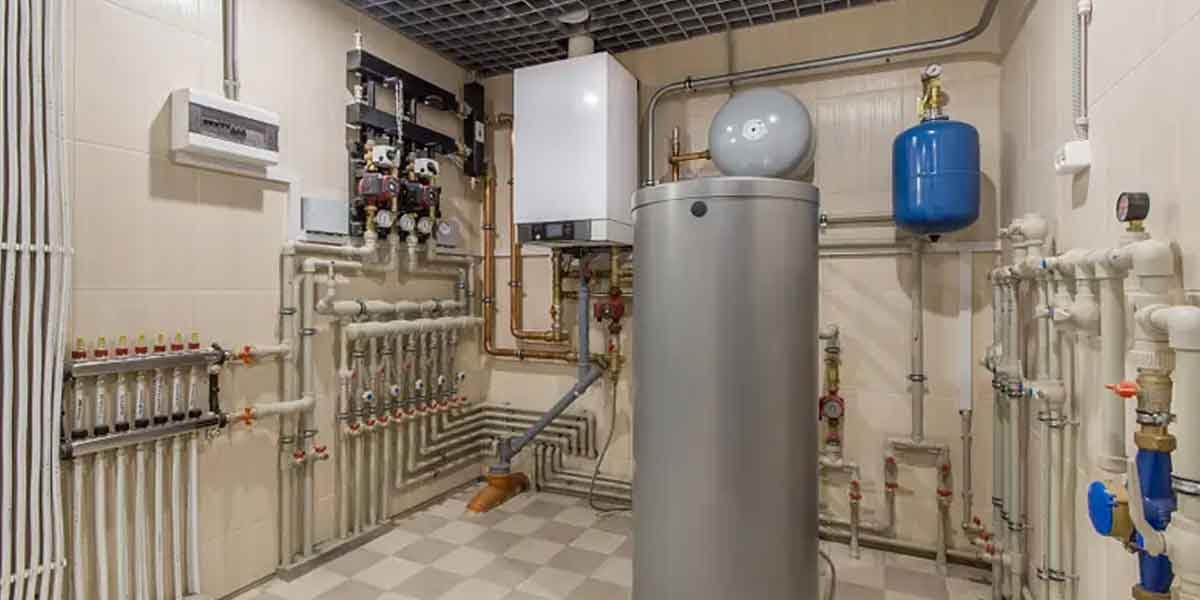
Your furnace or boiler is the heart of your home during winter. If it isn’t running efficiently, you are paying for heat you aren’t getting. Neglecting maintenance can also lead to breakdowns on the coldest night of the year.
Change the Filters
This is the single easiest thing you can do to maintain your HVAC system. A clogged filter restricts airflow, forcing the system to work harder and use more energy. Check your filter every month during winter and replace it when it looks dirty—usually every 90 days.
Schedule a Tune-Up
While you can change a filter yourself, you should hire a professional to inspect the system annually. They can clean the burners, check for carbon monoxide leaks, and ensure the blower is working correctly. This small annual cost can prevent expensive emergency repairs later.
Programmable Thermostats
If you are still using a manual dial thermostat, it is time to upgrade. A programmable or smart thermostat allows you to lower the temperature automatically when you are asleep or away at work. Lowering your thermostat by just 7-10 degrees for 8 hours a day can save you up to 10% a year on heating and cooling.
Frequently Asked Questions
When is the best time to start winterizing?
Ideally, you should start in early autumn before the first frost. This gives you time to caulk windows (which often requires temperatures above 40°F/4°C to cure properly) and ensures your heating system is ready before you actually need it.
Is it worth winterizing if I rent my home?
Absolutely. Many steps, like using draft stoppers (door snakes), applying window insulation film, and changing furnace filters, are reversible and low-cost. They will save you money on utilities and keep you comfortable without violating your lease.
How do I know if I have ice dams?
Look for icicles forming on the edge of your roof or gutters. While they look pretty, large icicles usually indicate that heat is escaping from your attic, melting the snow on the roof, which then refreezes at the cold eaves.
Conclusion
The effort you put in now pays dividends all season long. You will enjoy a warmer living space, lower utility bills, and the peace of mind that comes from knowing your home is protected against the elements. Grab your caulk gun, check your filters, and get your home ready for whatever winter throws your way.