

What Innovative Approaches Help Increase Property Resilience Against Flooding?
Stop Relying on Sandbags
We need to talk about the reality of water. It always wins. I get calls every wet season from homeowners panicking because the Bureau of Meteorology just issued another severe warning. They spend an entire weekend breaking their backs filling sandbags. Then the creek rises. The sandbags do absolutely nothing.
I watched exactly this happen during the 2022 floods up in Lismore and Brisbane. Sandbags are a bandaid on a bullet wound. We need to stop pretending temporary fixes will save a quarter of a million dollar renovation. The State Emergency Service (SES) does an amazing job, but they are not your personal property protectors. You want real protection? You have to build it into the bones of the property. Hope is not a strategy. Engineering is.
Elevate the Right Way
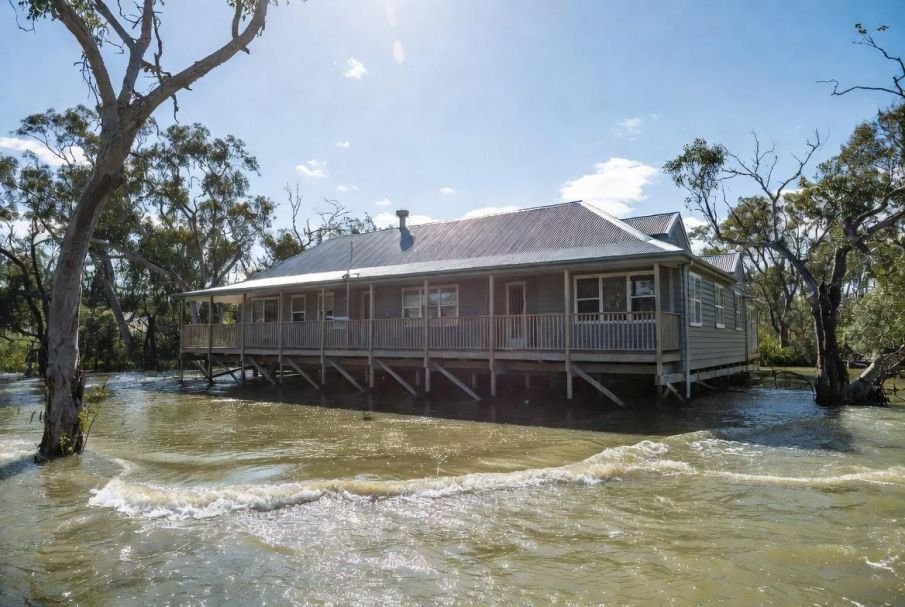
The classic Queenslander home had it right a hundred years ago. Put the house on stilts. Let the water flow underneath. We got incredibly lazy in the nineties. We started building heavy brick and tile homes on concrete slabs right in the middle of active flood plains. Huge mistake.
If you live in a flood zone, elevation is your best friend. I recently worked with a client in an inner Brisbane suburb who was sick of replacing their carpets. We jacked the entire timber frame house up by 2.5 metres. We secured it on heavy steel posts. The job cost them exactly $85,000. Eight months later the river broke its banks and put two metres of dirty brown water through their street.
Every single neighbour on a concrete slab lost everything. My client lost a rusty lawnmower and had to hose down some muddy steel columns. That $85,000 investment saved them easily $300,000 in repair costs and years of insurance headaches. Do the math. It makes absolute sense.
Wet Floodproofing is Actually Brilliant
People think floodproofing means building a watertight bunker. Good luck with that. The hydrostatic pressure of a rising flood will literally crack your brick walls if you try to seal a house completely. The water wants to get in. Let it.
The smart approach is wet floodproofing. You invite the water inside. You just make sure it ruins absolutely nothing.
How do we actually do this? First, rip up the carpet. Carpet in a flood zone is just an expensive future landfill. Polished concrete or heavy duty commercial tiles are the only way to go. Next, look at your walls. We strip out the standard paper faced plasterboard on the lower levels. We replace it with water resistant fibre cement sheeting. You leave a small gap at the bottom behind a removable skirting board so the wall cavity can breathe and dry out.
Then we move all the power points, switchboards, and hot water systems at least one metre above the local council flood line. When the water inevitably comes inside, it hits concrete and waterproof walls. You wait for the water to recede. You grab a high pressure hose. You wash the mud straight out the front door. You wipe it down with bleach and plug the fridge back in.
Landscaping for Water Control
Your yard should work for you. Right now, it probably works against you. Most modern Australian blocks are covered in concrete driveways and massive roofs. The rainwater hits these hard surfaces and immediately runs straight towards the lowest point. That low point is usually your living room. We need to slow the water down and give it somewhere else to go.
I tell every client to rip up those massive concrete slabs in their backyard. Replace them with permeable paving. Put down gravel pathways that actually absorb water. Build a proper swale drain system that channels heavy rainfall away from your foundation and out to the street.
Good landscaping is a massive part of effective natural disaster mitigation. It is not just about planting a few nice native bottle brushes. It requires proper earthwork. You need to grade the soil away from your external walls. Give the deluge a clear and unobstructed path right past your property.
Sometimes You Have to Start Fresh
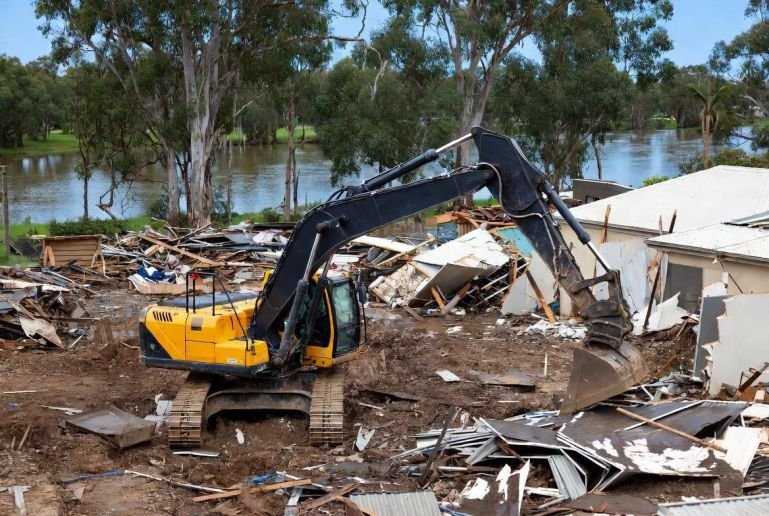
I hate telling people this. Sometimes a house is just beyond saving. If you bought an old brick veneer home sitting in a designated floodway, no amount of clever landscaping or waterproof paint will save you from the next La Nina cycle. The water will sit in the wall cavities. It will rot the timber frame. It will breed toxic black mold that makes your kids sick.
The last time I dealt with a property like this, the owners had already rebuilt their ground floor twice in ten years. They were exhausted and broke. I told them to stop throwing good money after bad. We brought in a local Demolition Contractor to level the entire block. We wiped the slate clean.
Then we built a brand new, purpose built elevated home right in the middle of the block. Was it cheap? No. But they finally sleep through a heavy storm. Sometimes the most innovative thing you can do is admit the original builders got it completely wrong and start again.
The Hard Truth About Water
Nobody wants to think about the worst case scenario until muddy water is seeping under the front door. By then it is far too late. You cannot negotiate with a flood.
You have to be proactive. Check your local council flood maps today. Find out your exact AHD (Australian Height Datum) level. Talk to a builder who actually specializes in resilience, not just someone who slaps together cheap display homes.
Make the hard choices now. Rip up the carpet. Raise the floorboards. Reroute the drainage. It takes time and it takes cash. But trust me on this. The peace of mind you get when the next super storm hits is worth every single cent.