

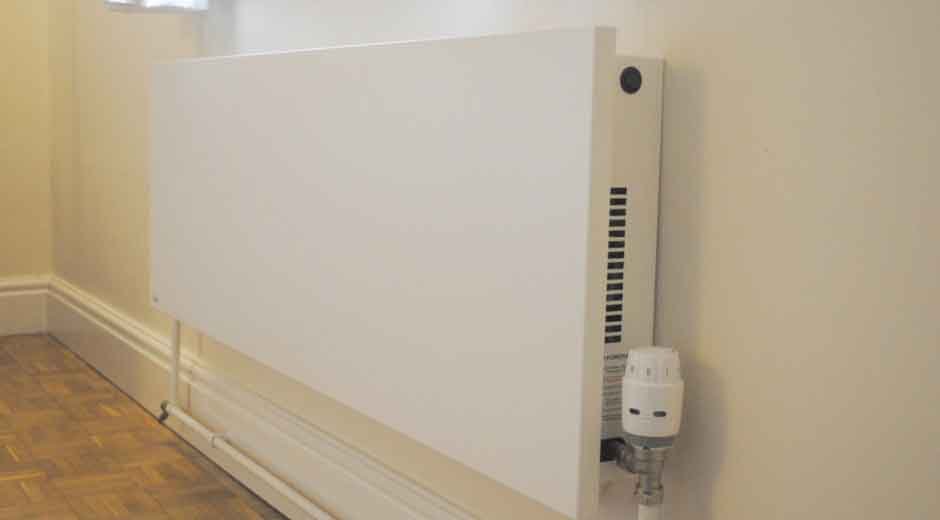
When Electric Radiators Are the Smarter Heating Choice
Electric radiators have a reputation for expensive running costs and, in some situations, that’s deserved. However, there are plenty of scenarios where they’re not merely the acceptable option but the better choice over extended central heating or what’s already there.
The question is, when do the pros outweigh the cons? Sometimes it’s financially favored, other times it’s simpler, more controllable and avoids extensive building work. Sometimes it makes sense on paper and sometimes it makes sense practically, even if a few pounds differ from energy costs.
Expansions and Extensions
Getting central heating into an extension or conservatory involves a lot of hassle. It means extending pipework. It might mean installing a new boiler (if you’re maxing out your current one). You’ll have to facilitate floors, walls or ceilings in order to get pipes from one place to another, which is where it gets costly—not just in materials but in labor and disruption.
Electric radiators require none of the above. All you need is an electric supply (which most extensions have) and a wall position. It takes hours (instead of days) to install and does not involve coordinating with your other heating system. For a one-room extension or conservatory, it’s one of the easiest to justify the need for electric heating.
Control comes into play, too. Extensions are often different from central heating. More glass, less insulation, used at different times to the main house (if used at all). An electric radiator can be outfitted with a thermostat, allowing that space to be heated in its independent areas without attempting to heat the main system for that one small change.
Rooms That Aren’t Heated Well Enough Otherwise
Sometimes rooms aren’t heated well enough by central heating even if they’re generally considered connected to the system. That spare bedroom over the garage that’s always freezing, the bathroom at the far end of the hall, the third room added onto the house with inadequate radiator placement. You can increase the size of the radiator. You can balance the radiator system better. You can extend pipes.
Or you can add an electric radiator that takes care of business.
These rooms seldom have substantial central heating radiators well placed or some other placement/explanation of insufficient heating. They’re cold for a reason—but it’s expensive to overhaul an already used radiator/piping system. Adding an Electric Radiators unit as supplemental heat allows immediate attention without even having to care about what’s existing there unless complete treatment is necessary.
Garden rooms and home offices naturally fall into this category as well. They’re detached from the house, utilized intensely for certain hours, adding central heating systems means underground piping or exterior walls. Electric heating systems allow that space to become usable year round without connecting to an extensive system.
Properties Without Gas Connections
When properties are off the gas network, this presents a completely different equation. We look to oil vs LPG vs electric storage heaters vs electric radiators. Oil systems require oil deliveries regularly plus storage tanks for weekly buys (and boiler use). LPG means similar endeavors. Electric storage heaters allow heat at night when electricity is less expensive but less control when it actually comes.
Modern electric radiators with decent controls mean when they’re on, rooms can be heated. This matters more to small houses or houses with intermittent usage over an expensive per unit cost for electricity vs LPG or oil derived systems.
Let’s be real about costs to run. Yes, electricity costs more than a unit than gas, that’s true. But modern day electric radiators boast an operating system of 100% efficiency at point of use—meaning all electricity becomes heat that actually heats up that room. With gas central heating, heat is lost in boilers, pipes and distributions. It’s not always as great a gap as simply operating costs make it sound—especially if limited heat is needed for an entire house versus all connected rooms.
Rental Properties & Temporary Situations
For landlords, it’s important to prioritize something different from what an owner would prioritize. Capital expenditure needs to be recouped over time and if major changes are needed down the line, reconsideration is easier. Implementing a new heating system or extending a current one means spending a lot on someone else’s property.
Electric radiators provide adequate heating for lower upfront costs and reduced maintenance over time.
For renters with higher bills as well, they benefit from room specific control—especially if they only live in part of a home. Heating is charged to those occupying it; an electric radiator allows people to heat their rooms only.
It’s not uncommon for rental central heating systems to be poorly calibrated or improperly sized; thus adding electric heating to problem rooms doesn’t require landlord expense or time.
It’s easy for someone who’s in a place temporarily—one year, two years—to want to upgrade their central system heat but why? An electric radiator can bring them comfort now without spending on permanent improvements they’ll never benefit from.
When It Matters Most for Control and Zoning
Some families have wildly different needs throughout the home (or even at different times). Someone who works from home needs their office warm daily. Teens want their bedroom warm late at night while parents heat elsewhere earlier in the day. Standard central heating with basic control cannot accommodate temperatures on timing.
Individual electric radiators mean individual thermostats and programmable settings—not to mention smart tech capabilities along with app controls and learning features. If an individual room operates as something that needs heat during specific times, it’s not efficient (or user-friendly) to run the entire system so one room gets what it needs.
The home office will run during work hours but not after hours; bedrooms can heat up at different times based on activity but communal spaces will need heat when people gather—heated areas should accommodate those currently occupying them—not work around entire systems for a single room’s schedule or temperature control.
Electric radiators take care of this without added expenses or complicated zoning systems down the line.
Making Sense of It
Electric radiators make sense when ease of installation, individual room control or avoidance of extensive building work outweighs higher costs of running electricity vs gas central heating systems.
They do not make sense everywhere—indeed, if your entire house is outfitted with electric radiators it will cost more than an efficient gas central heating system in most cases—but certain situations, specific rooms and certain properties where full central heating coverage does not make sense provide effective solutions for real problem areas.
It’s about what’s right for you at that time—do running costs come down lowest? Easier installation? Better control? Avoided disruption? Different situations prioritize different factors; it’s important to learn where electric heating is genuinely better so you can make your decision work best for your house instead of blanket advice that’s always looking for what’s cheapest.