

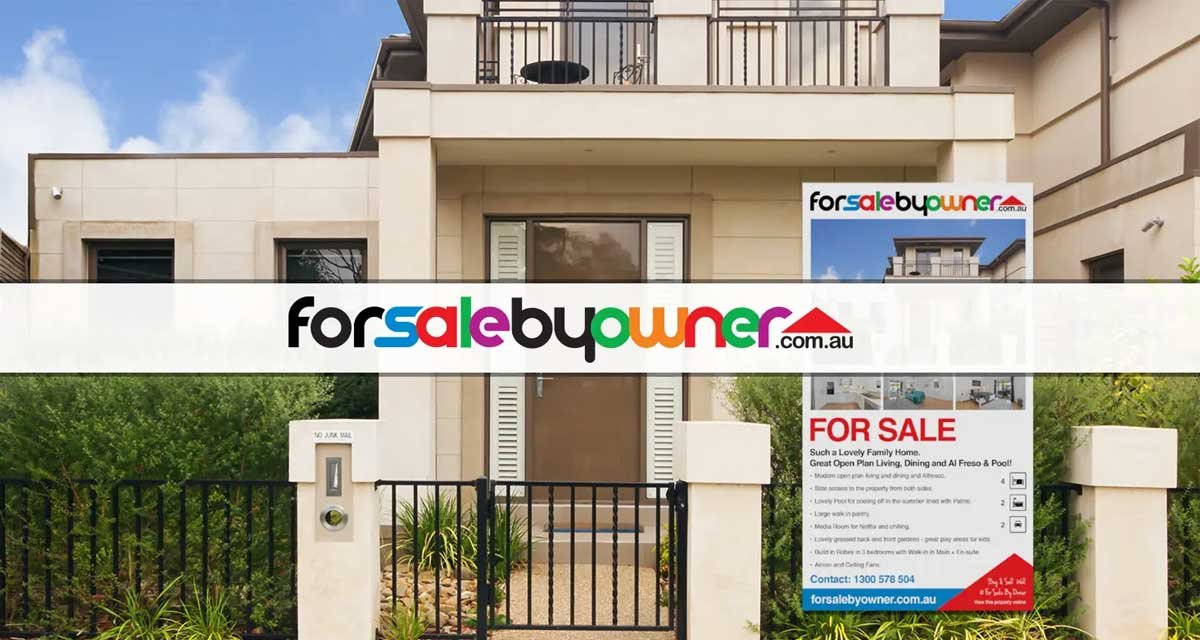
How To Sell Property Without an Agent Vs With an Agent
Selling a house is a big choice. You can sell it yourself or hire a real estate agent to help. Both ways work, but they are very different. When you sell alone, you save money on fees. But you do all the work yourself.
When you use estate agents, you pay them. But they handle everything for you. This guide will help you understand both options. You will learn about closing costs, marketing strategies, and legal requirements. By the end, you’ll know which path is right for you.
What Does Selling Real Estate Property Without an Agent Mean?
For Sale By Owner means you sell your home alone. You don’t hire a real estate agent. You become the boss of your home sale.
Many homeowners choose this route without realizing how much professional guidance they miss, which is why real estate agent recruiting often focuses on educating FSBO sellers about long-term risks.
You pick the price for your house. You take all the photos. You write the words that describe your home. You put up yard signs in your front yard.
When people call about your house, you answer. You set up times for them to see it. You show them every room. You answer all their questions.
Here’s what you handle yourself:
- Taking listing photos of your home
- Writing descriptions for the FB marketplace and other sites
- Talking to buyers who want to see your house
- Doing your own market analysis to set the price
- Finding a title company to help with paperwork
- Getting property disclosure forms ready
- Handling the purchase agreement when someone wants to buy
You keep full control. Nobody tells you what to do. But you also do all the work.
What Does Selling Property With a Real Estate Agent Mean?
A real estate agent is a trained helper. They know all about home sales. They’ve done this many times before. Your agent visits your home. They look at everything. They check other houses in your area. This is called a comparative market analysis. It helps them find the right price.

The agent might suggest home staging. This makes your house look better. They hire a professional photographer. Good photos help sell homes faster.
Your agent does these important jobs:
- List your home on the Multiple Listing Service
- Puts your house on many websites
- Creates virtual tour platforms so people can see online
- Handles all phone calls and messages
- Sets up showings with the buyer’s agent
- Uses their negotiation skills to get you more money
- Checks that all legal disclosures are correct
- Works with the title company and escrow officer
- Make sure you follow all legal requirements
The agent knows about lead-based paint disclosures. They understand closing costs and title fees. They protect you from legal mistakes.
Selling Property Without An Agent Vs With An Agent: Side-By-Side Comparison
This side-by-side comparison breaks down costs, time, pricing accuracy, marketing reach, and risk to help homeowners clearly understand the practical differences between selling independently and working with a professional agent.
| Factor | FSBO (No Agent) | With Agent |
| Cost | No commission, but you pay listing + marketing + legal/title extras | Commission cost, but many marketing/logistics are handled |
| Time | High workload (calls, showings, paperwork) | Low workload (agent manages most tasks) |
| Pricing | Higher risk of over/underpricing | CMA + local data = better price strategy |
| Marketing | Limited reach (often not MLS) | MLS + agent network + major sites = more offers |
| Risk/Negotiation | More legal risk + tougher negotiations | Professional negotiation + compliance guidance |
1. Cost Comparison
FSBO: Lower upfront costs, no commission
You don’t pay agent fees. Most seller agents charge 5% to 6% of your home value. On a $300,000 house, that’s $15,000 to $18,000 you save.
But you still have costs:
- Flat fee for listing on some websites
- Money for yard signs and printed flyers
- Fees for a home inspector if buyers want one
- Title insurance and title report fees
- A lawyer to check your purchase and sale agreement
- Marketing costs for social media ads
These add up. But they’re less than agent commission.
With Agent: Higher commission, fewer hidden expenses
You pay the real estate agent’s commission. This is your highest cost. But the agent covers many other expenses.
They pay for the professional photographer. They handle advertising. They list you on the Multiple Listing Service for free. They might pay for home staging help, too.
You know your total cost upfront. The closing disclosure shows everything. There are fewer surprise fees.
2. Time And Effort
FSBO: High owner involvement required
Selling your own home takes lots of time:
- Hours researching fair market value
- Taking and editing listing photos
- Writing ads for the FB marketplace
- Answering calls and texts all day
- Cleaning before every showing
- Meeting every person who wants to see your house
- Learning about legal considerations
- Reading long real estate transactions papers
This becomes like a second job. Most people spend 40 to 60 hours total.
With Agent: Minimal seller time commitment
Your agent does the hard work. You spend a few hours talking at first. After that, you just keep your house clean. You don’t meet buyers. The buyer agents bring their clients.
Your agent handles it. You don’t answer questions about homeowners’ insurance or mortgage loan details. Your agent explains everything. Most sellers spend less than 10 hours total on the sale.
3. Pricing Accuracy
FSBO: Prone to overpricing or underpricing
Setting the right price is hard. Online tools like a home value estimator help. But they don’t know everything about your house. The price is too high, and nobody buys it. Your house sits empty for months. The price is too low, and you lose thousands of dollars.
Without a comparative market analysis from an expert, you’re guessing.
With Agent: Data-backed pricing strategies
Estate agents study the market every day. They know what houses sell for in your area. They do a full market analysis.
They look at recent home sales. They check homes like yours. They add value to your new kitchen. They subtract for your small yard.
They understand market value based on real data. This gets you the best price.
4. Marketing Reach
FSBO: Limited buyer exposure
You can use these tools:
- Yard signs on your front lawn
- Posts on FB marketplace
- Some flat fee listing sites
- Telling friends and family
- Social media posts on your personal pages
But most buyers work with buyer agents. Those agents search the Multiple Listing Service. If you’re not there, they can’t see your home. Fewer people see your listing. This means fewer offers.
With Agent: Full MLS + agent network reach
Your real estate agent puts you on the Multiple Listing Service. Now every agent in your area sees it. Their buyer agents show it to clients.
Your agent also:
- Posts on all major real estate websites
- Creates virtual tour platforms for online viewing
- Shares with other seller agents in their network
- Uses automation tools to spread your listing
- Markets on social media professionally
More eyes mean more offers. More offers mean better cash offers and higher prices.
5. Negotiation And Risk
FSBO: Higher legal and financial risk
Buyers might offer low prices. You might get upset. This hurts the deal. Real estate transactions have many legal requirements. One mistake on the purchase agreement can cost thousands. You might forget lead-based paint disclosures. You could mess up property disclosure forms.
Legal mistakes happen easily without help. Some states, like those using Minnesota Department of Commerce rules, have strict requirements.
With Agent: Professional negotiation and compliance control
Estate agents negotiate every day. They stay calm. When buyers offer less, your agent knows how to respond. Agents understand all legal disclosures.
They know about:
- Title insurance requirements
- Closing disclosure forms
- Lead-based paint disclosures for older homes
- Property disclosure forms for your state
- Title fees and title report timing
They work with the title company and escrow officer. They make sure you have your government-issued photo ID ready. They tell you to bring certified or cashier’s checks to closing. Your agent protects you from mortgage fraud and legal mistakes.
Pros and Cons of Selling Property Without a Real Estate Agent
Selling without an agent appeals to homeowners who want full control and lower upfront costs, but it demands significant time, market knowledge, and careful handling of pricing, marketing, and legal requirements.
Pros:
- Save thousands on commission fees
- You control everything
- Talk directly to buyers
- Set your own showing schedule
- Learn about real estate
Cons:
- Takes lots of your time
- Risk pricing your home wrong
- Fewer buyers see your house
- Handle legal requirements alone
- Stressful negotiations
- Easy to make legal mistakes
- No Multiple Listing Service access
- You do all the marketing yourself
Pros and Cons of Selling Property With a Real Estate Agent
Working with an agent offers professional pricing, broader exposure, and legal protection, making the process faster and easier, though it requires paying commission and relying on the agent’s performance and availability.
Pros:
- Thousands more buyers see your home
- Expert sets the right price
- The agent does all the work
- Better negotiation skills get more money
- Avoid legal mistakes
- Faster home sales usually
- Professional marketing strategies
- Help with closing costs and fees
Cons:
- Pay 5% to 6% commission
- Less direct control
- Depend on the agent’s schedule
- Some agents work harder than others
- Must follow listing agreement terms
Which Option is Better for Most Real Estate Property Sellers?
Most people should use a real estate agent. Here’s why. Agents usually get you more money. Even after commission, you often keep more cash. Studies show that agent-sold homes sell for 5% to 10% more than homes sold by owner.
Agents save you time. They handle showings, calls, and paperwork. They know about background checks for buyers. They understand title insurance and closing disclosure forms.
For Sale By Owner works well when:
- A family member wants to buy your house
- You work in real estate yourself
- Homes in your area sell instantly
- You have lots of free time
- You know marketing strategies well
But for most people, paying an agent is worth it. You get their negotiation skills, legal knowledge, and buyer network.
Conclusion
Selling your home is a big choice. For Sale By Owner saves commission money but takes lots of work. Using estate agents costs more but makes everything easier. Think about your time, knowledge, and comfort with legal requirements. Most sellers do better with an agent’s help. They handle real estate transactions smoothly. Choose the path that fits your needs best.
FAQ
Is It Cheaper to Sell a House Without an Agent?
You pay less in fees without an agent. But homes often sell for less money, too. Studies show that For Sale By Owner homes sell for 5% to 10% less than agent sales. After you factor in the lower sale price, you might end up with less money total.
Do Homes Sell Faster With an Agent?
Yes, usually. Agents are listed on the Multiple Listing Service, where all buyer agents look. More people see your home, so it sells faster. For Sale By Owner homes often sit longer because fewer buyers find them.
Can I Use an Agent After Trying FSBO?
Yes, you can switch anytime. Many people try For Sale By Owner for 30 to 60 days. If it doesn’t work, they hire a real estate agent. Just know that homes sitting too long can make buyers suspicious.