

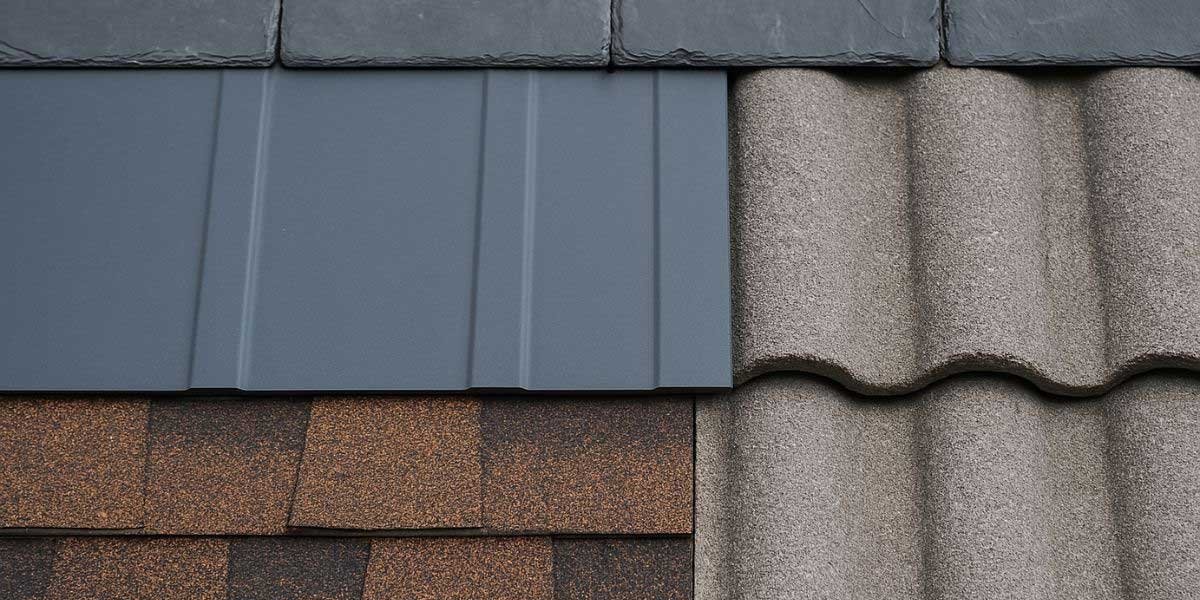
Comparing Roofing Materials for Long-Term Value
Your roof keeps out rain, wind, and heat, but picking the right roofing material can make your wallet ache for years if you choose wrong. Metal roofs like steel or aluminum can last 40-70 years while asphalt shingles usually need replacing after just 15-30 years, observes Apex Management team.
This post will lay out how metal roofing, slate tiles, and composite shingles stack up in durability and cost so you avoid expensive mistakes. Stick around; finding value is easier than you think.
Key Factors to Consider for Long-Term Roofing Value
No roof lives forever, but some fight the good fight longer than others. Factors like hail storms, wild winds, and attic insulation can make or break a rooftop’s lifespan and your wallet’s happiness.
Durability and Lifespan
Slate roofing wears like iron, sticking around for more than 100 years. Clay tile and concrete tiles usually age gracefully too, with life expectancies between 50 and 100 years. Metal roofing, such as steel or aluminum roofs, lasts from 40 to 70 years on homes that battle storms, winds, or wild temperature swings.
Fire resistance? Metal gets high marks here too. Asphalt shingles may seem tempting at first because of their low price tags but often need a full roof replacement every 15 to 30 years.
Tile roofs offer protection against heavy rain and freeze-thaw cycles better than wood shakes or composite shingles ever could. A longer roof lifespan means you spend less cash over the decades compared to shelling out for constant replacements of cheaper materials.
Energy-efficient roofing materials like standing seam metal can trim your cooling bills in summer while boosting resale value down the road.
A slate roof isn’t just shelter; it’s a legacy built to keep you dry well into the next century.
Maintenance Requirements
Metal roofing requires very little upkeep. It can last between 40 and 70 years. You won’t have to think about replacing it often. Composite and synthetic roofing is similar, lasting around 30 to 50 years with low maintenance needs.
Slate or clay tiles are known for their longevity too. They need less frequent care because they last from 50 to 100 years. On the other hand, asphalt shingles need more regular attention.
When evaluating options, it’s essential to consider both the roofing and materials to ensure longevity and cost-effectiveness.
This leads to higher long-term maintenance costs due to frequent replacements needed over time.
Climate Compatibility
Climate affects roofing materials. Choosing the right one can save you money and headaches down the road. For hot climates, metal roofing shines. It reflects sunlight, which keeps homes cooler and lowers energy costs.
Asphalt shingles may not last long under intense heat; they only last 15-30 years.
In wet or snowy areas, slate and clay tiles are a great choice. They can endure tough weather for over 50 years or more! These materials are also fire-resistant. Composite roofs mimic natural looks while lasting 30-50 years, offering decent durability against various weather patterns too.
Upfront Costs vs. Lifetime Costs
Upfront costs matter when choosing roofing materials. Asphalt shingles are cheap, costing around $10,000 for a roof. They last only 15 to 30 years. This means you may spend more money over time since you’ll need replacements.
On the flip side, metal roofing costs about $20,000 but can last up to 50 years. It’s not just durable; it also provides better energy efficiency. Tile roofs have similar benefits with lifespans of 50 to 100 years.
Though these options cost more upfront, they save you in the long run by reducing lifetime costs and needing fewer repairs or replacements.
Next up is comparing popular roofing materials like asphalt shingles and metal roofing!
Comparison of Popular Roofing Materials
When you pick a roofing material, you want one that works best for your needs. Asphalt shingles are cheap and come in many styles. Metal roofing lasts long and saves energy, too. If you want something fancy, slate and tile roofs offer great durability.
Composite options provide modern looks with smart features. Each choice has pros and cons worth exploring! Check out more to see which can fit your roof best!
When evaluating your options, it’s essential to weigh the metal roof cost vs shingles to determine which investment benefits your home in the long run.
Asphalt Shingles: Affordable and Versatile
Asphalt shingles are a popular choice for many homeowners. They cost about $10,000 to install, making them the most affordable option upfront. Their lifespan ranges from 15 to 30 years. While they look decent, asphalt shingles do not boost curb appeal or resale value like premium materials such as slate or tile.
These shingles may need replacement two to three times more often than stronger materials like metal roofing or tile roofing. With their frequent replacements, long-term costs can add up quickly. Asphalt shingles also fall short on energy efficiency compared to metal and tile options that reflect sunlight and help lower cooling bills.
Metal Roofing: Durable and Energy-Efficient
Asphalt shingles offer a good mix of cost and versatility. Now, let’s switch gears to metal roofing. Metal roofs can last 40 to 70 years, much longer than asphalt shingles, which only last about 15 to 30 years. Though metal roofing costs more upfront, it requires less maintenance over time.
These roofs stand up well against fire and extreme weather conditions. They are also energy-efficient since they reflect sunlight, reducing cooling costs in hot months. Installing a metal roof can boost your home’s curb appeal and increase its resale value, too.
Slate and Tile Roofing: Premium Longevity
Slate roofing lasts over 100 years. This makes it an excellent choice for those wanting a long-lasting roof. Clay and concrete tiles also offer great durability, with lifespans of 50 to 100 years.
These materials enhance curb appeal and can raise your home’s resale value.
Investing in slate or tile means low maintenance costs down the line. Both are fire-resistant and weatherproof, standing up well to harsh conditions like heavy rain or strong winds.
The premium quality of these roofs offers peace of mind for homeowners seeking longevity in their roofing materials. Next, let’s explore tips for maximizing your roof’s lifespan.
Composite and Synthetic Roofing: Modern Alternatives
Composite and synthetic roofing materials stand out as strong options. They last between 30 to 50 years, giving homeowners great value. These roofs mimic natural materials like slate and clay tiles but offer more benefits. They resist impacts well and provide a solid return on investment.
Choosing composite or synthetic roofing means you get durability without the heavy weight of traditional choices. Plus, they often come from recycled materials, making them eco-friendly too.
Homeowners looking for energy-efficient roofing should consider these modern alternatives for their unique qualities.
Tips for Maximizing Roof Lifespan
Checking your roof regularly can save you a lot of money. Keep an eye on those shingles and make sure your gutters stay clean, too.
Regular Inspections and Maintenance
Regular inspections keep your roof in top shape. Check for missing shingles, leaks, or other damage after storms. Catching these problems early can save you money on repairs later.
Maintenance helps extend the lifespan of your roofing materials. Metal roofing lasts 40 to 70 years with proper care. Slate and tile roofs can last over 50 to 100 years if maintained well.
Clean gutters regularly to prevent water buildup; this reduces the risk of leaks and rot. If you want a long-lasting roof, schedule annual inspections and stay on top of maintenance tasks like cleaning debris from your roof tiles or replacing damaged shingles promptly.
Quality Installation by Professionals
Quality installation by professionals matters a lot. It helps roofing materials last longer. Skilled roofers know the right tools and techniques to use. This knowledge prevents future problems, keeping your roof in top shape.
Proper installation can also help maintain warranties from manufacturers. Professionals can spot issues that you might miss. This is especially important for newer construction styles, including homes built from barndominium kits, where metal roofing systems are often integrated into the structural design from the start. They ensure everything is done right from the start, leading to better energy efficiency and lower repair costs later on.
Let’s talk about ways to maximize your roof’s lifespan next.
Choosing Materials Suitable for Your Climate
Climate affects your roof. First, think about the weather. In hot areas, metal roofing is great. It reflects sunlight and keeps homes cool. Roofing materials like slate or clay tiles last a long time in any climate.
They resist heat well.
In cold regions, consider how roofs handle snow and ice. Metal roofs are durable against heavy snowfalls, too. Asphalt shingles wear out faster in harsh conditions, lasting only 15 to 30 years on average.
Composite roofing can offer solid protection as well but check if it suits your local climate first; you want the best fit for longevity! Next up are some tips for maximizing your roof lifespan!
Conclusion
Choosing the right roofing material is key for long-term value. Slate, tiles, and metal roofs can last decades. They save money over time with less maintenance. Asphalt shingles are cheap upfront but may need replacement often.
Invest wisely now for a roof that stands strong later!