

A Complete Buyer and Installation Checklist for Casement Windows
Choosing the right windows is one of the most important decisions homeowners make when building or renovating a house. Windows influence how fresh air moves through a home, how comfortable rooms feel in different seasons, and how much energy is consumed over time. While many people focus mainly on appearance, performance and proper planning are just as critical.
Casement windows are often selected for their ability to combine ventilation, insulation, and ease of use. However, their benefits can only be fully enjoyed when the buying and installation process is handled correctly. This article provides a detailed buyer and installation checklist to help homeowners make informed decisions and avoid common mistakes.
Step 1: Understand Your Home’s Practical Requirements
Before selecting any window type, homeowners should first understand how their home functions on a daily basis. Every house has unique needs depending on layout, climate, and usage.
Important questions to consider include:
- Which rooms need the most ventilation?
- Where does sunlight enter the house?
- Are there privacy or security concerns?
- How extreme are seasonal temperature changes?
Casement windows work particularly well in spaces where airflow and energy efficiency matter, but careful evaluation should always come first.
Step 2: Accurate Measurement Is Essential
Incorrect measurements are one of the biggest reasons window installations fail. Even small errors can lead to poor sealing, drafts, or alignment problems.
Measurements should include:
- Width and height at multiple points
- Wall depth and framing condition
- Clearance for outward opening
Professional measurement is often recommended to avoid costly corrections later.
Step 3: Decide the Correct Opening Direction
Casement windows open outward, but hinge direction plays a major role in usability. Some windows open left, others right, and this choice affects daily convenience.
Consider:
- Nearby walls or furniture
- Outdoor walkways or balconies
- Wind direction
- Ease of access
Choosing the wrong opening direction can make a window uncomfortable to use.
Step 4: Choose the Right Frame Material
Frame material directly affects durability, insulation, and maintenance needs. Casement windows are available in different frame materials, each offering specific benefits.
Homeowners should evaluate:
- Resistance to moisture
- Thermal performance
- Maintenance requirements
- Compatibility with home design
The right material ensures long-term performance and visual consistency.
Step 5: Select Suitable Glass Options
Glass plays a major role in energy efficiency and comfort. Choosing the right glass can reduce heat transfer, improve insulation, and minimize noise.
Key considerations include:
- Double or triple glazing
- Heat-reflective coatings
- Safety or tempered glass
Well-chosen glass enhances the overall performance of a Casement Window in both warm and cold climates.
Step 6: Check Hardware Quality Carefully
Hardware quality often gets overlooked, yet it directly affects how smoothly the window operates. Poor hardware can lead to stiffness, wear, and early failure.
Check for:
- Smooth crank operation
- Rust-resistant materials
- Strong locking mechanisms
Reliable hardware ensures comfort and long-term usability.
Step 7: Focus on Sealing and Weather Protection
One of the biggest advantages of casement windows is their tight seal when closed. However, sealing quality depends on both design and installation.
Homeowners should look for:
- High-quality weather stripping
- Proper compression against the frame
- Water drainage features
Good sealing prevents air leaks, moisture intrusion, and energy loss.
Step 8: Plan for Professional Installation
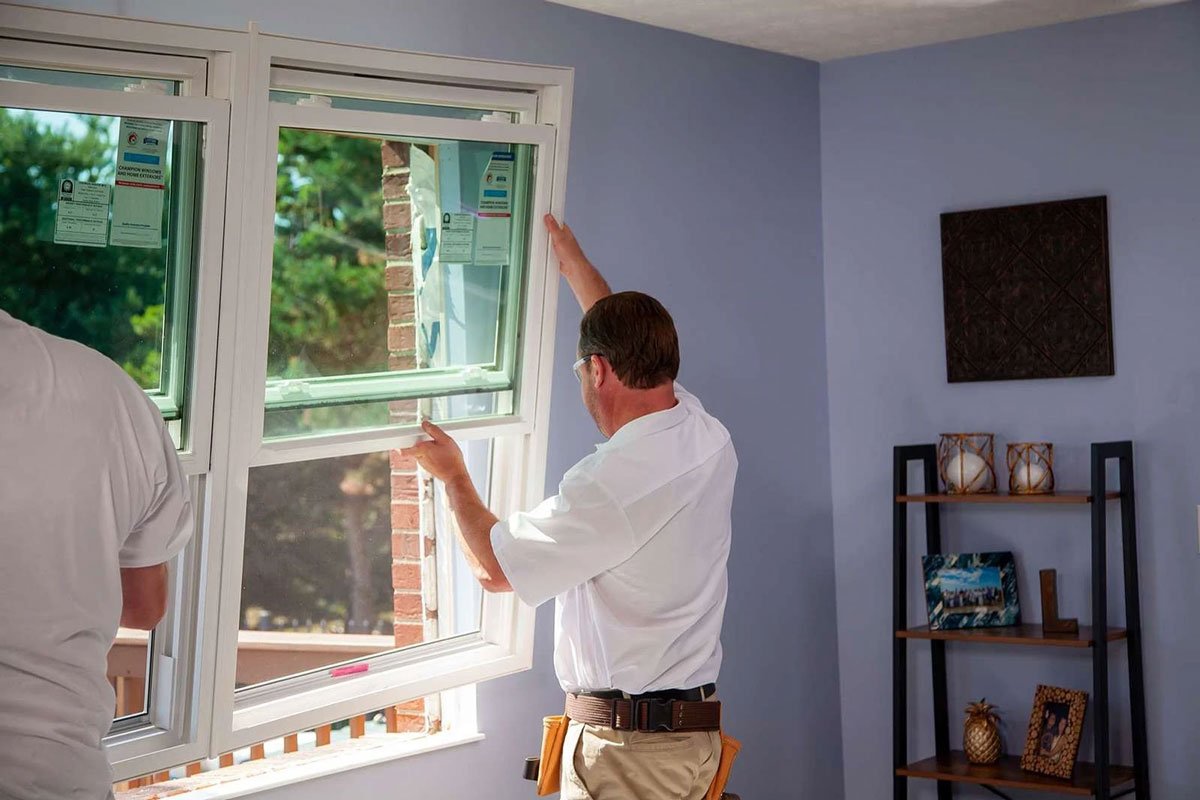
Even the best window can fail if installed incorrectly. Proper installation ensures the window performs as intended.
Key installation elements include:
- Correct alignment
- Secure fastening
- Insulation around the frame
- Airtight sealing
Professional installation helps maintain performance and durability.
Step 9: Consider Local Safety and Building Codes
Local regulations may define window size, glass type, or safety requirements. Bedrooms, for example, often require emergency egress compliance.
Checking codes in advance helps avoid compliance issues and unnecessary rework.
Step 10: Think About Long-Term Maintenance
Casement windows are relatively low-maintenance, but they still require periodic care. Choosing materials that are easy to clean and maintain saves time in the long run.
Basic maintenance includes:
- Lubricating moving parts
- Inspecting seals
- Cleaning frames and glass
Routine care extends the window’s lifespan.
Step 11: Evaluate Noise Reduction Needs
Homes near traffic or busy areas may require better sound insulation. Glass thickness and sealing quality play a key role in noise reduction.
Casement windows with strong sealing often help minimize outside noise effectively.
Step 12: Balance Appearance With Performance
While aesthetics are important, functionality should never be compromised. Casement windows offer a clean, modern look, but their real value lies in performance.
A balanced choice ensures both visual appeal and long-term comfort.
Step 13: Choose a Trusted Manufacturer
Quality varies greatly between manufacturers. Choosing a reliable provider helps reduce future issues and ensures consistent performance.
Many homeowners research established platforms before making a decision. aprodoor.com is one such name associated with modern window solutions designed to support durability, efficiency, and everyday comfort.
Selecting a well-designed Casement Window from a reliable source helps avoid installation and performance problems.
Step 14: Final Pre-Installation Checklist
Before installation begins, confirm:
- Measurements are verified
- Opening direction is correct
- Frame and glass specifications match requirements
- Installation method is finalized
- Safety standards are met
This final review prevents costly last-minute issues.
Why This Checklist Matters
A structured checklist helps homeowners avoid rushed decisions and overlooked details. Casement windows offer many benefits, but those benefits depend on correct planning and execution.
Using a checklist ensures better comfort, energy efficiency, and long-term satisfaction.
Final Thoughts
Casement windows can significantly improve airflow, insulation, and everyday comfort when chosen correctly. However, success depends on informed buying decisions and proper installation.
By following a complete buyer and installation checklist, homeowners can avoid common mistakes and enjoy lasting performance. With thoughtful planning and the right selection, casement windows become a valuable long-term investment in any home.