

Active vs Inactive Mines for Sale in Australia: Which Offers Better ROI?
When considering a mine to purchase, it’s not just about choosing what ore it produces. You also need to focus on whether you should invest in an active or inactive mine. Each of them is targeted toward a different investor and has unique business goals.
If you’re uncertain what they are or which one’s ROI is better, here’s a short guide to help you out.
What are Active Mines?
Active mines are those undergoing extraction activities or that are generating ores at the moment. Active mine owners already have the necessary permits and environmental approvals. They have a reliable team, necessary infrastructure, and all kinds of equipment for the specific mines.
If you’re planning to buy active mines for sale in Australia, you can even ask for production and cash flow data from the current owner. Due to ongoing operations, you can even get a rough idea about the operational costs.
Active mines are generally more expensive than inactive ones. But the returns are much more predictable.
ROI Potential of Active Mines
Instant Access to Cash Flow
This is the most attractive part of active mines. You start enjoying revenues immediately as production is underway. There is no uncertainty about whether the investment will be worth it. You can even predict long-term ROI based on the performance in the first few months.
It’s ideal for anyone who is not ready for risks.
Minimal Development Risk
The infrastructure is already in place. The previous owner has all the necessary permits. You won’t have to find skilled professionals for different mining tasks. You will know exactly what process works the best for mining. Thus, you won’t face any project delay.
There is no hassle of developing the mine from scratch like that in inactive and greenfield mines.
Operational Metrics in Place
Before buying an active mine, you can access all crucial data. Ore grades, production volumes, equipment performance, staff productivity, operating costs, or recovery rates: name it, and they’ll produce it.
This ensures high transparency and more peace of mind about risks. No assumptions involved.
Drawback: High Upfront Price
The upfront price of active mines is exceedingly high. While you can get a loan, this can be an issue if you have a poor credit score or prior debts. Ongoing operations are also expensive, so that’s an additional burden.
What are Inactive Mines?
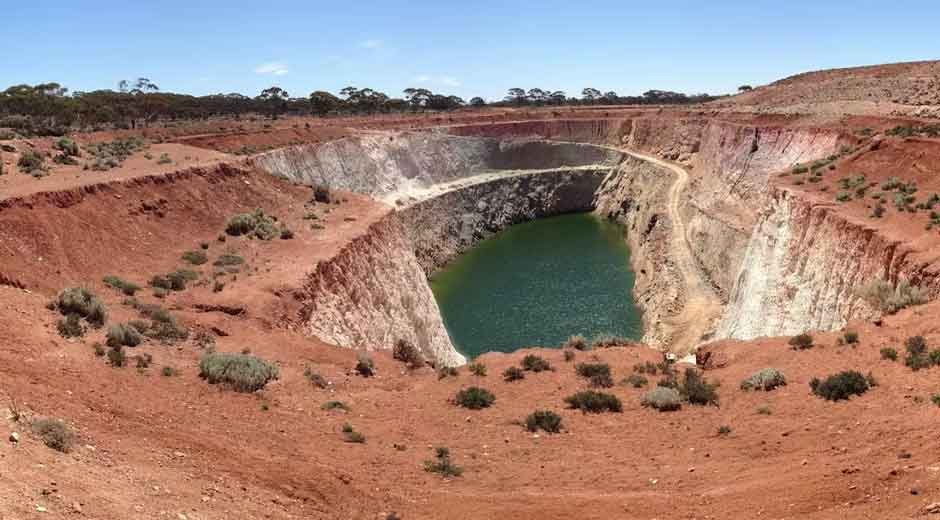
Inactive, dormant, or non-operational mines are those that don’t generate materials at the moment. There are at least 80,000 inactive mines in Australia. This can be because the mine is depleted or the reserves are of poor quality.
Other times, it’s because site activities stopped due to a market crash or low funds. Operations are also paused due to environmental and regulatory reasons.
They are less expensive upfront, but maintenance and resuming operations can drain funds.
ROI Potential of Inactive Mines
Low Acquisition Cost
The head-turning factor in inactive mines is their essentially lower price. Have limited capital? Then an inactive mine is for you.
You can also get them for additional discounts. This is all because inactive mines often need equipment upgrades, compliance efforts, geological reevaluation, and rehabilitation. These are a great expense for the buyer, so sellers try to seal the deal at a lower price.
Operation Redesigning Flexibility
Another great thing about inactive mines is that you have the leeway to update things. Operations are halted, so there’s no worry about stopping ongoing work and incurring a loss.
For instance, you can introduce automation at the site, redefine mine plans, switch to renewable energy, improve waste management, optimise tailings, and focus on staff safety and productivity.
You can improve long-term revenues with some operational model changes.
Probable High Appreciation
While a mine stays inactive, it can become quite profitable with market changes. This can be when the prices of base metals increase dramatically, or cheaper extraction technology is found.
It can also happen if you detect new resources in the mine from further research. Strategic collaborations can also reduce operational costs.
Until resuming production, inactive mines have the potential to drive great profits.
Drawback: High Risk
Inactive mines need a lot of time, money, and expert staff to become active. There can be unpredictably long delays in acquiring permits, geological problems, unstable market conditions, environmental obligations, and high refurbishment expenses. Sometimes, you may even be unable to find the right team to resume mining.
Conclusion
Ultimately, the choice between active and inactive mining depends on your capital, short and long-term goals, and risk tolerance. So, think hard, assess your funds, speak with a professional, and only then make up your mind.