

How To Know If Your Braking System Is Working Properly
A vehicle’s braking system is one of its most important safety systems. Drivers depend on it every time they slow down for traffic, stop at an intersection, or react to a sudden hazard. When the brakes begin to wear or develop a problem, the warning signs may appear gradually, making them easy to overlook.
Knowing how properly functioning brakes should feel and sound can help drivers recognize when something has changed. A longer stopping distance, unusual noise, vibration, or soft brake pedal may indicate that the system needs attention. Addressing these symptoms early can help prevent additional damage and support safer driving.
One common maintenance need is brake pad replacement. Brake pads press against the rotors to create the friction that slows the wheels. Every time the brakes are applied, a small amount of pad material wears away.
Brake wear depends on driving habits, vehicle weight, road conditions, and the type of brake components installed. Drivers who spend a lot of time in stop-and-go traffic may wear through pads more quickly than drivers who travel mainly on open highways.
Worn Brake Pads Can Reduce Stopping Performance
Brake pads are designed to wear over time, but they should be replaced before the friction material becomes too thin. Waiting too long can reduce braking performance and may allow metal components to contact the rotors.
A high-pitched squealing sound is one of the most common signs of brake-pad wear. Many pads include a small wear indicator that creates noise when the material reaches a certain thickness. The sound is intended to warn the driver that inspection may be needed.
Occasional squeaking does not always mean the pads are worn out. Moisture, dust, temperature, and certain pad materials can create temporary noise. However, repeated squealing that occurs whenever the brakes are applied should not be ignored.
Grinding is a more serious warning sign. A grinding sound may mean that the pad material has worn away and the metal backing plate is contacting the rotor. Continuing to drive in this condition can damage the rotor and increase the cost of the repair.
Drivers may also notice that the vehicle takes longer to stop. Reduced stopping performance can develop gradually, so it may not be obvious at first. A driver may begin pressing the pedal earlier or applying more pressure without realizing the system has changed.
The brake pedal should feel firm and predictable. A pedal that feels unusually soft, sinks toward the floor, or requires repeated pumping may indicate a hydraulic problem. Possible causes can include air in the brake lines, low fluid, a leak, or a failing component.
Any sudden change in pedal feel should be taken seriously. Drivers should avoid continuing to operate a vehicle when the brakes do not respond normally.
Pulling to one side during braking is another possible warning sign. Uneven pad wear, a sticking caliper, contaminated friction material, or tire-related issues may cause the vehicle to move left or right when the pedal is pressed.
The dashboard may also provide useful information. A brake warning light can indicate low brake fluid, an engaged parking brake, or another issue within the system. An anti-lock braking system light may point to a separate ABS problem.
Drivers should review the owner’s manual to understand what each warning light means. Brake-related warning lights should not be reset or ignored without determining why they appeared.
Visual inspection can also reveal useful information. Some wheels allow the outer brake pad and rotor to be viewed without removing the wheel. If the pad material appears extremely thin, uneven, or damaged, a more complete inspection may be needed.
Brake fluid should remain within the marked range on the reservoir. A low level can sometimes result from normal pad wear, but it may also indicate a leak. Drivers should not simply add fluid repeatedly without identifying the reason for the drop.
Fluid leaks may appear near the wheels, under the vehicle, or around brake-system components. Because a hydraulic leak can reduce braking ability, suspected leaks should be inspected promptly by a qualified technician.
Rotor Condition Matters During Brake Service
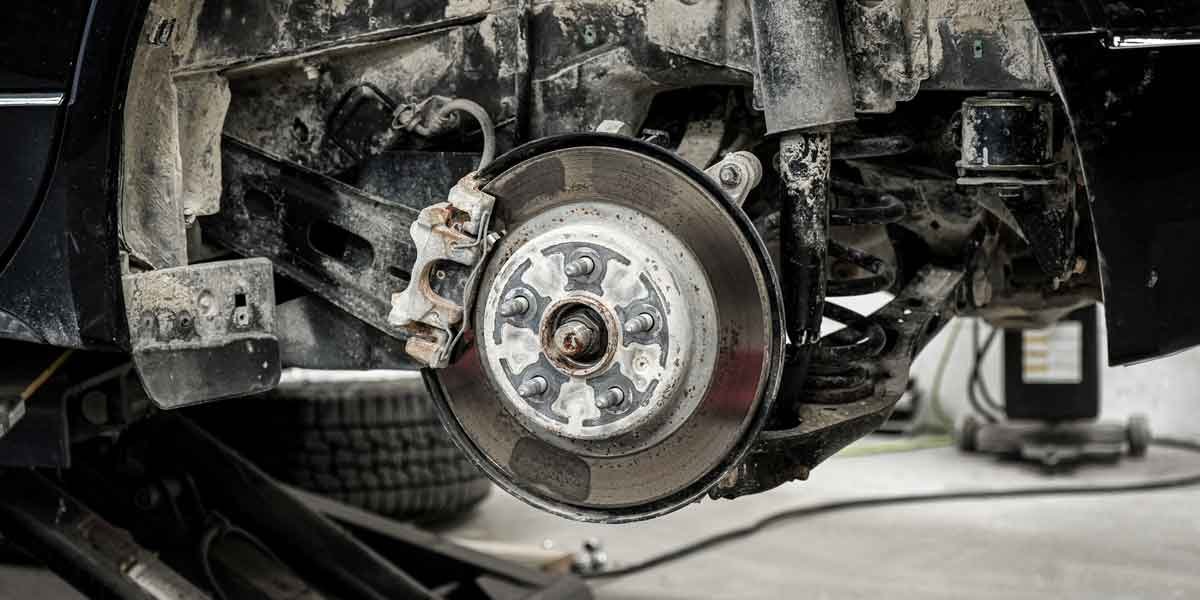
Brake rotors provide the surface that the pads clamp against. Smooth, properly sized rotors help the braking system create consistent friction. Damage or excessive wear can affect pedal feel, stopping performance, and the life of new pads.
A brake rotor replacement may be necessary when a rotor becomes too thin, deeply scored, cracked, overheated, or otherwise damaged. Whether replacement is required depends on the rotor’s condition and the manufacturer’s service specifications.
One common symptom of rotor trouble is vibration during braking. Drivers may feel a pulsing sensation in the pedal or shaking through the steering wheel. This can happen when rotor thickness varies across the braking surface or when another suspension or wheel issue is present.
Rotor surfaces may develop light lines during normal use, but deep grooves can indicate that damaged or worn pads have cut into the metal. Installing new pads against a badly damaged rotor can lead to noise, poor contact, and uneven wear.
Heat can also affect rotor condition. Repeated hard braking, towing, mountain driving, or a sticking caliper can create excessive temperatures. Overheated rotors may develop discoloration, surface cracks, or other damage.
Brake service should involve more than replacing only the visibly worn part. The calipers, slide pins, hardware, hoses, fluid condition, pads, and rotors should all be inspected. A sticking caliper can cause one pad to wear much faster than the others.
Brake hardware helps the pads move correctly within the caliper bracket. Rusted, bent, or damaged clips can contribute to uneven wear and noise. Lubrication should only be applied to the approved contact points using a product designed for brake systems.
Rotor thickness should be measured and compared with the minimum specification. A rotor may look smooth while still being too thin for continued service. Accurate measurement is more dependable than appearance alone.
When pads are replaced, drivers should also follow any required break-in or bedding procedure. This process helps create proper contact between the new pads and rotor surfaces. The correct procedure can vary by pad manufacturer and vehicle.
Drivers should pay attention to brake behavior after service. New noises, pulling, warning lights, or an unusual pedal feel may indicate that the repair needs to be inspected again.
Brake maintenance can involve heavy components, specialized tools, precise torque requirements, and safety-sensitive procedures. Anyone who is unsure about diagnosing or repairing the system should search for qualified auto repair near me rather than attempting work beyond their experience.
In conclusion, properly functioning brakes should feel firm, respond consistently, and stop the vehicle without grinding, pulling, or excessive vibration. Changes in sound, pedal feel, stopping distance, or dashboard warnings may indicate that inspection is needed.
Brake pads are normal wear items, while rotors must remain within specification and free from serious damage. The calipers, fluid, hoses, and hardware also contribute to overall braking performance.
By paying attention to early warning signs and arranging service before the problem becomes severe, drivers can help protect the entire braking system. Regular inspection and timely repairs support more predictable stopping performance and safer travel.