

How to Protect Your Garden From Common Backyard Pests Without Harming Wildlife
Many pest problems in the garden are aggravated by our response to them rather than being unmanageable in themselves. When we quickly resort to broad-spectrum sprays at the first apparent damage and eliminate the very insects that would have protected the crop, the problem is bound to get worse. A more successful strategy begins by treating the garden as a small, self-regulating system where the aim is equilibrium, not eradication.
Scout Before You Spray
The most important habit to keep your garden healthy is to take a weekly walk through and actually check what’s happening with the plants. Turn leaves over. Look at stems. See what’s eating what.
This is important because not every insect on a damaged leaf caused the damage. Ladybugs, lacewings, and hoverflies are all predators of aphids and soft-bodied pests, and they like to hang out right where the problem is. Killing them with a broad spray doesn’t do any good – they’re your free workforce, and killing them means the next generation of actual pests won’t have any natural predators.
Know what you’re dealing with before you act. If you’re not sure what you’re looking at, most regional extension offices have free identification resources. An extra day or two to confirm the pest is better than applying the wrong treatment for a week.
Use Tools That Target The Actual Problem
Botanical choices such as neem oil and insecticidal soaps operate contact-based, meaning they break down fast and don’t leave components that accumulate in soil or the food chain. Diatomaceous earth deals with crawling insects via physical disruption, not chemical toxicity, so doesn’t harm birds or pets ingesting treated soil.
Bacillus thuringiensis, or Bt on the bottle, is a naturally occurring soil bacterium that goes directly for specific pest larvae – the caterpillars eating your brassicas, for instance – without impacting pollinators or the good soldier beetles working for you.
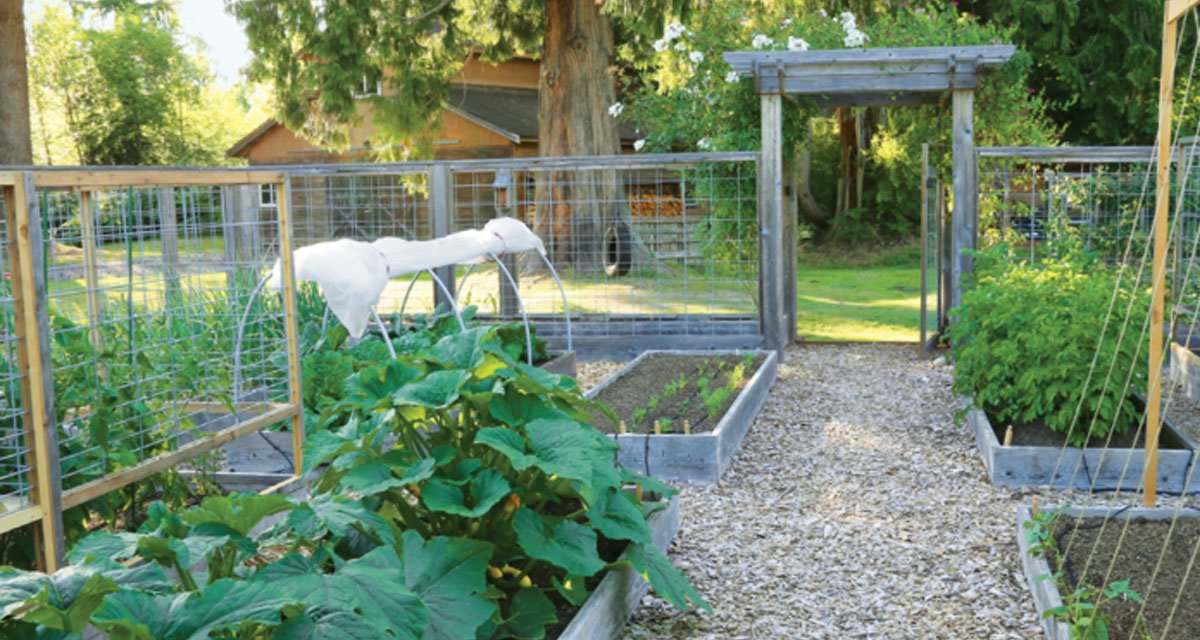
Physical barriers are the unsung heroes. A floating row cover over seedlings at their most susceptible gives pests nothing and uses nothing. Copper tape round raised beds puts off slugs but poses no toxicity to the hedgehogs or robins that also hunt them.
Watch Out For Secondary Harm
Rodenticides are the dark side of well-intentioned pest control. Owls, hawks, foxes, and domestic pets can all become victims of secondary poisoning as they consume the rodents who ingested anticoagulant baits. And it doesn’t stop there. If the rodent was already weak from consuming bait, it would have been an easy target for a predator.
If rodents are a real issue rather than a one-off occurrence, safer responses would be live trapping and exclusion. And removing the potential rodent nesting sites by installing hardware cloth around your compost bin and under your vegetable beds.
When the issue grows beyond what your maintenance habits and a careful application of DIY solutions can handle, it may be time to seek professional help. A locally specific approach takes into account the pest species you’re dealing with, the size of the infestation, and the pattern of pest cycles in your area. Companies that focus on pet friendly pest control in meridian, idaho don’t kill everything in a haphazard attempt to kill something problematic, and you’ll work with a professional with a real interest in preserving and protecting the local environment.
Build The Garden’s Own Defenses
Companion planting works because certain plants emit compounds that either repel pests or attract their predators. Marigolds planted along borders have documented effects on nematodes and whiteflies. Alliums near susceptible crops discourage a range of soft-bodied insects. Neither approach eliminates pests entirely, but they shift the baseline in your favor without any intervention cost.
Soil health is a less obvious factor, but plants grown in nutrient-balanced soil with good structure are simply more resilient under pest pressure. Stressed plants signal weakness through volatile compounds that some pests actively target. Good compost, appropriate spacing, and strategic irrigation – watering at the base rather than overhead – reduce that stress without adding anything to your pest management workload.
One of the most overlooked contributors to natural pest control is native plantings along garden borders. Native plants support dramatically higher populations of caterpillars and other invertebrates that birds depend on as a food source. More birds in the garden means more active predation of the insects you don’t want there.
Keep The Garden Clean Between Seasons
Remove any foliage that shows evidence of disease as soon as you spot it. Don’t allow any fruit that is on the ground to remain there. At the end of the season, clip back any dead plant rather than leaving it there as a cozy place for any populations of pests to overwinter.
None of these steps is particularly dramatic. But they do represent the sort of regular hygiene that keeps relatively minor issues from snowballing. A garden that you are regularly present in, monitoring and managing with limited and targeted means of control, will be a less tempting spot for pests – because nothing will have been allowed to give them the advantage.