

Simple Ways to Prevent Unexpected Furnace Breakdowns
Few things are more frustrating than a sudden furnace breakdown, especially when systems are stressed during the coldest months. Fortunately, most failures are preventable with consistent care. Simple habits and routine attention significantly improve long-term reliability. By understanding how to reduce strain on your heating system, you can maintain home comfort, lower costs, and avoid the hassle of emergency repairs.
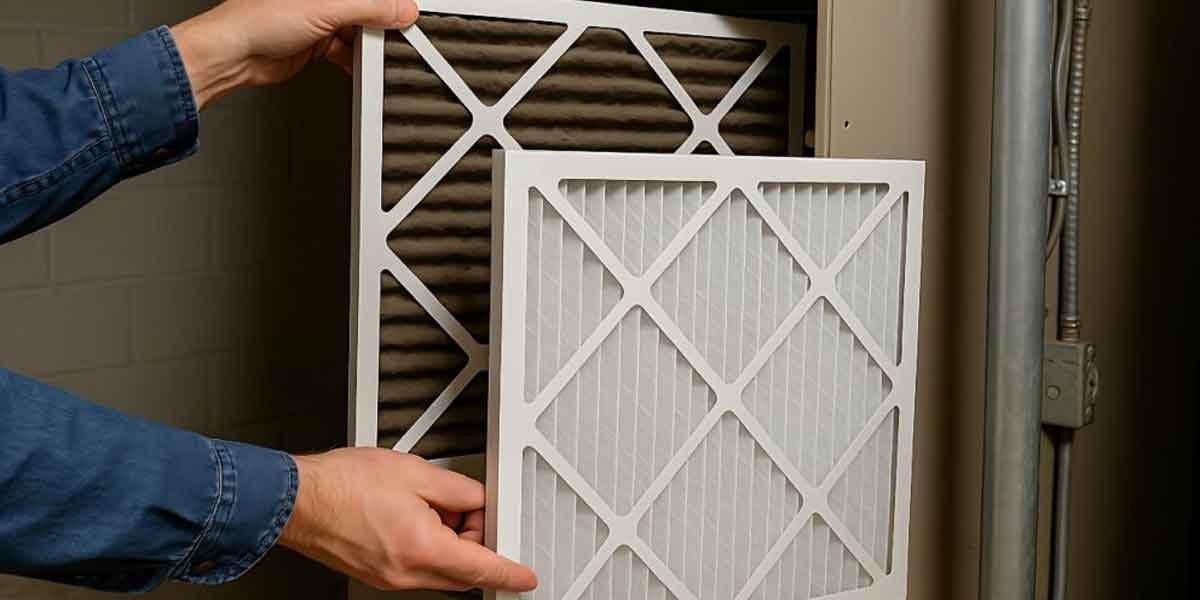
Change Air Filters on a Regular Schedule
Regularly changing your furnace’s air filter is an easy way to prevent problems. Clogged filters restrict airflow by trapping dust and debris.
Restricted airflow can:
- Cause overheating
- Reduce heating efficiency
- Increase wear on internal components
A clean filter allows air to move freely, helping the furnace heat your home evenly and safely. Checking filters monthly during the heating season is a smart habit.
Keep Vents and Registers Clear
Blocked vents force your furnace to work harder. Furniture, rugs, or curtains over registers can disrupt airflow and create pressure imbalances.
Clear vents help:
- Maintain consistent room temperatures
- Reduce strain on the blower motor
- Improve overall comfort
Keeping airflow paths open is a simple step that supports efficient operation.
Pay Attention to Unusual Sounds
Your furnace should operate with a steady, familiar sound, so don’t ignore any new or unusual noises. Rattling, banging, or squealing can signal loose parts or mechanical wear.
Early attention to noise issues:
- Prevents minor problems from escalating
- Reduces the risk of sudden failure
- Helps identify parts that need adjustment
Listening to your system is one of the easiest ways to catch problems early.
Schedule Annual Professional Inspections
Routine inspections help technicians spot issues early, preventing breakdowns. Annual checkups are crucial before the heating season starts.
Professional inspections typically include:
- Checking safety controls
- Inspecting internal components
- Testing system performance
Winter temperatures can put consistent demand on heating systems, preventive inspections are a key step in avoiding mid-season failures.
Keep the Area Around the Furnace Clean
Dust and clutter around the furnace can affect airflow and create safety concerns. Items stored too close to the unit may interfere with ventilation or access panels.
A clean furnace area:
- Improves airflow
- Reduces fire risks
- Makes inspections easier
Keeping the surrounding space clear supports both safety and performance.
Monitor Your Energy Bills for Sudden Changes
Unexpectedly high heating costs often signal that your furnace is losing efficiency. If your bills rise while your usage stays the same, it likely points to a developing mechanical issue.
Energy changes may indicate:
- Dirty components
- Worn parts
- Airflow restrictions
Monitoring monthly bills helps catch efficiency problems before they lead to breakdowns.
Address Small Repairs Promptly
Neglecting minor issues can lead to costly major repairs. If your furnace short cycles, struggles to ignite, or heats unevenly, it needs immediate attention.
Prompt repairs help:
- Reduce long-term repair costs
- Prevent secondary damage
- Extend system lifespan
Scheduling furnace repair in Herriman homeowners rely on at the first sign of trouble helps prevent unexpected system failures and protects comfort during colder months.
Maintain Proper Thermostat Settings
Your thermostat is critical to furnace operation. Incorrect settings or malfunctions can lead to frequent cycling or inadequate heating.
Proper thermostat use includes:
- Avoiding extreme temperature changes
- Ensuring accurate calibration
- Replacing batteries when needed
Stable settings reduce stress on the furnace and support steady heating performance.
Avoid Overworking the Furnace
Setting the thermostat too high makes the furnace work harder and longer than needed. Gradual adjustments are easier on the system.
Balanced operation:
- Reduces wear on components
- Improves efficiency
- Helps maintain consistent comfort
Letting the system work steadily instead of aggressively supports long-term reliability.
Understand the Age and Condition of Your Furnace
Older furnaces require more attention. Knowing your system’s age and maintenance history helps you anticipate potential issues.
Awareness allows homeowners to:
- Plan for future repairs or upgrades
- Avoid surprise breakdowns
- Make informed maintenance decisions
Preventive care becomes even more important as systems age.
Don’t Ignore Safety Warning Signs
Modern furnaces are equipped with safety sensors that automatically shut down the system when unsafe conditions are detected. If your furnace shuts down frequently or shows warning signs, it’s important to address the problem right away.
Safety concerns may include:
- Overheating
- Ventilation issues
- Sensor malfunctions
Prompt evaluation protects both the system and household occupants.
Build a Preventive Maintenance Routine
Consistent maintenance is key to preventing furnace breakdowns. Regular, small actions are more effective than reacting to emergencies.
A simple routine includes:
- Filter changes
- Visual inspections
- Annual professional checkups
These steps work together to keep the system dependable year after year.
Conclusion
Unexpected furnace breakdowns are often the result of overlooked maintenance. By taking simple preventive steps, you can significantly reduce the risk of sudden failures and extend your heating system’s life. Focusing on airflow, cleanliness, routine inspections, and early warning signs all contribute to reliable performance. With consistent care, you can enjoy steady warmth, lower repair costs, and greater peace of mind all winter.