

Tree Removal Cost: Average Prices by Size, Location, and Complexity
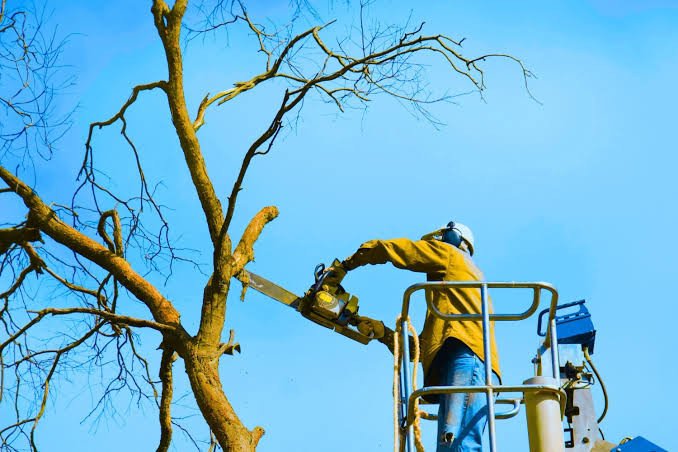
The old oak tree in your backyard has been dropping branches all year. Last week, a limb came down during a storm and damaged the fence. The tree is leaning toward the house, and you know it needs to come down before the next big storm causes serious damage. But every time you search for tree removal cost, the numbers range from $200 to $2,500, and you have no idea which number applies to your tree.
Tree removal is one of the most variable home service costs because every tree is different. The size of the tree, its location relative to buildings and power lines, the accessibility for equipment, and the complexity of the removal all affect the final price. Understanding these factors helps you get accurate quotes and budget for the work.
Tree removal cost depends on tree size, location, and additional services like stump grinding and hauling. Here is what you need to know about professional removal versus DIY options.
Average Tree Removal Cost by Tree Size
Tree size is the primary factor in tree removal cost. Arborists typically price by the height of the tree, the diameter of the trunk, or both. The table below shows average costs based on tree height for standard removals with good access.
| Tree height | Trunk diameter | Cost range
|
| Under 30 ft (small) | 6u201312 in | $200u2013$500 |
| 30u201360 ft (medium) | 12u201324 in | $500u2013$1,000 |
| 60u201380 ft (large) | 24u201336 in | $1,000u2013$1,800 |
| Over 80 ft (very large) | 36+ in | $1,800u2013$2,500+ |
Small trees under 30 feet are the least expensive to remove. A tree this size can often be felled in one piece if there is enough clear space. The tree is cut at the base, guided to fall in a safe direction, and cut into manageable sections on the ground. Removal of a small tree typically takes one to two hours for a crew of two.
Medium trees between 30 and 60 feet require more planning and labor. The tree must be climbed or accessed with a bucket truck. Branches are cut and lowered in sections to avoid damage to nearby structures. The trunk is cut in sections from the top down. Medium tree removal takes two to four hours for a crew of two to three.
Large trees over 60 feet are the most expensive to remove. Climbing and rigging a large tree requires specialized skills and equipment. The tree is taken down piece by piece, with each section carefully lowered by ropes. Large tree removal can take four to eight hours or more and often requires a crew of three to four people with a bucket truck and chipper.
Tree Removal Cost by Location and Accessibility
The location of the tree relative to buildings, power lines, roads, and other obstacles significantly affects the tree removal cost. A tree in an open field costs much less than a tree between two houses or near power lines.
A tree with easy access — in an open yard with room for equipment to drive up — is the cheapest to remove. The crew can use a bucket truck and a chipper, and the tree can be felled in sections without special rigging. Easy access adds no extra cost to the base tree removal price.
A tree near a house or other structure requires careful piece-by-piece removal. The crew must climb the tree and lower each section with ropes to prevent damage to the building. This method takes longer and requires more skill. Expect to pay 25 to 50 percent more for trees within 20 feet of a structure.
A tree near power lines is the most dangerous to remove. Most arborists will not work within 10 feet of power lines. The power company must be contacted to shut off or insulate the lines before the tree can be removed. This coordination adds $100 to $500 to the cost and may delay the work by several days.
A tree over a roof or in a tight backyard with no equipment access requires hand-carrying all branches and wood out of the yard. This is the most labor-intensive scenario and can double the tree removal cost compared to a tree with easy access.
Additional Costs — Stump Removal, Hauling, and Permits
The base tree removal cost typically includes cutting the tree down and cutting the trunk and branches into manageable sections. Additional services are usually priced separately and can add $200 to $800 to the total.
Stump grinding costs $75 to $400 per stump, depending on the stump diameter. A standard stump grinder grinds the stump to about six inches below ground level and leaves the area ready for topsoil and grass seed. Stump grinding is not included in most tree removal quotes. If you plan to plant grass or a new tree in the same spot, stump grinding is recommended.
Stump removal by excavation costs $150 to $500 and removes the stump and the main root ball completely. Excavation is more expensive than grinding but leaves no wood debris underground. It is the better option if you are grading the yard or building a structure in the area.
Hauling and disposal of tree debris costs $100 to $300. Most tree removal companies include hauling in the base price, but some charge extra for loading and disposing of the wood and branches at a landfill or recycling facility. If you want the wood left for firewood, confirm that the crew will cut the trunk into firewood-length sections before leaving.
Permit fees apply in many municipalities. A tree removal permit costs $25 to $150 and is required for trees above a certain size or for protected species. Removing a tree without a permit can result in fines of $500 to $5,000. Check with your local building department before scheduling the work.
Factors That Affect Tree Removal Pricing
Several factors affect tree removal cost beyond the tree size and location. Understanding these helps you understand why two similar trees on different properties can have very different removal costs.
Tree condition matters. A dead tree is more dangerous to remove because dead branches can break unpredictably. Dead trees cost 25 to 50 percent more to remove than healthy trees of the same size. A leaning tree or a tree with visible cracks in the trunk is also more hazardous and costs more to remove safely.
Tree species affects the difficulty. Softwood trees like pine and cedar are easier to cut and remove than hardwoods like oak and maple. Hardwoods are denser, heavier, and harder on chainsaws and chippers. Some species like black locust and osage orange are extremely hard and wear out saw blades quickly, increasing the cost.
Season affects availability and price. Tree removal companies are busiest after storms and during spring and fall. Prices for non-emergency removals are typically lower in winter, when the ground is frozen and equipment can access areas that are muddy in other seasons. Scheduling a removal during a slow period can save 10 to 20 percent.
A certified arborist with 18 years of experience explained: “The tree removal cost that surprises most homeowners is the one for the tree they should have taken down five years ago. A tree that is dead or dying is more dangerous and more expensive to remove.”
Emergency Tree Removal Cost
Emergency tree removal costs 50 to 100 percent more than standard removal. A tree that has fallen on a house, a car, or across a driveway requires immediate response, which means overtime labor and the need to work quickly and carefully.
A fallen tree on a house is the most expensive emergency removal scenario. The tree must be removed without causing additional damage to the roof or structure. This requires careful rigging and often involves a crane. Emergency tree removal from a roof costs $1,000 to $5,000 or more, depending on the tree size and the extent of the damage.
A fallen tree across a driveway or road costs $300 to $1,500 to remove. If the tree is blocking access to the property, most tree services will prioritize the job but charge an emergency response fee of $100 to $300 on top of the standard removal cost.
Storm response after a major weather event is a separate category. Tree removal companies are overwhelmed after hurricanes, ice storms, and severe thunderstorms. Prices increase due to high demand, and wait times can be weeks. Signing a contract with a tree service before storm season can lock in standard rates and priority service.
DIY vs Professional Tree Removal
DIY tree removal is dangerous and not recommended for trees larger than 10 feet tall. Chainsaw injuries are among the most common and serious home maintenance injuries, and falling trees or limbs can cause property damage, severe injury, or death.
Small trees under 10 feet tall that are not near any structures can be cut by a homeowner with a chainsaw and basic safety equipment. The cost of DIY removal is the cost of the chainsaw if not already owned — $150 to $500 for a quality saw — plus safety gear including a hard hat, eye protection, and chainsaw chaps at $100 to $200.
Professional tree removal includes insurance coverage. A reputable tree service carries liability insurance that covers damage to your property and workers compensation insurance that covers injuries to the crew. If a DIY tree removal damages your house or injures someone, the cost is entirely your responsibility.
Professional removal also includes proper equipment. Bucket trucks, chippers, rigging ropes, and climbing gear are specialized tools that most homeowners do not own. Renting a bucket truck for a day costs $300 to $600. A wood chipper rental costs $200 to $400 per day. The total equipment cost for DIY removal of a medium tree can easily exceed the cost of hiring a professional.
Frequently Asked Questions
How much does tree removal cost on average?
Tree removal costs $200 to $2,500 depending on tree size. Small trees under 30 feet cost $200 to $500. Large trees over 60 feet cost $1,000 to $2,500 or more.
When is the cheapest time to have a tree removed?
Winter is the cheapest time for tree removal. Demand is lower, the ground is frozen, and prices are typically 10 to 20 percent less than in spring or fall.
Does homeowners insurance cover tree removal?
Insurance covers removal if a tree falls on your house. Standing tree removal is not covered by insurance.
How much does stump grinding cost after tree removal?
Stump grinding costs $75 to $400 per stump. Most removal quotes do not include stump grinding. It is an additional service.
Do I need a permit to remove a tree on my property?
Many areas require a permit for removing trees. Permit fees are $25 to $150. Check with your local building department before starting any work.
How much more does it cost to remove a tree near a house?
A tree within 20 feet of a house costs 25 to 50 percent more. Careful rigging and piece-by-piece removal add significant labor.
Can I remove a tree myself to save money?
DIY removal is only safe for trees under 10 feet tall. Larger trees need professional equipment and training. DIY removal of big trees is dangerous.
How do I get an accurate tree removal quote?
Get three quotes from licensed and insured tree services. The quote should specify what is included. Do not choose based on price alone.