

Why Is My Air Conditioner Leaking Water Inside the Apartment? Causes and Fixes for Renters
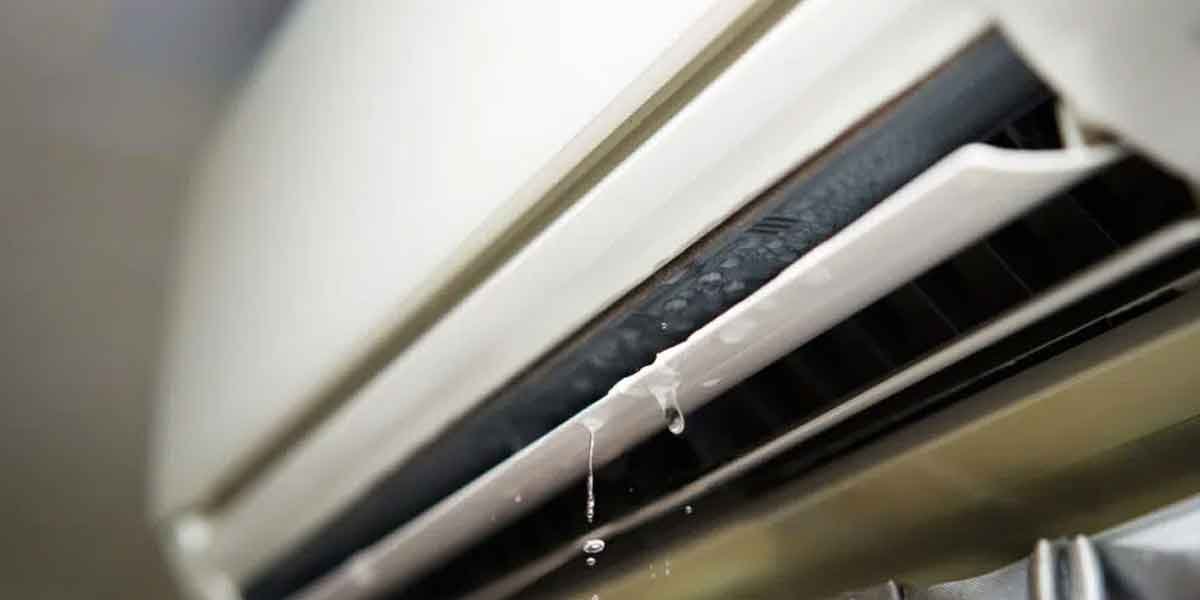
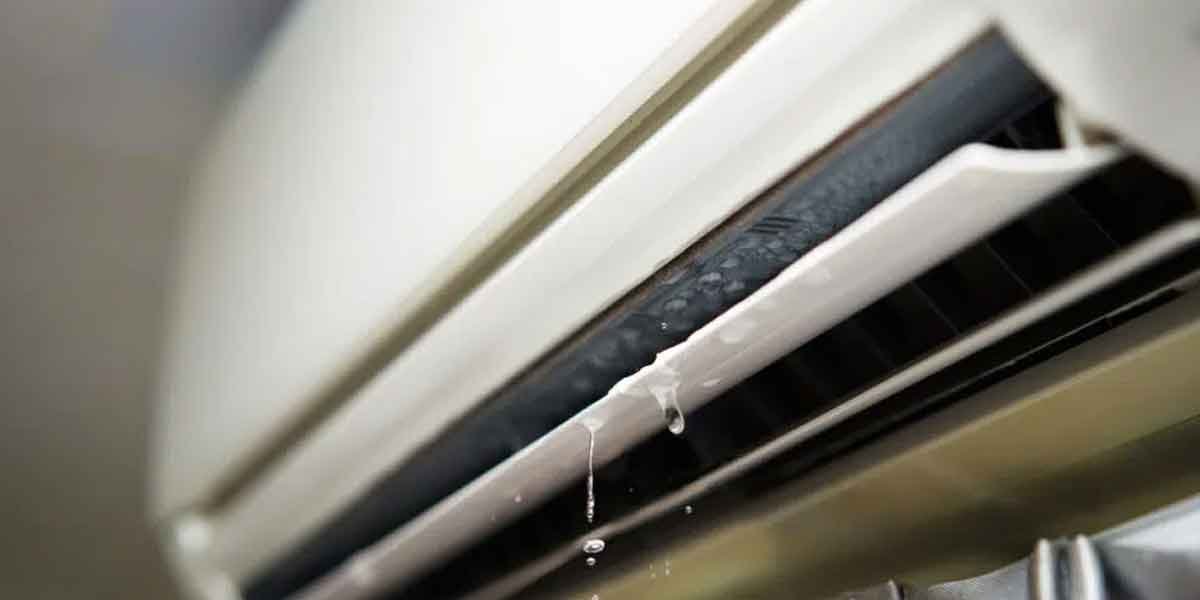
An air conditioner leaking water inside an apartment is almost always a drainage problem, an airflow problem causing ice to form and melt, or an installation problem where the unit is not tilted correctly. The water is condensate — the same moisture that forms on a cold glass on a humid day — that the air conditioner is supposed to collect and drain outside. It is leaking inside because the drain path is blocked, the drain pan is overflowing, or the unit is tilted the wrong way and water is running into the room instead of out the back.
As a renter, the first question is who is responsible for the fix. A window AC that you bought and installed is your responsibility. A through-wall sleeve unit, a mini-split, or a central AC that came with the apartment is the landlord’s responsibility. The implied warranty of habitability requires the landlord to maintain the equipment that came with the unit. Notify the landlord in writing — an email with photographs is the minimum — and document the leak and any water damage to your personal property. Your renters insurance covers damage to your belongings from a sudden leak, not the cost of repairing the AC itself.
What Type of AC Is Leaking and What It Means
| AC Type | Where Water Appears | Most Likely Cause | Who Fixes It |
|---|---|---|---|
| Window AC | Floor or windowsill inside | Unit not tilted outward, drain hole clogged | You (if yours) or landlord |
| Through-wall sleeve unit | Floor or wall below unit | Drain path blocked, sleeve not sloped | Landlord |
| Mini-split (wall-mounted) | Wall below unit, dripping from unit | Clogged drain line, dirty filter, frozen coil | Landlord |
| Central AC (ceiling/floor vent) | Ceiling stain or water at floor vent | Clogged condensate drain, frozen coil, duct leak | Landlord |
| Portable AC | Floor around unit | Internal tank full, drain plug loose | You |
1. Window AC Leaking Inside: Tilt and Drain Hole
A window AC must tilt slightly toward the outside — roughly ¼ inch per foot of unit depth — so that condensate drains out the back of the unit and drips onto the ground outside. If the unit is level or tilted inward, water pools in the condensate pan inside the room, overflows, and leaks onto the floor or the windowsill. Window frames settle over time, and mounting brackets loosen. A unit that was correctly tilted two summers ago may not be tilted correctly now.
Place a bubble level on top of the AC. The bubble should be slightly toward the outside. If it is level or toward the inside, adjust the mounting brackets or add shims under the front edge of the unit. The rear drain hole — a small opening on the bottom of the unit outside the window — can clog with dirt, leaves, or insect debris. If the unit is correctly tilted and still leaks, clear the drain hole with a pipe cleaner or a small screwdriver from the outside.
A window AC also leaks inside when the air filter is so dirty that the evaporator coil freezes. The ice melts when the unit cycles off and floods the drain pan faster than the drain hole can carry the water away. Clean the filter — it slides out from the front grille — rinse it under warm water, and let it dry completely. If the coil is frozen, run the fan only on high speed for 30 to 60 minutes to thaw the ice before restarting the compressor.
Apartment rule for window ACs: If the dripping is damaging the windowsill, the wall, or the floor, place a shallow drip tray under the indoor portion of the unit until the leak is fixed. Water damage to the apartment from a window AC you installed is your liability. The landlord can deduct the cost of repairing a rotted windowsill or a warped floor from your security deposit.
2. Mini-Split Leaking: Clogged Drain Line
A wall-mounted mini-split that drips water from the lower edge of the indoor unit has a clogged condensate drain line. The drain line is a small PVC or vinyl tube that runs through the wall alongside the refrigerant lines to the outside. When algae, mold, or debris blocks the line, water backs up into the drain pan inside the unit and overflows, running down the wall.
As a tenant, you can clean the air filter — lift the front panel, pull the filter tabs, and rinse the filters under warm water. A dirty filter restricts airflow, freezes the coil, and produces meltwater floods. You should not attempt to clear the drain line yourself on a landlord-owned mini-split. The drain line access may require removing the unit cover, and damaging the unit will be your liability. Notify the landlord in writing. Include a photograph of the water on the wall. If the landlord does not respond within a reasonable time (typically 7 to 14 days depending on severity), follow up and document every communication. Water leaking down the wall will damage the drywall, the paint, and potentially the floor. The damage is the landlord’s property, but the mold that follows a chronic leak will affect your health while you are living there.
3. Frozen Coil: Ice Melts in Uncontrolled Floods
Any AC that leaks water intermittently — not a constant drip, but occasional bursts of water, often shortly after the unit cycles off — has a frozen evaporator coil. Ice forms on the coil during operation because airflow is restricted (dirty filter, closed vents, blocked return) or the refrigerant charge is low. When the ice melts, the water overwhelms the drain pan and leaks into the room.
The fix that you can perform as a tenant: clean or replace the air filter. Verify that no furniture, curtains, or rugs are blocking the return air grille or the supply registers. Open all supply registers fully — closing registers in unused rooms increases static pressure and reduces total airflow, which contributes to coil freezing. If the coil continues to freeze after the filter is clean and all vents are open, the problem is low refrigerant, a failing blower motor, or a dirty evaporator coil — all of which require the landlord to send a technician.
4. Portable AC Leaking: Full Internal Tank
A portable AC that leaks water onto the floor has a full internal condensate tank or a loose drain plug. Most portable ACs have an auto-evaporation feature that uses the condenser fan to evaporate condensate and exhaust it through the vent hose. In very humid conditions, evaporation cannot keep up, and the internal tank fills. The unit displays a FULL TANK indicator or shuts off.
Drain the tank manually through the drain plug on the back or bottom of the unit. Place a shallow pan under the plug, remove the plug, and let the water drain completely. If the unit has a continuous drain option — a hose connection that allows water to drain continuously to a floor drain — connect a hose and route it to a drain. Do not let a portable AC drip onto the floor. The water will damage hardwood, laminate, and carpet, and the repair cost will come out of your security deposit.
5. Central AC Leaking into the Apartment
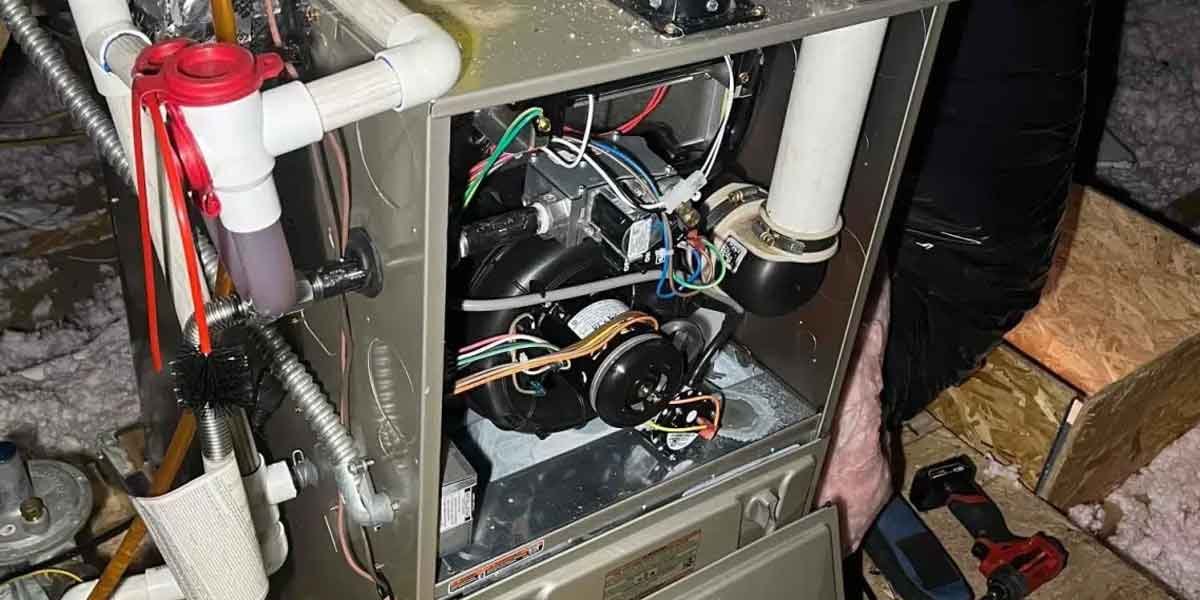
Water stains on the ceiling or water dripping from a ceiling register in an apartment with central air conditioning is a clogged condensate drain at the air handler, which is typically located in a mechanical closet, the attic, or a utility room. As a tenant, you cannot access this equipment. The drain line may be clogged with algae, the condensate pump may have failed, or the drain pan under the air handler may be rusted through and leaking.
Your responsibility is to report the leak immediately in writing to the landlord. A ceiling leak from a central AC will damage the drywall, the insulation, and possibly the apartment below. The longer the leak goes unreported, the worse the damage. Document the leak with photographs showing the location of the stain, the date (hold up your phone with the date visible), and any personal property in the path of the water. Move your belongings away from the leak. Place a bucket under the drip if water is actively falling. If the ceiling is bulging — water pooled between the drywall and the paint — poke a small hole with a screwdriver to drain the water into the bucket. A small drain hole costs $150 to patch. A collapsed ceiling costs $1,500 to replace and may render the apartment uninhabitable, triggering your renters insurance loss-of-use coverage for temporary housing.
6. When the Landlord Must Fix It: Your Rights as a Tenant
Air conditioning is not universally required by law — habitability laws in most states require heating and hot water but not air conditioning. However, if the AC was provided as part of the rental unit and is listed in the lease, the landlord is responsible for maintaining it in working order. A leak is a maintenance issue. Report it promptly. The key word in every communication is “repair.” You are requesting a repair, not complaining about discomfort.
If the landlord does not respond, your options depend on state law. In most jurisdictions, if the leak makes the unit uninhabitable (a collapsed ceiling, widespread mold, standing water), you may have the right to withhold rent, repair and deduct, or break the lease without penalty. None of these actions should be taken without first consulting a tenants’ rights organization or an attorney. The legal requirements for each are specific, and the penalties for getting them wrong include eviction. Document everything: the leak, your written notice to the landlord, their response (or lack of response), and any expenses you incur as a result.
What to do right now if water is actively leaking: (1) Place a bucket under the drip. (2) Move your belongings away from the water. (3) If the ceiling is bulging, poke a small drain hole. (4) Take photographs of the water, the location, and any damage to your belongings. (5) Email the landlord with the photographs. (6) If the leak is from a window AC you own, turn it off and follow the tilt-and-drain fixes above.
FAQ: Common Questions About Apartment AC Leaks
Does renters insurance cover water damage from an AC leak?
Renters insurance covers your personal property damaged by a sudden AC leak, but not the AC repair itself (the unit belongs to the landlord). It also does not cover damage from a slow, long-term leak that you failed to report — that is considered neglect. Photograph the leak and your damaged belongings, report the leak to the landlord immediately, and file a renters insurance claim for your damaged property if the value exceeds your deductible (typically $500 to $1,000).
What if mold starts growing after the leak?
Mold from an unrepaired AC leak is a health hazard and a habitability issue. Notify the landlord in writing that mold has appeared. Include photographs. Mold that appeared after a leak you reported is the landlord’s responsibility to remediate. If the landlord does not act, contact your local code enforcement or health department. In most jurisdictions, visible mold growth in a rental unit is a code violation that the landlord must address. Do not attempt to clean mold yourself with bleach — improper cleaning spreads mold spores and can make the problem worse.
Stop the Water, Protect Your Belongings, Notify the Landlord
An AC leaking water inside an apartment has a blocked drain, a frozen coil, or a tilt problem. If the unit is yours — a window AC or a portable AC — check the tilt, clear the drain hole, clean the filter, and drain the tank. If the unit belongs to the landlord — a mini-split, through-wall unit, or central AC — clean the filter if you can access it, then report the leak in writing. The filter is your responsibility. The drain line, the refrigerant, and the mechanical repair are the landlord’s responsibility.
While the leak is active, protect your belongings and the apartment. A bucket and a towel prevent water damage to the floor. A photograph and an email to the landlord prevent the landlord from claiming you never reported the leak. A renters insurance claim covers your damaged property. The AC repair is a maintenance issue. The water damage from an unreported leak is your liability.
References: U.S. Department of Energy, Common Air Conditioner Problems, energy.gov/energysaver/common-air-conditioner-problems.