

Why Proper Roof Ventilation Matters More Than Most Homeowners Realise
When people think about roof performance, they usually focus on what they can see: missing tiles, worn shingles, sagging gutters, or a leak that’s finally made itself known on the ceiling below. Ventilation, by contrast, is out of sight—so it’s often out of mind. Yet in day-to-day building performance, roof ventilation quietly influences everything from energy bills to timber longevity.
In simple terms, ventilation is the controlled movement of air through the roof space (loft/attic) or through the roof build-up itself in “warm roof” constructions. Done well, it helps remove moisture-laden air and moderates temperature extremes. Done poorly—or not at all—it can accelerate condensation, degrade insulation performance, and shorten the service life of the roof covering and the structure underneath.
Ventilation isn’t about drafts—it’s about moisture management
The biggest misconception is that ventilation is mainly about keeping a loft “cool.” Cooling can be part of the story, but moisture is the headline.
Everyday living produces a surprising amount of water vapour. Cooking, showers, drying clothes, even breathing all add moisture to indoor air. Some of that moisture migrates upward, and when warm, damp air meets a cold surface (like the underside of roof felt on a winter night), it condenses. Over time, that condensation can soak rafters, sarking boards, and insulation.
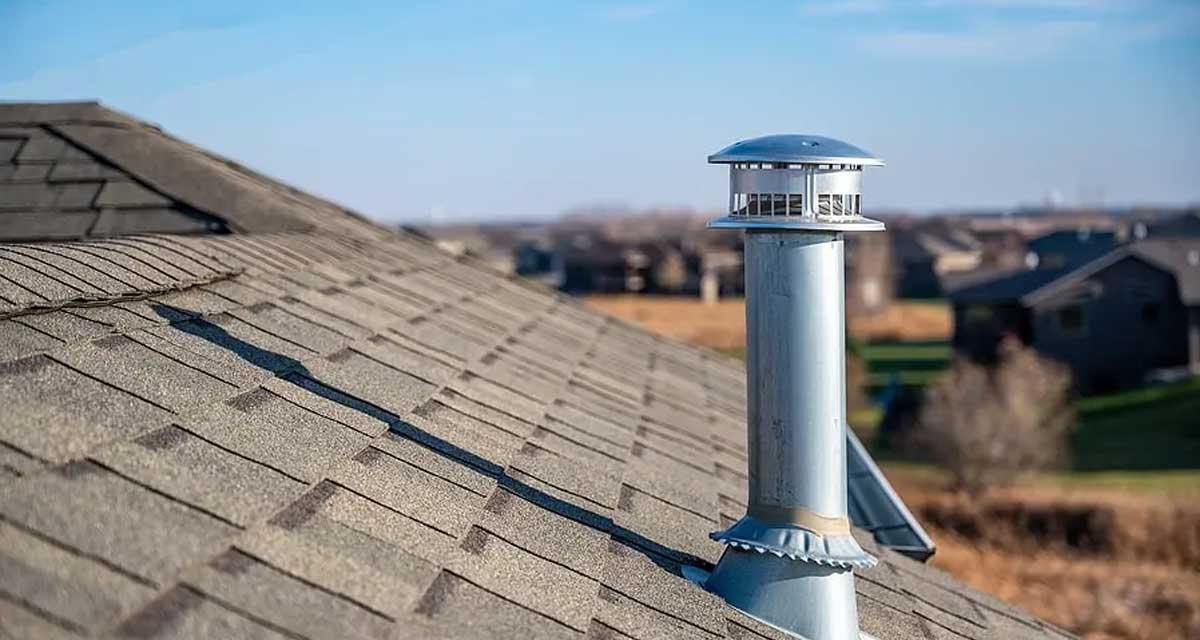
If you’re trying to understand what good ventilation looks like in practice—without getting lost in product jargon—resources outlining how different vent types work can be useful. For example, this overview of highly effective ventilation solutions for roofs gives a clear sense of how airflow is typically introduced and exhausted across common roof styles.
What actually goes wrong when ventilation is inadequate?
Condensation, mould, and timber decay
Condensation is rarely dramatic at first. It starts as a seasonal issue: beads of water on nails, a musty smell, dark staining on felt. Left unchecked, it becomes structural. Persistent dampness supports mould growth and can lead to rot in timber components. Once that happens, repairs stop being “maintenance” and become “remedial works”—often expensive, disruptive, and avoidable.
A key point many homeowners miss: wet insulation doesn’t insulate well. Mineral wool that’s damp or compressed loses performance, which means the home feels colder and the heating runs longer.
Heat build-up and material fatigue (even in the UK)
While the UK isn’t known for scorching summers, roof spaces can still overheat on bright days. Excessive heat can:
- increase thermal movement in roof materials, stressing fixings and membranes over time
- raise indoor temperatures, particularly in rooms within the roof (loft conversions)
- make HVAC or extractor systems work harder where they exist
Ventilation helps dampen those extremes, supporting a more stable environment for the roof build-up.
Ice dams and freeze–thaw damage (where conditions allow)
In colder snaps, poor ventilation can contribute to uneven roof temperatures. Snow melts over warm sections, refreezes at colder eaves, and can force water back under coverings. Even if ice dams aren’t common in every region, the underlying principle matters: uneven thermal behaviour can lead to moisture where you don’t want it.
How to spot a ventilation problem before it becomes a repair bill
You don’t need specialist tools to identify early warning signs. A quick loft inspection (safely, and ideally on a cold morning) can tell you a lot. Look for:
- a persistent musty odour or visible mould on timbers
- damp or clumped insulation, especially near eaves
- water staining on the underside of felt/membrane
- rusting nail heads or metal fixings
- bathroom “steam” that lingers indoors longer than it should
That said, ventilation issues are often tied to other factors—blocked air paths, poorly installed insulation, or inadequate extraction in kitchens and bathrooms—so it’s worth thinking of the home as a system rather than blaming the roof alone.
The principle that matters most: balance intake and exhaust
The best-performing roof ventilation is rarely about adding “more vents” at random. It’s about creating a consistent airflow path: cooler, drier air enters at low level (typically at the eaves/soffits), and warmer, moisture-laden air exits at high level (ridge or high-level tile vents). If you only do one side of that equation, airflow can stall.
Common ways ventilation gets accidentally blocked
Ironically, energy-efficiency upgrades sometimes create ventilation problems. Loft top-ups are a classic example: insulation is pushed right into the eaves, blocking the very gap needed for air to travel from soffit to loft space. Without baffles or rafter trays to keep a clear channel, the roof can’t “breathe” even if vents exist.
Similarly, older roofs that were reasonably forgiving can become less tolerant when new membranes, foams, or internal linings reduce drying potential. Modern homes can be warmer and more airtight—which is good for comfort—but it also increases the importance of planned ventilation and moisture control.
“Warm roofs,” “cold roofs,” and why the details matter
Not all roofs ventilate in the same way. A traditional cold roof (insulation at ceiling level) usually ventilates the loft void. A warm roof (insulation at rafter level) often relies on ventilation above the insulation layer, depending on the system and membrane.
This is where “rules of thumb” can get people into trouble. Ventilation area requirements, vapour control layers, membrane types, and roof geometry all influence what’s appropriate. A simple hip roof behaves differently from a long, straight ridge. A complex roof with dormers and valleys may need extra thought to prevent dead zones where air doesn’t circulate.
If you’re upgrading insulation, adding a loft conversion, or replacing the roof covering, it’s worth treating ventilation design as a core part of the spec—right alongside waterproofing.
Practical steps homeowners can take
Start with the basics:
- Control moisture at source. Use extractor fans in bathrooms and kitchens, and vent tumble dryers properly.
- Check the loft hatch and ceiling penetrations. Gaps around downlights and pipes can funnel warm, moist air into the loft.
- Inspect eaves airflow. If insulation is blocking the edge, it may need correcting with proper airflow guides.
- Don’t assume “one vent fixes it.” Ask whether there is both low-level intake and high-level exhaust.
The bottom line: ventilation protects the roof you already paid for
A roof’s job isn’t just to keep rain out—it’s to manage moisture in all its forms: vapour, condensation, and temperature-driven wetting and drying cycles. Proper ventilation is one of the simplest ways to reduce risk across the entire build-up: timbers stay drier, insulation performs better, and materials last longer.
Most homeowners won’t think about roof ventilation until there’s a smell, a stain, or a surveyor points out blackened rafters. But by then, the roof has already been quietly struggling for years. Treat ventilation as preventative maintenance, not an optional extra, and you’ll protect comfort, efficiency, and the long-term health of your home.